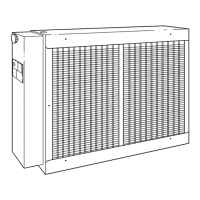
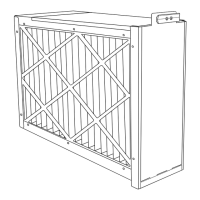
A. Cleaning the Cell
For optimum performance the electronic cells must be washed
regularly to remove the dirt cleaned from the air. The required
frequency of cell washing varies from one environment to another,
depending on a large number of variables. In nearly all cases, the
correct period is between 1 and 6 months. Where building
infiltration and internal generation of dust is low, as in a smaller
home, washing every 5 or 6 months may be adequate. Where there
is considerable infiltration, cooking, dust, and tobacco smoke,
more frequent washing will be required. If a heavy buildup of dirt
is found on the collector plates or the cell is not clean after
washing, it should be cleaned more often. If there is only light dirt
on collector plates, the period between washing can probably be
lengthened. The electronic plate cells may be washed a number of
different ways, depending on homeowner preference.
1. Automatic Dishwasher Washing—The easiest and most
convenient way to remove the accumulated dirt from the
plate-type electronic cells is to wash them in an automatic
dishwasher.
a. Place electronic cells on sides with ionizer section down
(airflow arrows pointing up) on lower rack of dish-
washer.
CAUTION: Use care to avoid damage to the collector
plates when placing the cells in the dishwasher.
NOTE: For some dishwashers with a center spray arm, it may be
necessary to remove the top basket to fit one or both cells inside.
b. Use detergent in accordance with dishwasher manufac-
turer’s instructions.
c. Allow dishwasher to run through its complete wash
cycle. You may also allow it to run through its complete
dry cycle, although this is not necessary.
CAUTION: The electronic cell will be very hot at the
end of the dishwasher’s cycle. Allow it to cool before
handling. Hot water may accumulate in the tubes sup-
porting the collector plates. Tip the cells to drain tubes.
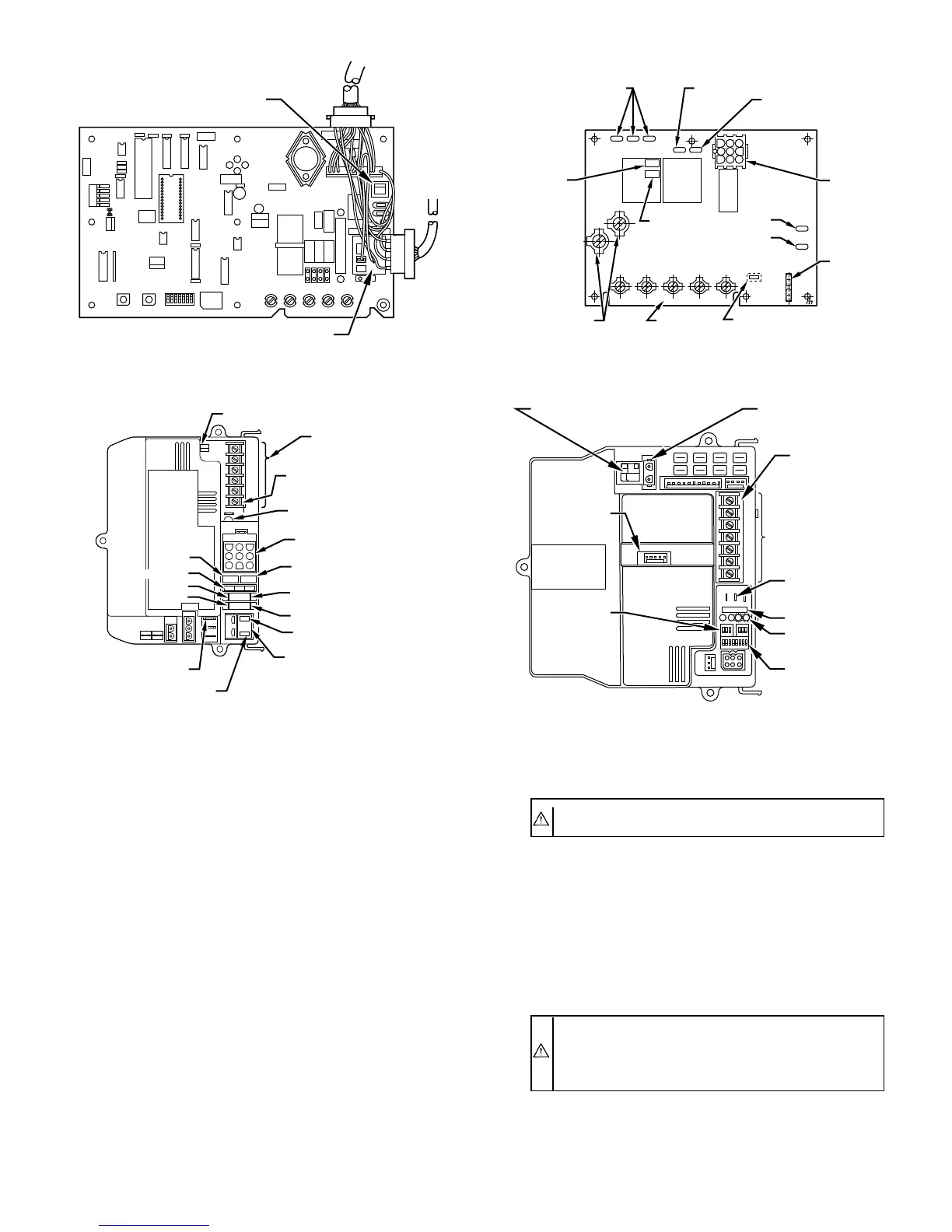
Fig. 19—EAC Connection to Multipoise Fixed
Capacity Furnace Control Board
A94081
HUM-HUMIDIFIER
TERMINAL
(24-VAC 0.5 AMP MAX)
LED OPERATION
& DIAGNOSTIC LIGHT
HARNESS
CONNECTOR
24V TRASFORMER
SEC-2
SPARE 1
SPARE 2
EAC 1 (BLACK)
EAC-ELECTRONIC AIR
CLEANER TERMINALS
(115-VAC 1 AMP MAX)
EAC 2 (WHITE)
115-VAC (L2) NEUTRAL
CONNECTION
24-VOLT
THERMOSTAT
TERMINALS
HEAT
COOL
BLOWER OFF-DELAY
ADJUSTMENT SWITCH
SEC-1
G
R
Y
W
Com
3-AMP FUSE
Fig. 17—EAC Connection to Electronic Condensing Upflow
Gas Furnace
A91490
ACCR
CIRCUIT
BREAKER
R Y W G C
Fig. 20—EAC Connection to Multipoise Variable Speed
Furnace Control Board
A94082
EAC-ELECTRONIC AIR CLEANER
TERMINALS (115-VAC
1 AMP MAX)
MAIN BLOWER
CONTROL WIRE
CONNECTOR
CONTINUOUS
FAN (CF) SETUP
SWITCHES
HOT SURFACE
IGNITOR CONNECTOR
HUM-HUMIDIFIER
TERMINAL (24-VAC
0.5 AMP MAX)
24-VOLT
THERMOSTAT
TERMINALS
TRANSFORMER
24-VOLT
CONNECTIONS
3-AMP FUSE
STATUS AND
DIAGNOSTIC
LED LIGHTS
SETUP SWITCHES
(SW) AND
BLOWER OFF DELAY
SETUP SWITCHES
Fig. 18—EAC Connection to Continuous Pilot Gas Furnace
A91226
MAX. 1.0 AMPS
115-VAC
SEC-2
SEC-1
GROUND
SCREW
REQUIRED
FU
3-AMP
FUSE
BLOWER
OFF-DELAY
24-VAC
COMMON
CES0110074-00
W Y R C G
EAC-2
EAC-1
COM PR-2 L2
CFR
HI
HFR
L1
PR-1
PL-1
1
2
3
4
5
6
7
8
9
1
3
IDR
24-VAC COMMON
BLOWER
OFF-TIME
ADJUSTMENT
24-VAC
THERMOSTAT
TERMINALS
COOLING
SPEED TAP
TERMINAL
HEATING
SPEED TAP
TERMINAL
115-VAC
NEUTRAL
TERMINALS
115-VAC
LINE
VOLTAGE
115-VAC
TRANSFORMER
9-PIN
CONNECTOR
ELECTRONIC
AIR-CLEANER
TERMINALS
24-VAC POWER
LO
24-VAC FUSE
3-AMP ONLY
UNCUT: 120 SEC
CUT: 180 SEC
—9—


 To Next Page
 Loading...