After the initial cleaning with a vacuum, compressed
air may be used to remove the remaining dust and
dirt. Compressed air that is used for cleaning should
be free of moisture and free of oil. Air pressure
should be a maximum of 210 kPa (30 psi) in order to
prevent mechanical damage to the insulation. If the
above cleaning procedures are not effective, consult
a Cat dealer.
Cleaning (Disassembled
Generators)
An initial insulation resistance check should be made
on the generator in order to confirm electrical
integrity. A minimum reading of 1 megohm would be
expected with severely contaminated generators. A
zero megohm reading may indicate an insulation
breakdown. An insulation breakdown requires more
than cleaning. An insulation breakdown requires
repair.
A high-pressure wash is normally an effective way to
clean windings. Windings that have been exposed to
flooding, or windings that have been contaminated by
salt can be high-pressure washed as well. A solution
of hot water and detergent is used for this method of
cleaning.
A high-pressure wash sprays a high velocity fluid
stream of this solution over the generator that is
being cleaned. This detergent washing is followed by
multiple sprays of clean water. The clean water is
used in order to remove the detergent or the clean
water is used in order to dilute the detergent.
Allow the generator to dry at room temperature.
Check the insulation resistance. The insulation
resistance should now be normal. If the insulation
resistance is not normal, repeat the procedure. Use
of solvents may be necessary if the generator is
contaminated with oil or if the generator is
contaminated with grease.
Note: For more information on drying methods, refer
to Special Instructions, SEHS9124, “Cleaning and
Drying of Electric Set Generators”.
i03569354
Generator Bearing
Temperature - Measure/Record
SMCS Code: 4471-082-TA
Bearing temperature detectors are optional on
generators. Bearing temperature detectors are used
with equipment that has been provided by the
customer in order to measure the bearing
temperature. Bearing temperature detectors may
help to prevent premature bearing failure.
A bearing temperature that is 50 °C (122 °F) above
the ambient temperature may require a change in
operation. The unit should be shut down in order to
prevent damage if the bearing temperature is 50 °C
(122 °F) above the ambient temperature.
i04066149
Generator Lead (Flat Braided
Cable) - Check
(If Equipped)
SMCS Code: 4450-535
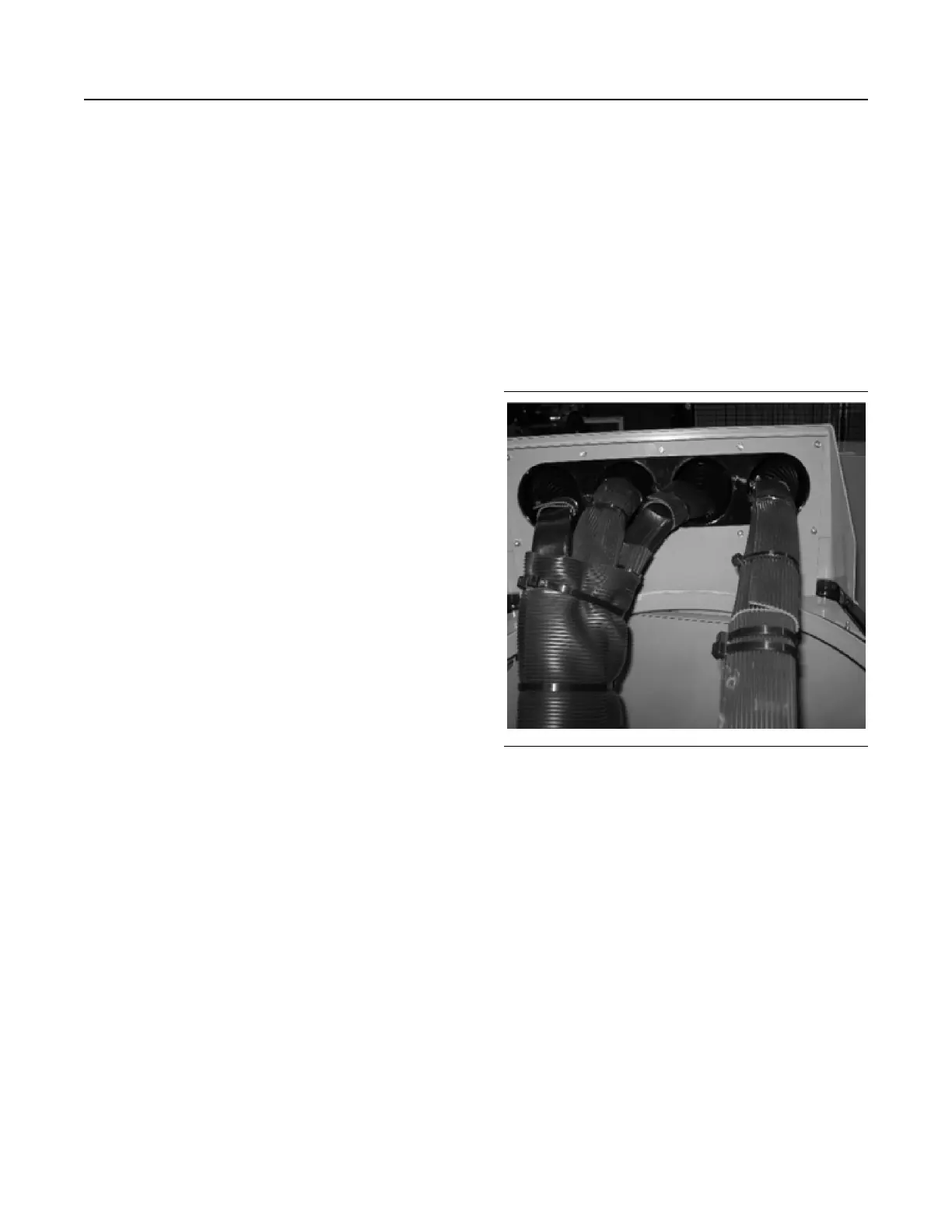
Illustration 115 g02146533
Typical flat braided conductor
The generator set may have braided square
conductors or multiple round cables between the
generator and the breaker.
Check braided conductors for signs of wear. Pay
particular attention to the conductor protective sleeve
insulation at the housing for the breaker and in the
generator terminal box. Replace the mat immediately
if the mat shows signs of wear at a point of contact.
Replace the cable immediately if the insulation shows
signs of wear at points of contact. If your generator
set does not have rubber mats in place, contact your
Cat dealer.
SEBU7125-13
135
Maintenance Section
Generator Bearing Temperature - Measure/Record



 To Next Page
 Loading...