EasyManua.ls Logo

Champion 201312 - User Manual

Champion 201312
35 pages
Print Icon
To Next Page IconTo Next Page
Loading...
OPERATOR'S MANUAL
MODEL #201312
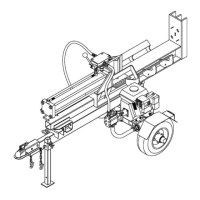
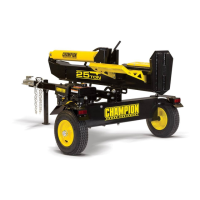
27-TON GAS POWERED LOG SPLITTER
Champion Power Equipment, Inc.
or visit championpowerequipment.com
READ AND SAVE THIS MANUAL. This manual contains important safety precautions which should be read and understood before operating the product. Failure to
do so could result in serious injury. This manual should remain with the product.
Specifications, descriptions and illustrations in this manual are as accurate as known at the time of publication, but are subject to change without notice.
REGISTER YOUR PRODUCT ONLINE
at championpowerequipment.com
SERIAL NO. LABEL
4126-M-OP REV 20230907
EN

Questions and Answers

Summary

Critical Safety Precautions for Log Splitter Use

Carbon Monoxide Poisoning Hazard

Warns about the lethal danger of carbon monoxide from engine exhaust and mandates outdoor operation.

Crush and Laceration Hazards

Details the danger of the wedge causing severe cuts, broken bones, or amputation.

Projectile Hazard from Splitting

Warns about ejected log pieces and the need for safety glasses.

High-Pressure Hydraulic Fluid Injection

Explains the severe risk of skin penetration by high-pressure hydraulic oil.

Additional Safety Warnings for Log Splitter

Hydraulic Leak Hazards

Advises keeping clear of potential high-pressure hydraulic oil leaks.

Safe Towing Practices and Regulations

Covers checking local regulations, vehicle manual, and safe towing speed limits.

Starter Cord Kickback Hazard

Warns about potential injury from rapid starter cord retraction and kickback.

Safe Handling of Gasoline and Fuel Vapors

Gasoline Flammability and Explosion Risks

Details the extreme flammability and explosive nature of gasoline and its vapors.

Safe Refueling Procedures

Provides guidelines for adding or removing gasoline, including no smoking and cooling periods.

Exhaust Stream Hazards with Fuel

Warns against placing fuel containers near the engine's exhaust stream.

Operator Training and Safety Requirements

Mandatory Manual Review

Emphasizes reading the entire manual before operating the log splitter.

Preventing Unauthorized Operation

Stipulates that only trained and instructed individuals may operate the machine.

Prohibiting Child and Untrained Operator Use

Forbids operation by children or untrained adults to prevent accidents.

Prohibited Use: Cargo and Riding

Forbids transporting cargo or riding on the log splitter.

Hydraulic Fluid Injection Hazard Details

Explains skin puncture risk from pressurized hydraulic fluid and proper leak detection.

Intended Use of Log Splitter

Clarifies that the log splitter is designed solely for splitting wood.

Pre-Operation Preparation and Safety Gear

Equipment Familiarization

Stresses the importance of knowing all controls and proper equipment usage.

Essential Safety Gear Requirements

Mandates safety shoes, safety glasses, and appropriate clothing.

Surface Leveling and Stability

Ensures the splitter is on a level surface with tires blocked and support leg secure.

Safe Log Splitter Operation Procedures

Pre-Operation Safety Review

Reiterates reviewing all safety instructions before starting the log splitter.

Hydraulic Hose Clamp Integrity

Ensures all hose clamp connections are tight before each use.

Prohibiting Unattended Operation

Forbids leaving the machine unattended while the engine is running.

Prohibiting Operation Under Impairment

Prohibits operating the machine while under the influence of alcohol, drugs, or medication.

Operator Training Mandate

Requires the owner to instruct all operators on safe log splitter operation.

Consistent Safety Equipment Use

Ensures all safety equipment is in place and controls are properly adjusted.

Keeping Clear of Moving Parts

Warns to keep hands and feet away from all moving parts.

Safe Log Loading Techniques

Provides guidance on safe log placement and avoiding pinch points.

Refueling Hot Engine Prohibition

Forbids adding fuel to a running or hot engine due to fire risk.

Engine Cool-Down for Refueling

Requires engine to cool for 2 minutes before removing the gasoline cap.

Routine Log Splitter Maintenance

Power Shutoff for Maintenance

Mandates shutting off the power source before any repairs or adjustments.

Fastener Tightness Inspection

Ensures all nuts and bolts are tight for safe working condition.

Understanding Product Safety and Data Labels

Importance of Reading Safety Labels

Stresses the importance of reading and understanding all safety and data labels.

Identification of Safety Symbols

Identifies and explains various safety symbols used on the product.

Detailed Explanation of Safety Symbols

Read Operators Manual Symbol

Symbol indicating the need to read and understand the operator's manual.

Eye and Ear Protection Requirement

Symbol showing the necessity of wearing eye and ear protection during operation.

Required Footwear Symbol

Symbol indicating the need to wear safety shoes or heavy boots.

Protective Gloves Symbol

Symbol indicating the requirement to wear protective gloves.

General Safety Alert Symbol

A general symbol alerting users to precautions involving their safety.

Risk of Fire Symbol

Warns about the extreme flammability of fuel and its vapors.

Skin Injection Hazard Symbol

Alerts to the danger of high-pressure hydraulic oil injecting under the skin.

Moving Parts Crush Hazard Symbol

Warns users to keep hands away from the wedge and ram due to crush risk.

More Safety Symbols Explained

Foot Safety Around Moving Parts

Warns to keep feet away from the wedge and ram to avoid crush or cut injuries.

Hot Surface Hazard Symbol

Indicates surfaces that are hot and should be avoided to prevent injury.

Open Flame Hazard Symbol

Alerts users to keep fuel away from ignition sources like open flames.

Pinch Point Hazard Symbol

Warns against placing body parts between logs and splitter components.

Toxic Fumes Hazard Symbol

Warns about toxic chemicals in engine exhaust linked to cancer and reproductive harm.

Risk of Asphyxiation Symbol

Highlights the danger of carbon monoxide gas from engine exhaust.

Prohibiting Operation on Inclines

Forbids operating the splitter on uneven or inclined surfaces.

Towing Speed Limit Symbol

Enforces the maximum towing speed limit of 45 MPH.

Quickstart Guide Symbols Explained

Engine Starting Procedure Overview

Outlines the steps for starting the log splitter engine.

Engine Stopping Procedure Overview

Details the steps for stopping the log splitter engine normally or in an emergency.

Log Splitter Assembly Instructions

Installing the Wheels

Detailed steps for mounting the wheels onto the axle, including nut tightening.

Log Splitter Assembly Steps

Completing Log Splitter Assembly

Adding Engine Oil and Fuel

Fueling and Hydraulic Oil Addition

Hydraulic System Preparation and Inspection

Pre-Use Inspection Checklist

Covers checks for hydraulic oil, hoses, engine, and tires before operation.

Beam Orientation and Towing Safety

Towing Log Splitter Safety Procedures

Essential safety guidelines for towing the log splitter, including regulations and speed limits.

Log Splitter Operation Guidelines

Engine Operation: Starting and Stopping

Log Splitting Operation and High Altitude Use

Log Splitting Operation Procedure

Step-by-step guide on how to operate the log splitter for splitting logs.

Log Splitter Maintenance Procedures

Engine and Hydraulic System Maintenance

Hydraulic System Maintenance and Schedule

Log Splitter Maintenance Schedule

Lists recommended maintenance tasks based on operating hours or time intervals.

Log Splitter Troubleshooting Guide

Summary

Critical Safety Precautions for Log Splitter Use

Carbon Monoxide Poisoning Hazard

Warns about the lethal danger of carbon monoxide from engine exhaust and mandates outdoor operation.

Crush and Laceration Hazards

Details the danger of the wedge causing severe cuts, broken bones, or amputation.

Projectile Hazard from Splitting

Warns about ejected log pieces and the need for safety glasses.

High-Pressure Hydraulic Fluid Injection

Explains the severe risk of skin penetration by high-pressure hydraulic oil.

Additional Safety Warnings for Log Splitter

Hydraulic Leak Hazards

Advises keeping clear of potential high-pressure hydraulic oil leaks.

Safe Towing Practices and Regulations

Covers checking local regulations, vehicle manual, and safe towing speed limits.

Starter Cord Kickback Hazard

Warns about potential injury from rapid starter cord retraction and kickback.

Safe Handling of Gasoline and Fuel Vapors

Gasoline Flammability and Explosion Risks

Details the extreme flammability and explosive nature of gasoline and its vapors.

Safe Refueling Procedures

Provides guidelines for adding or removing gasoline, including no smoking and cooling periods.

Exhaust Stream Hazards with Fuel

Warns against placing fuel containers near the engine's exhaust stream.

Operator Training and Safety Requirements

Mandatory Manual Review

Emphasizes reading the entire manual before operating the log splitter.

Preventing Unauthorized Operation

Stipulates that only trained and instructed individuals may operate the machine.

Prohibiting Child and Untrained Operator Use

Forbids operation by children or untrained adults to prevent accidents.

Prohibited Use: Cargo and Riding

Forbids transporting cargo or riding on the log splitter.

Hydraulic Fluid Injection Hazard Details

Explains skin puncture risk from pressurized hydraulic fluid and proper leak detection.

Intended Use of Log Splitter

Clarifies that the log splitter is designed solely for splitting wood.

Pre-Operation Preparation and Safety Gear

Equipment Familiarization

Stresses the importance of knowing all controls and proper equipment usage.

Essential Safety Gear Requirements

Mandates safety shoes, safety glasses, and appropriate clothing.

Surface Leveling and Stability

Ensures the splitter is on a level surface with tires blocked and support leg secure.

Safe Log Splitter Operation Procedures

Pre-Operation Safety Review

Reiterates reviewing all safety instructions before starting the log splitter.

Hydraulic Hose Clamp Integrity

Ensures all hose clamp connections are tight before each use.

Prohibiting Unattended Operation

Forbids leaving the machine unattended while the engine is running.

Prohibiting Operation Under Impairment

Prohibits operating the machine while under the influence of alcohol, drugs, or medication.

Operator Training Mandate

Requires the owner to instruct all operators on safe log splitter operation.

Consistent Safety Equipment Use

Ensures all safety equipment is in place and controls are properly adjusted.

Keeping Clear of Moving Parts

Warns to keep hands and feet away from all moving parts.

Safe Log Loading Techniques

Provides guidance on safe log placement and avoiding pinch points.

Refueling Hot Engine Prohibition

Forbids adding fuel to a running or hot engine due to fire risk.

Engine Cool-Down for Refueling

Requires engine to cool for 2 minutes before removing the gasoline cap.

Routine Log Splitter Maintenance

Power Shutoff for Maintenance

Mandates shutting off the power source before any repairs or adjustments.

Fastener Tightness Inspection

Ensures all nuts and bolts are tight for safe working condition.

Understanding Product Safety and Data Labels

Importance of Reading Safety Labels

Stresses the importance of reading and understanding all safety and data labels.

Identification of Safety Symbols

Identifies and explains various safety symbols used on the product.

Detailed Explanation of Safety Symbols

Read Operators Manual Symbol

Symbol indicating the need to read and understand the operator's manual.

Eye and Ear Protection Requirement

Symbol showing the necessity of wearing eye and ear protection during operation.

Required Footwear Symbol

Symbol indicating the need to wear safety shoes or heavy boots.

Protective Gloves Symbol

Symbol indicating the requirement to wear protective gloves.

General Safety Alert Symbol

A general symbol alerting users to precautions involving their safety.

Risk of Fire Symbol

Warns about the extreme flammability of fuel and its vapors.

Skin Injection Hazard Symbol

Alerts to the danger of high-pressure hydraulic oil injecting under the skin.

Moving Parts Crush Hazard Symbol

Warns users to keep hands away from the wedge and ram due to crush risk.

More Safety Symbols Explained

Foot Safety Around Moving Parts

Warns to keep feet away from the wedge and ram to avoid crush or cut injuries.

Hot Surface Hazard Symbol

Indicates surfaces that are hot and should be avoided to prevent injury.

Open Flame Hazard Symbol

Alerts users to keep fuel away from ignition sources like open flames.

Pinch Point Hazard Symbol

Warns against placing body parts between logs and splitter components.

Toxic Fumes Hazard Symbol

Warns about toxic chemicals in engine exhaust linked to cancer and reproductive harm.

Risk of Asphyxiation Symbol

Highlights the danger of carbon monoxide gas from engine exhaust.

Prohibiting Operation on Inclines

Forbids operating the splitter on uneven or inclined surfaces.

Towing Speed Limit Symbol

Enforces the maximum towing speed limit of 45 MPH.

Quickstart Guide Symbols Explained

Engine Starting Procedure Overview

Outlines the steps for starting the log splitter engine.

Engine Stopping Procedure Overview

Details the steps for stopping the log splitter engine normally or in an emergency.

Log Splitter Assembly Instructions

Installing the Wheels

Detailed steps for mounting the wheels onto the axle, including nut tightening.

Log Splitter Assembly Steps

Completing Log Splitter Assembly

Adding Engine Oil and Fuel

Fueling and Hydraulic Oil Addition

Hydraulic System Preparation and Inspection

Pre-Use Inspection Checklist

Covers checks for hydraulic oil, hoses, engine, and tires before operation.

Beam Orientation and Towing Safety

Towing Log Splitter Safety Procedures

Essential safety guidelines for towing the log splitter, including regulations and speed limits.

Log Splitter Operation Guidelines

Engine Operation: Starting and Stopping

Log Splitting Operation and High Altitude Use

Log Splitting Operation Procedure

Step-by-step guide on how to operate the log splitter for splitting logs.

Log Splitter Maintenance Procedures

Engine and Hydraulic System Maintenance

Hydraulic System Maintenance and Schedule

Log Splitter Maintenance Schedule

Lists recommended maintenance tasks based on operating hours or time intervals.

Log Splitter Troubleshooting Guide

Champion 201312 Specifications

General IconGeneral
BrandChampion
Model201312
CategoryLog Splitter
LanguageEnglish

Related product manuals