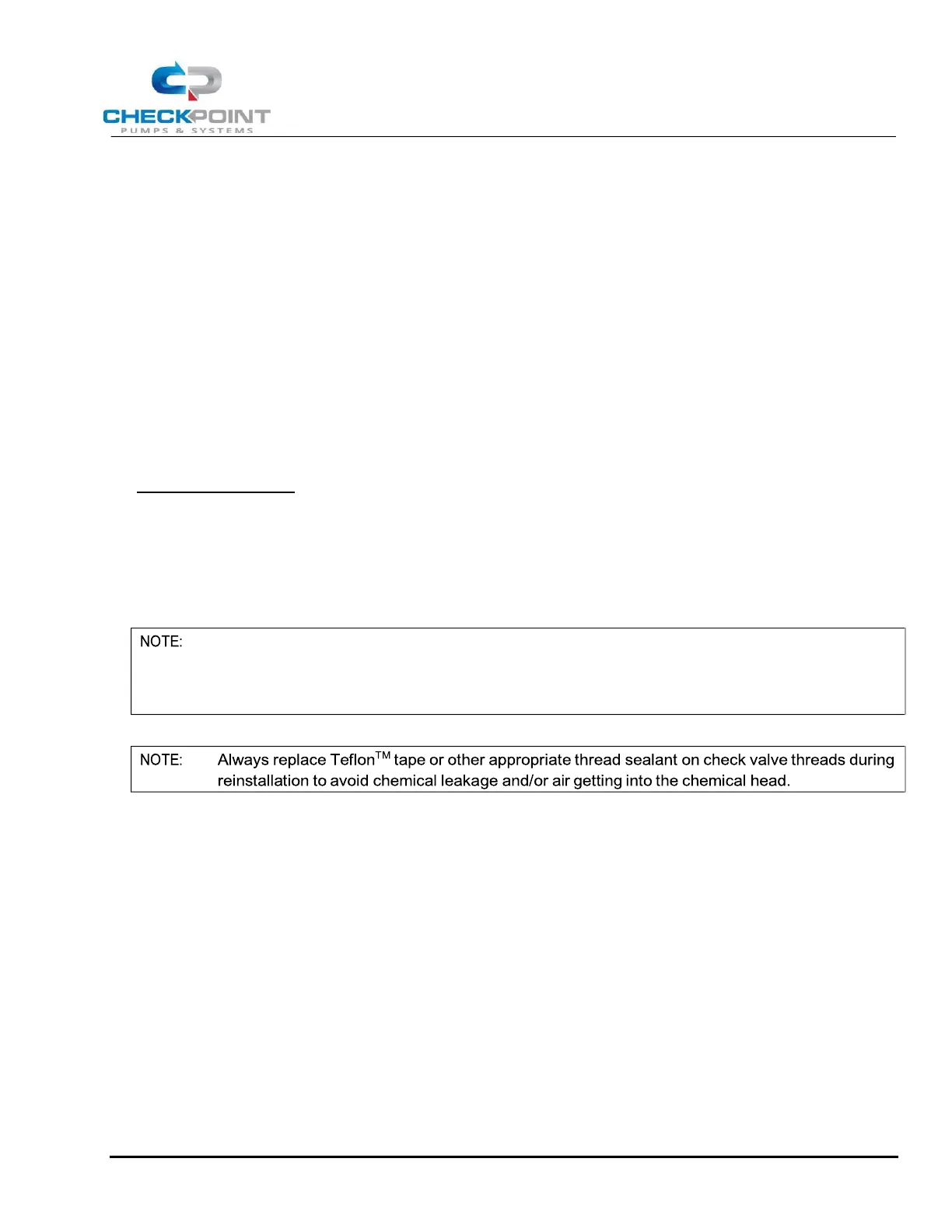
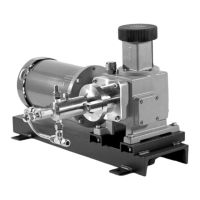
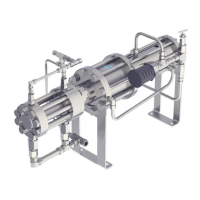
Series 1250 Pneumatic Chemical Injection Pump
Operating Manual
CheckPoint FailSafe
TM
check valves do not need replacement when they do not check properly. A
simple rebuild kit is available to replace the O-ring, spring, and snap ring, which should correct all
but the most severe check problems. If corrosion of the valve body and/or poppet is apparent, a
different type of check valve material is indicated.
to minimizing friction within the pump, lubrication flushes out foreign debris, further reducing wear and tear on the
mechanism.
5.3.1
Periodic Lubrication To lubricate the pump periodically, block off and then disconnect the air/gas supply
line by unscrewing the fitting at the pump air/gas inlet. Introduce approximately 1cc of lubricant into the air/gas
inlet. Reconnect the air/gas supply line and reintroduce gas pressure. Lubricant will become evenly distributed
throughout the motor end of the pump within a few cycles.
5.3.2
Continuous Lubrication Lubricator bottles can be placed anywhere in the gas supply line prior to the pump’s
air/gas inlet. Set the lubricator rate as low as possible, one to two drops per minute, unless cold conditions dictate
more in order to prevent freezing of the gas supply. CheckPoint offers both a small and a large in-line lubricator;
call CheckPoint or your authorized CheckPoint distributor for details.
5.3.3
Recommended Lubrication Type A light hydraulic oil bearing the designation ISO 3448 viscosity no. 20-32
should be used. If atmospheric or other supply air/gas conditions present exhaust freezing issues, a similar type
lubricant with an antifreeze component such as glycol may be used.
6. TROUBLESHOOTING
6.1 Pump runs, but chemical does not discharge at the correct rate
6.1.1
Suction check valve may be clogged with debris
To flush, open speed control valve fully, allow pump to
stroke at this maximum rate for at least 60 seconds, then return to the original setting. If no improvement is noted
after three repetitions, remove the suction check valve from body of pump, blow out with air or water pressure, or
rebuild if necessary, and reinstall.
6.1.2
Pump may have lost prime/become “air locked” Pump should be re-primed as described in Section 3.1. If
the problem persists, check to ensure that there are no leaks in any process lines, particularly upstream of the pump
in the chemical suction lines. If the pump is getting any air through the suction side, the head will eventually lose
prime. Please carefully read section 1.1.6 and its subparagraphs for more details. A common source of air in the
supply is the block valve ahead of the suction check. Check this valve to make sure the stem packing is tight and
that the materials of construction are compatible with the chemcial being pumped. Check also that the pump’s
packing nut is adjusted per Section 5.1 on page 14. Finally, on pumps supplying chemical into gas lines, it is possible
that the discharge check may be leaking, allowing gas under pressure to “back into” the chemical head.
6.1.3
Check valves may have been re-located away from the chemical head of the pump The checks must stay
directly attached to the head in order to facilitate chemical movement.
6.1.4
Chemical may be obstructed from entering the pump
Plumbing upstream of the chemical head may have
blockage preventing chemical from getting to the suction check valve. A common example is an in-line chemical
filter bec
oming clogged with debris. Solution is to clean out suction plumbing and clean or replace chemical filter.
CP/MAN-PRD-015 REV. 15 EFF. DATE: 07/08/2022


 To Next Page