
 Need help?
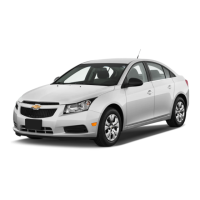
Do you have a question about the Chevrolet Cruze 2011 and is the answer not in the manual?
Overview of the vehicle's instrument panel and its components.
Information for new drivers covering basic vehicle operation and features.
Details on various features of the vehicle, such as audio and power outlets.
Information on traction control, StabiliTrak, tire pressure monitoring, and oil life.
Information on vehicle keys, remote keyless entry, and door lock operation.
Details on opening and closing vehicle doors, including the trunk.
Information on theft-deterrent features, alarm systems, and immobilizers.
Adjustment and features of the vehicle's exterior mirrors.
Adjustment and features of the vehicle's interior rearview mirror.
Operation of the vehicle's power windows and related features.
Information about the vehicle's sunroof operation.
Proper adjustment and importance of head restraints for occupant safety.
Adjusting manual and power front seats, seat cushion tilt, and heated seats.
Information on folding rear seatbacks.
Proper use, importance, and system checks for vehicle safety belts.
Details on airbag types, deployment, and safety precautions.
Guidelines for properly securing children in child restraint systems.
Locations and operation of storage compartments like instrument panel and glove box.
Information on features like cargo tie downs.
Operation of steering wheel adjustments and controls, horn, and wipers.
Explanation of various warning lights, gauges, and indicators on the instrument panel.
Details on the Driver Information Center (DIC) and its operation.
Interpretation of various vehicle messages displayed in the DIC.
Controls and operation of exterior lamps including headlamps and fog lamps.
Operation of instrument panel illumination, courtesy lamps, and dome lamps.
Information on entry lighting, exit lighting, and battery power protection for lights.
Overview of the infotainment system's features and operation.
Details on AM-FM radio, satellite radio, and reception.
Information on CD players and auxiliary device connections.
Details on Bluetooth connectivity and voice recognition for phone use.
Tips on defensive driving, drunk driving, and vehicle control.
Information on new vehicle break-in, ignition positions, and starting the engine.
Information on the ABS system, parking brake, and brake assist.
Details on Traction Control System (TCS) and StabiliTrak system.
Operation and tips for using the cruise control system.
Fuel recommendations, specifications, and filling the tank.
General towing information, driving characteristics, and trailer towing tips.
Basic information regarding service and parts needs.
Guide for performing basic maintenance checks and service work.
Instructions for replacing various exterior and interior light bulbs.
Information on electrical system overload, fuses, and circuit breakers.
Details on tires, including selection, maintenance, and replacement.
Importance of maintenance for vehicle condition and warranty.
Schedule for routine maintenance tasks and when messages indicate service is needed.
List of recommended fluids, lubricants, and replacement parts for the vehicle.
Section for recording completed service and maintenance history.
Information on VIN and Service Parts Identification Label for vehicle identification.
Approximate capacities and specifications for various vehicle systems.
Steps to follow if concerns with the dealer or vehicle are not resolved.
How to report safety defects to government agencies and General Motors.
Information on vehicle data recording by onboard computers and privacy.
 General
| Brand | Chevrolet |
|---|---|
| Model | Cruze 2011 |
| Category | Automobile |
| Language | English |













 To Next Page
