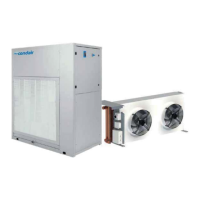
What to do if my Condair Dehumidifier shows hight room temperature?
- HHolly JonesAug 10, 2025
If your Condair Dehumidifier displays that the room temperature is too high, it might be caused by a faulty sensor. Contact the Company.
What to do if my Condair Dehumidifier shows hight room temperature?
If your Condair Dehumidifier displays that the room temperature is too high, it might be caused by a faulty sensor. Contact the Company.
Why does my Condair Dehumidifier show low room temperature?
If your Condair Dehumidifier indicates a low room temperature, the cause might be a defective sensor. Contact the Company.
What to do if my Condair Dehumidifier shows low pressure?
If your Condair Dehumidifier is showing low pressure, this could be due to a refrigerant charge leakage. Contact the Company.
What does 'Room temperature probe sensor alarm PBa' mean on my Condair Dehumidifier?
If your Condair Dehumidifier displays a 'Room temperature probe sensor alarm PBa', it indicates a faulty sensor. Contact the Company.
Identifies potential risks associated with unit components, their causes, and necessary precautions.
Details identification of refrigerant fluid, oil, and ecological information.
Emphasizes informing personnel about risks of handling potentially toxic substances.
Advises minimizing refrigerant vapor concentration and avoiding contact with surfaces.
Provides steps for managing refrigerant leaks, including PPE and containment.
Explains toxicological effects of refrigerants on inhalation, skin, and eyes.
Outlines first aid procedures for inhalation, skin contact, and eye contact.
Provides detailed performance specifications, capacities, and electrical data for different models.
Shows operating limits via a diagram and warns against exceeding them for warranty.
Covers operator training, maintenance by trained personnel, and general safety precautions.
Focuses on workplace tidiness, lighting, and ventilation for safe operations.
Lists essential PPE like footwear, eye protection, gloves, and respiratory gear.
Offers recommendations for safe lifting and handling of the unit to prevent damage.
Specifies installation site requirements and necessary clearances around the unit.
Provides templates and instructions for installing units using M8 screws.
Explains how to connect the condensate drain and the requirement for a syphon.
Highlights crucial safety precautions for electrical connections and power supply.
Lists electrical specifications like power supply, auxiliary circuits, and cable sections.
Guides on connecting the power supply cable to the unit's main switch.
Lists essential checks before starting the unit, including electrical and refrigerant systems.
Outlines mandatory checks to be performed by trained personnel.
Provides guidelines for refrigerant circuit maintenance and repair, including leak detection.
Presents a table of common alarm codes, causes, and solutions for unit failures.
Identifies potential risks associated with unit components, their causes, and necessary precautions.
Details identification of refrigerant fluid, oil, and ecological information.
Emphasizes informing personnel about risks of handling potentially toxic substances.
Advises minimizing refrigerant vapor concentration and avoiding contact with surfaces.
Provides steps for managing refrigerant leaks, including PPE and containment.
Explains toxicological effects of refrigerants on inhalation, skin, and eyes.
Outlines first aid procedures for inhalation, skin contact, and eye contact.
Provides detailed performance specifications, capacities, and electrical data for different models.
Shows operating limits via a diagram and warns against exceeding them for warranty.
Covers operator training, maintenance by trained personnel, and general safety precautions.
Focuses on workplace tidiness, lighting, and ventilation for safe operations.
Lists essential PPE like footwear, eye protection, gloves, and respiratory gear.
Offers recommendations for safe lifting and handling of the unit to prevent damage.
Specifies installation site requirements and necessary clearances around the unit.
Provides templates and instructions for installing units using M8 screws.
Explains how to connect the condensate drain and the requirement for a syphon.
Highlights crucial safety precautions for electrical connections and power supply.
Lists electrical specifications like power supply, auxiliary circuits, and cable sections.
Guides on connecting the power supply cable to the unit's main switch.
Lists essential checks before starting the unit, including electrical and refrigerant systems.
Outlines mandatory checks to be performed by trained personnel.
Provides guidelines for refrigerant circuit maintenance and repair, including leak detection.
Presents a table of common alarm codes, causes, and solutions for unit failures.
| Brand | Condair |
|---|---|
| Model | DC 100-W |
| Category | Dehumidifier |
| Language | English |