This document is a user manual for the Cookology Table Top Fridge, available in models MFR45WH, MFR45BK, MFR45SS, and MFR45RD. It provides essential safety warnings, installation instructions, usage guidelines, maintenance tips, and troubleshooting information.
Function Description:
The Cookology Table Top Fridge is a compact refrigerating appliance designed for indoor household use and similar applications, such as in hotel rooms. Its primary function is to store food and beverages at cool temperatures, featuring an ice-cube compartment for freezing. The appliance is designed to be user-friendly and efficient, with adjustable temperature settings and a focus on safety and environmental responsibility.
Important Technical Specifications:
The manual does not explicitly list detailed technical specifications such as dimensions, weight, power consumption (in Watts or kWh), or refrigerant type by name. However, it does mention that the refrigerant is an "environmental-friendly gas but is also combustible," implying the use of a hydrocarbon refrigerant (e.g., R600a or R290), which is common in modern refrigerators. The appliance operates on mains electricity, and proper earthing is required for safety. The temperature can be adjusted via a thermostatic dial, with a medium setting recommended for general operation. The freezing compartment requires manual defrosting when the frost layer reaches 3-4 mm.
Usage Features:
- Temperature Control: The refrigerator's temperature can be adjusted using a thermostatic dial. A medium setting is suggested for optimal general operation.
- Ice-Cube Compartment: A dedicated compartment is included for making ice cubes or storing small frozen items.
- Shelving: The fridge includes an internal shelf and door shelves for organized storage of food and beverages.
- Adjustable Foot: An adjustable foot allows for leveling the fridge on uneven surfaces, reducing vibration and noise.
- Defrosting: The manual outlines a manual defrosting process for the freezing compartment, recommending removal of all food, setting the thermostat to "OFF," and using a drip tray to collect melted water.
- Ease of Access: The design includes a handle recess for easy opening of the door.
- Portability: The unit is designed to be maneuvered by a minimum of two persons, indicating a moderate weight and size suitable for a table-top appliance.
Maintenance Features:
- Cleaning: Regular cleaning is recommended. The interior should be cleaned with a piece of cloth soaked in a natural cleanser and then wiped with clean water. Abrasive cleaners, alkali cleansers, chemical cloths, thinner, alcohol, acid petroleum products, and hot water should be avoided as they can damage the paint and plastics.
- Door Gasket Maintenance: The door gasket should be cleaned frequently to ensure proper sealing and efficiency.
- Long-Term Storage: For prolonged periods of non-use, the fridge should be disconnected from the power supply, cleaned, dried, and the door left ajar to prevent unpleasant smells.
- Defrosting: Regular defrosting of the freezing compartment is crucial for maintaining efficiency. The manual warns against using sharp or metallic objects to remove frost, as this can damage the evaporator.
- Ventilation: Ensuring adequate air circulation behind the appliance is important for efficient operation. The rear wall (outer condenser) should be kept clean and free of dust or impurities.
- Troubleshooting Guide: The manual includes a troubleshooting table to help users identify and resolve common issues such as lack of refrigeration, inefficient cooling, food freezing in the refrigerator compartment, noises, and the compressor not stopping automatically. This guide covers checks like power supply, thermostat settings, clearance around the fridge, door opening frequency, and food loading.
Safety Precautions:
The manual emphasizes several critical safety warnings:
- Authorized Service Personnel: It is hazardous for anyone other than authorized service personnel to carry out repairs involving the removal of covers.
- Electrical Shock Risk: Users are warned not to attempt repairs themselves to avoid the risk of electrical shock.
- Earthing: The appliance must be earthed.
- Child Safety: Children aged 8 years and above, and persons with reduced physical, sensory, or mental capabilities, can use the appliance with supervision and instruction. Children should not play with the appliance, and cleaning/maintenance should not be done by children without supervision. If the unit has a lock, the key should be kept out of reach of children.
- Flammable Substances: Do not store explosive substances or aerosol cans with flammable propellants in the appliance.
- Ventilation: Keep ventilation openings clear of obstructions.
- Defrosting Methods: Do not use mechanical devices or other means to accelerate defrosting other than those recommended by the manufacturer.
- Electrical Appliances Inside: Do not use electrical appliances inside the food storage compartments unless they are of the type recommended by the manufacturer.
- Refrigerant Circuit: Do not damage the refrigerant circuit. In case of damage, avoid naked flames or ignition sources and ventilate the room.
- Heat Sources: Place the unit away from heat sources like radiators or fires.
- Power Cable: If the mains cable is damaged, it must be replaced by the manufacturer, its service agent, or a qualified technician.
- Child Entrapment: When disposing of an old refrigerator, remove doors and leave shelves in place to prevent children from climbing inside.
- Extension Cords: Do not use extension cords.
- Settling Time: Allow the gases in the fridge to settle for 24 hours before plugging it in after installation or moving.
- Overloading: Overloading the appliance can lead to malfunction and higher electric consumption.
- Wet Hands: Do not touch the appliance with wet hands.
Environmental Considerations:
The manual highlights the importance of proper disposal of packing materials and old refrigerator equipment. It notes that old equipment may contain CFCs (chlorofluorocarbons), which damage the ozone layer, and advises contacting local waste disposal departments for safe disposal. It also mentions that the refrigerant used is "environmental-friendly" but combustible, reinforcing the need for careful handling and disposal. The document encourages environmentally friendly disposal methods to recover valuable raw materials.

 Need help?
 General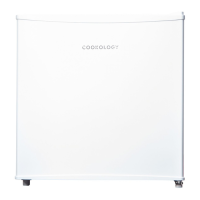

 To Next Page