EasyManua.ls Logo

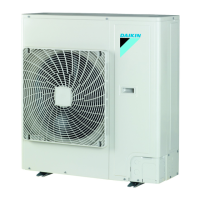
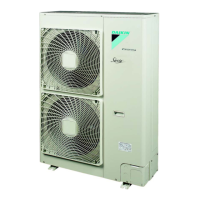
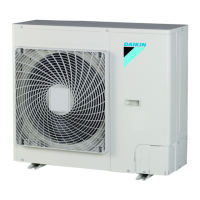
Daikin AZQS125B7Y1B - User Manual

Daikin AZQS125B7Y1B
44 pages
Print Icon
To Next Page IconTo Next Page
Loading...
Installerreferenceguide
Splitsystemairconditioners
English
Installerreferenceguide
Splitsystemairconditioners
AZQS100B8V1B
AZQS125B8V1B
AZQS140B8V1B

AZQS100B7Y1B
AZQS125B7Y1B
AZQS140B7Y1B

Table of Contents

Other manuals for Daikin AZQS125B7Y1B

Question and Answer IconNeed help?

Do you have a question about the Daikin AZQS125B7Y1B and is the answer not in the manual?

Summary

1 General safety precautions

1.2.3 Refrigerant

Precautions for handling refrigerant, including installation compliance and leak detection.

1.2.6 Electrical

DANGER: RISK OF ELECTROCUTION. Safety measures for electrical connections and wiring.

5 Preparation

5.3 Preparing refrigerant piping

Requirements for refrigerant piping material, temper grade, thickness, and diameter.

5.3.1 Refrigerant piping requirements

Details on piping material, temper grade, thickness, and flare connections.

5.4 Preparing electrical wiring

Precautions and guidelines for preparing electrical wiring.

5.4.1 About preparing electrical wiring

Safety precautions and guidelines for preparing electrical wiring before installation.

6 Installation

6.3 Mounting the outdoor unit

Steps and precautions for securely mounting the outdoor unit.

6.3.2 Precautions when mounting the outdoor unit

Safety and installation precautions for mounting the outdoor unit.

6.3.4 To install the outdoor unit

Securing the outdoor unit to the foundation using anchor bolts.

6.4 Connecting the refrigerant piping

Workflow and steps for connecting refrigerant piping.

6.4.1 About connecting the refrigerant piping

Overview of the process for connecting refrigerant piping to units.

6.4.2 Precautions when connecting the refrigerant piping

Important safety warnings and precautions for refrigerant piping connections.

6.4.3 Guidelines when connecting the refrigerant piping

Specific guidelines for making secure and leak-free refrigerant piping connections.

6.4.5 To flare the pipe end

Detailed instructions on how to properly flare pipe ends for connections.

6.4.7 Using the stop valve and service port

Instructions on how to handle stop valves and service ports.

6.4.8 To connect the refrigerant piping to the outdoor unit

Step-by-step guide for connecting refrigerant pipes to the outdoor unit.

6.5 Checking the refrigerant piping

Procedures and precautions for checking the refrigerant piping.

6.5.1 About checking the refrigerant piping

Overview of checking external refrigerant piping after installation.

6.5.2 Precautions when checking the refrigerant piping

Important precautions before and during refrigerant piping checks.

6.5.3 Checking refrigerant piping: Setup

Setup instructions for performing refrigerant piping checks.

6.5.4 To check for leaks

Method for checking refrigerant piping for leaks using a bubble test solution.

6.5.5 To perform vacuum drying

Steps for performing vacuum drying to remove moisture and air from the system.

6.6 Charging refrigerant

Procedures and considerations for charging refrigerant into the system.

6.6.1 About charging refrigerant

When additional or complete refrigerant charging is necessary.

6.6.2 Precautions when charging refrigerant

Essential precautions to take when charging refrigerant.

6.6.3 To determine the additional refrigerant amount

How to calculate the amount of additional refrigerant needed based on piping length.

6.6.4 To determine the complete recharge amount

Table to determine the total refrigerant charge based on model and piping length.

6.6.5 Charging refrigerant: Setup

Reference to the setup for checking refrigerant piping.

6.6.6 To charge refrigerant

Safety warnings and guidelines for charging refrigerant.

6.7 Connecting the electrical wiring

Procedures for connecting electrical wiring to the units.

6.7.3 Precautions when connecting the electrical wiring

Safety precautions for electrical wiring installation.

6.7.6 To connect the electrical wiring on the outdoor unit

Step-by-step guide for connecting electrical wiring to the outdoor unit.

7 Commissioning

9 Maintenance and service

10 Troubleshooting

12 Technical data

Summary

1 General safety precautions

1.2.3 Refrigerant

Precautions for handling refrigerant, including installation compliance and leak detection.

1.2.6 Electrical

DANGER: RISK OF ELECTROCUTION. Safety measures for electrical connections and wiring.

5 Preparation

5.3 Preparing refrigerant piping

Requirements for refrigerant piping material, temper grade, thickness, and diameter.

5.3.1 Refrigerant piping requirements

Details on piping material, temper grade, thickness, and flare connections.

5.4 Preparing electrical wiring

Precautions and guidelines for preparing electrical wiring.

5.4.1 About preparing electrical wiring

Safety precautions and guidelines for preparing electrical wiring before installation.

6 Installation

6.3 Mounting the outdoor unit

Steps and precautions for securely mounting the outdoor unit.

6.3.2 Precautions when mounting the outdoor unit

Safety and installation precautions for mounting the outdoor unit.

6.3.4 To install the outdoor unit

Securing the outdoor unit to the foundation using anchor bolts.

6.4 Connecting the refrigerant piping

Workflow and steps for connecting refrigerant piping.

6.4.1 About connecting the refrigerant piping

Overview of the process for connecting refrigerant piping to units.

6.4.2 Precautions when connecting the refrigerant piping

Important safety warnings and precautions for refrigerant piping connections.

6.4.3 Guidelines when connecting the refrigerant piping

Specific guidelines for making secure and leak-free refrigerant piping connections.

6.4.5 To flare the pipe end

Detailed instructions on how to properly flare pipe ends for connections.

6.4.7 Using the stop valve and service port

Instructions on how to handle stop valves and service ports.

6.4.8 To connect the refrigerant piping to the outdoor unit

Step-by-step guide for connecting refrigerant pipes to the outdoor unit.

6.5 Checking the refrigerant piping

Procedures and precautions for checking the refrigerant piping.

6.5.1 About checking the refrigerant piping

Overview of checking external refrigerant piping after installation.

6.5.2 Precautions when checking the refrigerant piping

Important precautions before and during refrigerant piping checks.

6.5.3 Checking refrigerant piping: Setup

Setup instructions for performing refrigerant piping checks.

6.5.4 To check for leaks

Method for checking refrigerant piping for leaks using a bubble test solution.

6.5.5 To perform vacuum drying

Steps for performing vacuum drying to remove moisture and air from the system.

6.6 Charging refrigerant

Procedures and considerations for charging refrigerant into the system.

6.6.1 About charging refrigerant

When additional or complete refrigerant charging is necessary.

6.6.2 Precautions when charging refrigerant

Essential precautions to take when charging refrigerant.

6.6.3 To determine the additional refrigerant amount

How to calculate the amount of additional refrigerant needed based on piping length.

6.6.4 To determine the complete recharge amount

Table to determine the total refrigerant charge based on model and piping length.

6.6.5 Charging refrigerant: Setup

Reference to the setup for checking refrigerant piping.

6.6.6 To charge refrigerant

Safety warnings and guidelines for charging refrigerant.

6.7 Connecting the electrical wiring

Procedures for connecting electrical wiring to the units.

6.7.3 Precautions when connecting the electrical wiring

Safety precautions for electrical wiring installation.

6.7.6 To connect the electrical wiring on the outdoor unit

Step-by-step guide for connecting electrical wiring to the outdoor unit.

7 Commissioning

9 Maintenance and service

10 Troubleshooting

12 Technical data

Daikin AZQS125B7Y1B Specifications

General IconGeneral
ModelAZQS125B7Y1B
CategoryAir Conditioner
TypeSplit System
Cooling Capacity12.5 kW
Heating Capacity14.0 kW
Energy Efficiency Ratio (Cooling)3.21
Power Supply3 Phase, 380-415V, 50Hz
RefrigerantR410A

Related product manuals