Need help?
Do you have a question about the Dawlance DW-58 and is the answer not in the manual?
Carry the refrigerator by holding the handles located on the rear and bottom.
Clean the inside parts with a cloth soaked in warm water. If soapy water is used, wipe it off thoroughly.
The refrigerator controls its temperature automatically. Adjust temperature for freezer and refrigerator compartments.
Use water supply cup to measure water for ice cube trays. Turn lever to empty ice cubes.
Defrosting is automatic due to an energy saving system. Defrost cycle time is proportional to compressor running time.
A built-in unit that requires no manual operation. It automatically starts operating when the refrigerator is powered on.
Minimize moisture loss by loosely enclosing fruit and vegetables in plastic material, not sealed.
Check use-by dates. Most dairy products have recommended temperature and shelf life. Store eggs in the Egg holder.
Place on a plate, cover with paper/plastic wrap. For larger cuts, place to the rear of shelves. Ensure cooked food is wrapped.
Freeze fresh foods in small quantities quickly. Store properly covered, remove air. Place evenly in freezer. Label containers.
Instructions for removing and setting the evaporating pan and its cover.
Unplug refrigerator first. Remove light cover, replace bulb with same type (Freezer: 10W, Refrigerator: 15W).
For extended periods away, remove all food, clean interior, unplug cord, and leave doors open.
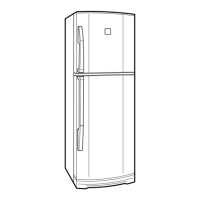
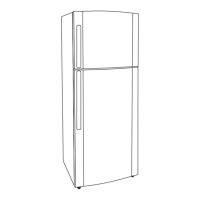
This document is an operation manual for the Dawlance DW-68 and DW-58 electric refrigerators, providing comprehensive instructions for their use, maintenance, and troubleshooting. It emphasizes safe and efficient operation to maximize the product's benefits.
The refrigerator is designed for domestic use, primarily for storing foodstuffs. It features a two-compartment design: a freezer compartment and a refrigerator compartment, each with independent temperature controls. The manual highlights the importance of proper installation, including adequate ventilation space around the unit, to ensure optimal cooling efficiency and prevent unnecessary electricity consumption. The refrigerator should be positioned on a firm and level floor, using its adjustable feet to achieve stability.
The refrigerator operates with an automatic temperature control system for both compartments. Users can adjust the temperature settings based on their needs. For the freezer, settings range from 1 (MIN) for minimal freezing (when not storing frozen food or ice cream) to 7 (MAX) for rapid ice making or fast freezing. The refrigerator compartment also offers settings from 1 (MIN) for excessive cooling to 7 (MAX) for keeping foods fresher or when insufficient cooling is observed. A crucial note is that operating the freezer at 7 (MAX) for extended periods can cause items in the refrigerator compartment to freeze, and similarly, operating the refrigerator at 7 (MAX) can also lead to freezing of items. Low ambient temperatures can also cause foods to freeze even at the 1 (MIN) setting for the refrigerator.
The freezer compartment includes a freezer light, freezer fan, freezer shelf, ice cube maker, and ice cube box. The ice cube maker is designed for convenient ice production; users can pour water into the trays using the provided water supply cup and then turn a lever to empty the ice into the ice cube box once frozen. The manual cautions against making ice directly in the ice cube box or pouring oil into it to prevent damage. A deodorizing unit is built into the refrigerator, operating automatically when the unit is powered on, eliminating the need for manual intervention.
The refrigerator compartment features a refrigerator fan, refrigerator light, and multiple shelves (3 for DW-68, 2 for DW-58). A special fan in this compartment quickly and evenly cools the interior when the door is opened or if the internal temperature rises for other reasons; it does not function during normal operation. The fresh case, located in the refrigerator, opens as it is pulled, and its cover is designed to facilitate access. The vegetable crisper, placed under a rail, is intended for storing fruits and vegetables. Door pockets, including freezer pockets, free pockets (2 for DW-68, 1 for DW-58), and bottle pockets with a bottle guard, provide additional storage options and prevent items from falling.
The appliance incorporates an automatic defrosting system, which is energy-saving. The defrost cycle start time is proportional to the compressor's running time, meaning less frequent defrosting during periods of lower usage, such as winter or when away on holidays.
The manual provides guidance on storing various types of food to maximize their shelf life. It recommends placing food evenly on shelves to allow efficient air circulation and cooling hot foods before storing them to prevent temperature increases and spoilage. Users are advised not to block the cool air outlet and inlet with food or containers to ensure even cooling.
For fruits and vegetables, it's recommended to loosely enclose them in plastic material (e.g., wrap, bags, but not sealed) and place them in the vegetable crisper to minimize moisture loss. Thick-skinned fruits and vegetables like oranges do not require wrapping. Dairy products and eggs should be stored according to their packaging's recommended temperature and shelf life, with eggs specifically placed in the egg holder. Meats, fish, and poultry should be placed on a plate or dish, covered with paper or plastic wrap, and larger cuts positioned at the rear of the shelves. All cooked food should be securely wrapped or placed in an airtight container.
For best freezing results, the manual suggests using fresh quality foods, freezing small quantities at a time for quicker freezing, and properly storing or covering food with air removed to seal tightly. Evenly distributing food in the freezer and labeling bags or containers for inventory management are also recommended.
Regular cleaning is essential for maintaining the refrigerator's hygiene and performance. The manual specifies using diluted dishwashing liquid (soapy water) for cleaning all plastic parts inside the refrigerator, followed by thorough rinsing with water. The exterior should be wiped with a soft cloth when soiled. The magnetic door seal can be cleaned with a toothbrush and warm soapy dishwashing water. Shelves and pockets should be removed, washed in warm soapy dishwashing water, rinsed, and dried. The inside of the refrigerator should be cleaned with a cloth soaked in soapy water, then wiped with cold water to remove soap residue.
The evaporating pan, located at the back of the refrigerator, should be removed and cleaned once a year. Instructions are provided for its removal and reattachment. The manual also details how to replace the lamp bulb in both the freezer and refrigerator compartments, emphasizing the need to unplug the refrigerator first to prevent electric shock and to use a bulb of the same type (Base E12, MAX 10W, T-20 for freezer; Base E12, MAX 15W, T-20 for refrigerator).
Important cleaning precautions include avoiding polishing powder, benzine, or hot water, as these can damage plastic parts. Undiluted detergent or unrinsed soapy water can also cause cracking. Food oils adhered to plastic components should be wiped off promptly to prevent surface cracking. When handling glass shelves, which weigh approximately 3kg each, users are advised to hold them firmly.
For extended periods of absence, the manual recommends switching off the refrigerator, removing all food, thoroughly cleaning the interior, unplugging the power cord, and leaving all doors open.
The manual also addresses normal operational sounds, such as the compressor's noise during startup and defrost cycles, the sound of refrigerant flowing, and cracking or crunching sounds from internal parts expanding and contracting. It also notes that the outside of the cabinet may feel warm due to the hot pipe inside, which prevents dew generation. These are identified as normal occurrences and not indicative of a fault.
 General
| Model | DW-58 |
|---|---|
| Category | Refrigerator |
| Cooling Technology | Direct Cool |
| Defrosting System | Manual |
| Number of Doors | 2 |
| Ice Tray | Yes |
| Frequency | 50Hz |
| Voltage | 220V |

 To Next Page