This manual describes the assembly and operation of a highly detailed, scale model of the Lamborghini Countach LP 500S, specifically the Walter Wolf edition. The model is designed for enthusiasts and collectors, offering a comprehensive building experience that culminates in a functional replica with several interactive features. It is not intended as a toy for children under 14 years of age due to its intricate parts and assembly process.
Function Description
The completed Lamborghini Countach LP 500S model is a static display piece with several operational features that mimic those of the real car. These functions are designed to enhance the realism and interactive experience of the model.
- Headlamps: The model features working headlamps that can be raised and lowered. This function is controlled by pushing a specific part of the headlamp link bar projecting from the underbody. Pushing it up raises the lamps, and gently pushing them back down lowers them.
- Doors: The iconic scissor doors of the Countach are fully functional. They can be opened by pushing up on the door lock and then lifting the door. To close, the door is pushed back down until a distinct click indicates it is locked into place.
- Covers (Bonnet and Rear Compartment): Both the front bonnet and the rear engine compartment cover are designed to open and close manually. They are held in the open position by extending stays, which are inserted into holes in the wheel box for support.
- Steering: The front wheels of the model can be turned left or right by rotating the steering wheel. However, due to the model's weight, it is recommended to slightly lift the front of the car when operating the steering wheel to prevent strain on the steering mechanism.
- Steering Column Switches: The left steering column lever on the model has two distinct functions:
- Horn: Pushing the lever in will activate a horn sound.
- Lights: Pulling the lever back will cycle through the light options: first turning on the lights, then activating the high beam, and a third pull will turn the lights off.
- Ignition Key and Engine Sound: Inserting the ignition key into the cylinder initiates the engine sound, adding to the immersive experience.
- Pedals: The model includes functional pedals:
- Accelerator Pedal: Pressing the accelerator pedal (located on the far right) while the ignition key is in the cylinder will rev the engine sound.
- Brake Pedal: Pressing the brake pedal (located in the center) will illuminate the brake lights.
Usage Features
The model is primarily designed for display, but its interactive elements allow for a dynamic engagement with the replica. The assembly process itself is a key usage feature, providing a detailed and educational experience in model building.
- Modular Assembly: The model is built in stages, with each pack containing components for specific sections of the car. This modular approach breaks down the complex build into manageable steps, making it accessible for hobbyists.
- Detailed Instructions: Each stage of assembly is accompanied by clear, step-by-step photographic instructions and descriptive text, ensuring accurate construction. Tools required for each stage are also listed.
- Realistic Detailing: The model incorporates numerous small details, such as interior light seals, a rear under grill, and a number plate, all contributing to its authentic appearance. The inclusion of "rallye racing" decals further enhances the Walter Wolf edition's specific aesthetic.
- Electronic Components: The integration of LED lights for headlamps and brake lights, along with sound modules for the engine and horn, provides a lifelike operational experience. These electronic features are powered by AAA batteries, which are installed during the assembly process.
- Cable Management: The instructions guide the builder through proper cable management for the electronic components, ensuring that wires are neatly routed and secured to avoid interference with moving parts or the overall aesthetic.
- Interactive Controls: The steering wheel, door locks, and steering column levers provide tactile interaction, allowing the user to "drive" and operate the model's features.
- Display Quality: Once completed, the model serves as a high-quality display piece, showcasing the intricate engineering and design of the Lamborghini Countach LP 500S.
Maintenance Features
While the manual primarily focuses on assembly and operation, some aspects touch upon maintenance and care to ensure the longevity and functionality of the model.
- Cleaning: The instructions recommend wiping over windows with a soft cloth to remove dirt and smudges, indicating a general need for gentle cleaning of the model's surfaces. This suggests that regular dusting with a soft, dry cloth would be beneficial to maintain its appearance.
- Battery Replacement: The model's electronic functions are powered by three AAA batteries. The manual details the process of removing the battery box cover, inserting the batteries, and replacing the cover, implying that battery replacement will be a routine maintenance task to keep the electronic features operational.
- Screw Tightening: Throughout the assembly, there are instructions to "tighten the screw into place" or "tighten them fully." This implies that periodic checks of screw tightness might be necessary to ensure all parts remain securely fastened, especially for components that experience movement or stress.
- Hinge Adjustment: For the doors, the manual includes a "CAUTION" note to check if the hinge can move through 90 degrees and to loosen the screw slightly if it cannot. This highlights the importance of proper hinge adjustment during assembly and suggests that if a door becomes stiff over time, a similar adjustment might be required.
- Delicate Parts Handling: A "CAUTION" section advises taking extra care when handling sub-assemblies as they come together, noting that while sections may be large, they are still delicate. This emphasizes the need for careful handling of the finished model to prevent damage to its intricate parts.
- Protective Film Removal: The manual instructs to apply and then peel off masking tape from protective films covering mirrors and indicator lamps. This is a one-time "maintenance" step during assembly to ensure clear optics and proper adhesion of decals.
- Storage Recommendations: After completing the left door assembly, the manual mentions that if not proceeding immediately to the next stage, the door should be stored, implying that proper storage of individual components and the finished model is important to prevent damage or loss of parts.
- Troubleshooting (Electrical): In the event that the engine sound does not start, the manual advises checking connections from the battery, speaker, and main switch, and ensuring batteries are inserted correctly. This provides a basic troubleshooting guide for electrical issues.
Overall, the Lamborghini Countach LP 500S model offers a rich and engaging experience, from its intricate assembly to its interactive operational features, all while requiring careful handling and basic maintenance to preserve its detailed realism.

 Need help?
 General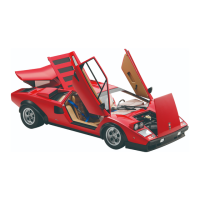

 To Next Page