This document is an instruction manual for the Deli gasoline chainsaw models DL585020 and DL585022. It provides comprehensive information on the chainsaw's schematic diagram, safety precautions, usage instructions, maintenance, product parameters, and troubleshooting.
Function Description
The Deli gasoline chainsaw is specifically designed for tree maintenance and trimming. It is powered by an air-cooled two-stroke engine that runs on a mixture of petrol and two-stroke engine oil. The chainsaw is intended for cutting wood and is equipped with safety features such as a chain brake and throttle trigger lock to prevent accidental starting and ensure safe operation.
Important Technical Specifications
The manual provides the following product parameters for both models DL585020 and DL585022:
- Engine Type: Two-stroke, single cylinder, air cooling
- Net Weight: 6.3kg
- Fuel Volume: 550ml
- Lubricating Oil Volume: 260ml
- Guide Plate Specification: 20" (500mm)
- Chain Specification: 0.325
- Maximum Cut Length: 500mm
- Engine Cylinder Dimensions: 45.2*34mm
- Idle Speed: 3500 ± 300r/min
- High Speed: 11000 ± 500r/min
- Output Power:
- DL585020: 2.0kw
- DL585022: 2.4kw
- Fuel Brand: Gasoline +2T oil
- Fuel Mixture Ratio: 25:1
- Fuel Consumption Rate:
- DL585020: 800±50g/kW.h
- DL585022: 850±50g/kW.h
The correct mixing ratio for fuel is 25 parts gasoline with 1 part two-stroke oil. The engine is designed to run on unleaded conventional petrol with a minimum octane rating of 90 RON (87 AKI) and with no more than 10% ethanol.
Usage Features
The manual emphasizes several key usage features and precautions:
- Operator Training: Only properly trained personnel should operate this chainsaw, especially for tree maintenance and trimming. Operators should be familiar with safe use, equipment, operations, and climbing techniques.
- Protective Equipment: Users must wear appropriate protective gear, including snug-fitting clothing, a hairnet for long hair, a helmet (checked regularly and replaced every five years), a mask or goggles, noise protection (ear muffs or earplugs), a safety jacket (when on a lift platform or ladder, or climbing with a sling), and gloves with anti-skid steel toe safety shoes.
- Fueling: The engine must be shut off and cooled down before fueling. Fueling should be done in a well-ventilated area, away from open flames and smoking. Spilled fuel or oil must be cleaned immediately, and clothing contaminated with fuel should be replaced. Fuel should be stored in approved, marked containers, inaccessible to children.
- Starting and Stopping: The chainsaw must be fully assembled and inspected before starting. The chain brake must be engaged before starting. The engine should be started at least 3 meters away from the refueling position, with the saw placed on stable ground, ensuring no contact between the guide plate and saw chain. The starter handle should be gently inserted back into the housing after pulling. For cold starts, the air door should be pulled outward, and the starter handle pulled 3-5 times before pushing the air door back in and pulling the handle again to start. For hot starts, the starter handle is pulled directly. To stop, release the throttle trigger and press the switch to "0".
- Operating Posture: Always hold the chainsaw with both hands (right hand on the back handle, left hand on the front handle). One-handed operation is extremely dangerous.
- Recoil Prevention: Be aware of recoil, which occurs when the guide plate tip touches hard objects. To prevent this, always look at the end of the guide plate and be careful when continuing cuts. Penetration cutting with the saw chain tip should only be performed by specially trained personnel.
- Cutting Techniques: The chain must be running at the beginning of the cut. Do not cut more than one branch at a time. Use spiked bumpers when cutting down or cross-cutting trees. Fix round wood to prevent rolling. Maintain balance, especially at the end of a cut when the chainsaw may "drop" suddenly. Avoid touching the hot chain immediately after cutting.
- Environmental Considerations: Do not inhale exhaust gases or work in enclosed rooms. A fire extinguisher should be available in flammable environments. Avoid sawdust and oil mist. Use a suitable base to prevent oil dripping from the saw chain or guide plate from contaminating the soil.
Maintenance Features
Regular maintenance is crucial for a long tool life and safe operation.
- General Checks: Regularly clean the chainsaw, check the tank cover for tightening, and ensure all bolts, nuts, and screws are tight. Replace damaged parts.
- Chain Brake: The chain brake should be checked before each use and inspected/repaired by an authorized service center every 3 months.
- Chain Lubrication: The chain oil tank must have sufficient chain oil. Check the oil level and feed rate regularly. Never use the chainsaw without sufficient lubrication.
- Saw Chain Tension: The saw chain tension must be checked before each use and adjusted as needed. A properly tensioned chain should be against the bottom of the guide plate and easily turned by hand. New chains stretch easily and require frequent checks.
- File and File Guiding: Use a special round file (4.0mm diameter) for grinding the saw chain. The file should engage only on the forward stroke and be raised on the return stroke. Grind the shortest cutting tool first to set the standard for others. A file support (optional) can help maintain the correct 30° grinding angle and limit file depth to 4/5 of the file diameter.
- Cutting Depth: After grinding, check the cutting depth with a chain meter tool and file off any excess with a special flat file.
- Sprocket: Check sprockets for wear before installing new chains. If wear exceeds 0.5mm, contact an authorized service center.
- Air Purifier: Clean the air purifier by closing the air door, removing the cover, and tapping or brushing off dust. Cover carburetor openings to prevent dirt ingress. Replace the air purifier if damaged or if the engine runs poorly after cleaning.
- Fuel Filter: Regularly inspect the fuel filter on the suction head. Replace it if it's too hard or blocked (recommended every three months).
- Spark Plug: Check the spark plug. The distance between electrodes should be 0.6mm. Clean or replace if blocked or contaminated. Do not touch while the engine is running due to high voltage shock risk.
- Storage: Before long-term storage or transportation, completely empty the fuel and oil tanks. Clean the chainsaw. Biodegradable saw chain oil has a limited shelf life (use within 2 years of production). If storing for a long time, empty the oil tank, add a small amount of conventional engine oil (SAE30), and run the chainsaw briefly to flush out biodegradable oil residue. Store chainsaws securely in a dry place, away from children.
- Troubleshooting: The manual includes a table for general failures and troubleshooting steps, such as releasing the chain brake, checking the spark plug, adding fuel, cleaning the air purifier, adjusting carburetor settings, and contacting an authorized service center for complex issues.

 Need help?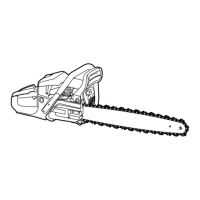

 To Next Page
 General