

EasyManua.ls Logo

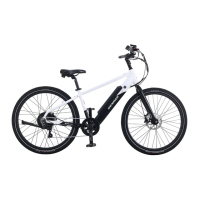
DENAGO CITY MODEL 1 - User Manual

DENAGO CITY MODEL 1
77 pages
Print Icon
To Next Page IconTo Next Page
Loading...
EBIKE
OWNER’S
MANUAL
CITY MODEL 1 • VERSION 1
This manual meets EN ISO-4210, 16 CFR 1512 and EN 16054 Standards
Question and Answer IconNeed help?

Do you have a question about the DENAGO CITY MODEL 1 and is the answer not in the manual?

Summary

General Safety Warnings

A Special Note for Parents

1. FIRST

A. eBike Fit

Guidance on ensuring the eBike is the correct size for the rider.

B. Safety First

Essential safety practices and equipment recommendations for riding.

C. Anatomy of Your Bike

Identification and description of the eBike's various parts.

D. Mechanical Safety Check

Steps to perform a routine mechanical safety check before riding.

E. First ride

Guidance for the initial familiarization ride on the new eBike.

A. The Basics

Fundamental rules, laws, and basic riding practices for eBike operation.

B. Riding Safety

Rules and precautions for safe riding on roads and paths.

C. Off Road Safety

Safety guidelines for riding your eBike on off-road terrain.

D. Wet Weather Riding

Advice on riding safely during wet weather conditions.

E. Night Riding

Safety measures and equipment for riding in low visibility conditions.

F. Extreme, stunt or competition riding

Warnings and considerations for aggressive riding styles.

G. Changing Components or Adding Accessories

Guidelines and warnings for changing parts or adding accessories.

H. E-Component

Safety and operational advice for the eBike's electronic components.

3. Fit

A. Stand over height

How to determine the correct stand over height for proper bike fit.

B. Saddle position

Steps for adjusting the saddle height, angle, and fore-aft position.

C. Handlebar height and angle

Adjusting handlebar height and angle for optimal riding position.

D. Control position adjustments

Adjusting the position of brake and shift levers for comfort.

E. Brake reach

Adjusting brake levers for comfortable reach and operation.

4. TECH

A. Wheels

Information on wheel mounting systems and securing wheels.

2. Wheels with cam action systems

Detailed instructions for adjusting cam-action wheel retention systems.

3. Removing and Installing wheels

Step-by-step guide for removing and installing front and rear wheels.

B. Seat post cam action clamp

How to adjust and secure the seat post using a cam action clamp.

C. Brakes

Overview of different brake types and safety warnings.

How brakes work

Explanation of braking mechanics, modulation, and weight transfer.

D. Shifting gears

Information on derailleur and internal gear hub shifting mechanisms.

E. Pedals

Types of pedals, toe overlap, and clipless pedal usage.

F. eBike Suspension

Guidelines for using and maintaining eBike suspension systems.

G. Tires and Tubes

Information on tire types, pressure, and valve systems.

Tire Valves

Explanation of Schrader and Presta valve types for tire inflation.

H. eBike Components

Safety and operational advice for the eBike's electronic components.

1. Battery

Instructions for battery removal, installation, charging, and safety.

2. Motor

General information about eBike motor types.

3. Throttle

Explanation of thumb and twist throttle controls for speed.

4. Monitor

Features and caution regarding the eBike's display monitor.

5. Harness

Information on the electrical connections between eBike components.

6. Riding Range of your eBike

Factors affecting battery range and expected distances under various conditions.

5. SERVICE

A. Service Intervals

Schedule for routine maintenance and checks for optimal eBike performance.

B. If your Ebike sustains an impact

Procedures to follow after the eBike has been involved in a crash or impact.

APPENDIX A: Teaching Your Child, the Rules

1. Rules

Basic traffic rules and safety regulations for young riders.

2. Lessons

Practical lessons for children on common riding scenarios and hazards.

APPENDIX B: Intended use of your Ebike

1. High-Performance Road

Intended use and limitations for road-specific eBikes.

2. General Purpose Riding

Guidelines for versatile eBike use on paved and light gravel paths.

3. Cross-Country, Marathon, Hardtails

Intended use for cross-country riding on varied terrain.

4. All Mountain

Guidelines for all-mountain eBikes on rougher trails and obstacles.

5. Gravity, Freeride, and Downhill

Safety and considerations for extreme riding types like downhill.

Dirt Jump

Intended use and safety for dirt jump eBikes.

Cyclo-cross

Intended use for cyclo-cross cycling on varied surfaces.

Road Tandems

Intended use for road tandem eBikes.

Mountain Tandems

Intended use for mountain tandem eBikes.

APPENDIX C: The lifespan of your Ebike and its components

1. Nothing Lasts Forever, Including Your Ebike.

Understanding that eBikes and components have a finite useful life.

A. Understanding metals

Overview of common metals used in eBike frames and their properties.

B. Understanding composites

Properties and limitations of carbon fiber and composite materials.

Inspection of Composite Frame, Fork, and Components

How to inspect composite frames, forks, and components for damage.

C. Understanding components

Distinguishing between original and aftermarket eBike components.
APPENDIX D Fastener Torque Specifications

APPENDIX E Troubleshooting - Some common issues

APPENDIX F Troubleshooting - Monitor

Summary

General Safety Warnings

A Special Note for Parents

1. FIRST

A. eBike Fit

Guidance on ensuring the eBike is the correct size for the rider.

B. Safety First

Essential safety practices and equipment recommendations for riding.

C. Anatomy of Your Bike

Identification and description of the eBike's various parts.

D. Mechanical Safety Check

Steps to perform a routine mechanical safety check before riding.

E. First ride

Guidance for the initial familiarization ride on the new eBike.

A. The Basics

Fundamental rules, laws, and basic riding practices for eBike operation.

B. Riding Safety

Rules and precautions for safe riding on roads and paths.

C. Off Road Safety

Safety guidelines for riding your eBike on off-road terrain.

D. Wet Weather Riding

Advice on riding safely during wet weather conditions.

E. Night Riding

Safety measures and equipment for riding in low visibility conditions.

F. Extreme, stunt or competition riding

Warnings and considerations for aggressive riding styles.

G. Changing Components or Adding Accessories

Guidelines and warnings for changing parts or adding accessories.

H. E-Component

Safety and operational advice for the eBike's electronic components.

3. Fit

A. Stand over height

How to determine the correct stand over height for proper bike fit.

B. Saddle position

Steps for adjusting the saddle height, angle, and fore-aft position.

C. Handlebar height and angle

Adjusting handlebar height and angle for optimal riding position.

D. Control position adjustments

Adjusting the position of brake and shift levers for comfort.

E. Brake reach

Adjusting brake levers for comfortable reach and operation.

4. TECH

A. Wheels

Information on wheel mounting systems and securing wheels.

2. Wheels with cam action systems

Detailed instructions for adjusting cam-action wheel retention systems.

3. Removing and Installing wheels

Step-by-step guide for removing and installing front and rear wheels.

B. Seat post cam action clamp

How to adjust and secure the seat post using a cam action clamp.

C. Brakes

Overview of different brake types and safety warnings.

How brakes work

Explanation of braking mechanics, modulation, and weight transfer.

D. Shifting gears

Information on derailleur and internal gear hub shifting mechanisms.

E. Pedals

Types of pedals, toe overlap, and clipless pedal usage.

F. eBike Suspension

Guidelines for using and maintaining eBike suspension systems.

G. Tires and Tubes

Information on tire types, pressure, and valve systems.

Tire Valves

Explanation of Schrader and Presta valve types for tire inflation.

H. eBike Components

Safety and operational advice for the eBike's electronic components.

1. Battery

Instructions for battery removal, installation, charging, and safety.

2. Motor

General information about eBike motor types.

3. Throttle

Explanation of thumb and twist throttle controls for speed.

4. Monitor

Features and caution regarding the eBike's display monitor.

5. Harness

Information on the electrical connections between eBike components.

6. Riding Range of your eBike

Factors affecting battery range and expected distances under various conditions.

5. SERVICE

A. Service Intervals

Schedule for routine maintenance and checks for optimal eBike performance.

B. If your Ebike sustains an impact

Procedures to follow after the eBike has been involved in a crash or impact.

APPENDIX A: Teaching Your Child, the Rules

1. Rules

Basic traffic rules and safety regulations for young riders.

2. Lessons

Practical lessons for children on common riding scenarios and hazards.

APPENDIX B: Intended use of your Ebike

1. High-Performance Road

Intended use and limitations for road-specific eBikes.

2. General Purpose Riding

Guidelines for versatile eBike use on paved and light gravel paths.

3. Cross-Country, Marathon, Hardtails

Intended use for cross-country riding on varied terrain.

4. All Mountain

Guidelines for all-mountain eBikes on rougher trails and obstacles.

5. Gravity, Freeride, and Downhill

Safety and considerations for extreme riding types like downhill.

Dirt Jump

Intended use and safety for dirt jump eBikes.

Cyclo-cross

Intended use for cyclo-cross cycling on varied surfaces.

Road Tandems

Intended use for road tandem eBikes.

Mountain Tandems

Intended use for mountain tandem eBikes.

APPENDIX C: The lifespan of your Ebike and its components

1. Nothing Lasts Forever, Including Your Ebike.

Understanding that eBikes and components have a finite useful life.

A. Understanding metals

Overview of common metals used in eBike frames and their properties.

B. Understanding composites

Properties and limitations of carbon fiber and composite materials.

Inspection of Composite Frame, Fork, and Components

How to inspect composite frames, forks, and components for damage.

C. Understanding components

Distinguishing between original and aftermarket eBike components.

APPENDIX D Fastener Torque Specifications

APPENDIX E Troubleshooting - Some common issues

APPENDIX F Troubleshooting - Monitor

DENAGO CITY MODEL 1 Specifications

General IconGeneral
BrandDENAGO
ModelCITY MODEL 1
CategoryScooter
LanguageEnglish