4 INTRODUCTION
1. rye 7,6 % – 35,0 %
2. common wheat 7,2 % – 35,0 %
3. strong variety of wheat 7,3 % – 35,0 %
4. triticale 7,4 % – 35,0 %
5. spring barley 8,0 % – 35,0 %
6. oats 8,0 % – 35,0 %
7. buckwheat 6,5 % – 35,0 %
8. broadbean 7,9 % – 35,0 %
9. yellow lupine 6,6 % – 35,0 %
10. blue lupine 7,5 % – 35,5 %
11. pea 8,0 % – 33,0 %
12. eld pea 7,8 % – 35,0 %
13. rape 4,0 % – 33,0 %
14. bean 7,7 % – 30,0 %
15. maize 8,0 % – 43,0 %
16. shelled sunower seeds 6,0 % – 14,9 %
17. unshelled sunower seeds 5,5 % – 15,6 %
18. perennial rye grass 6,4 % – 22,0 %
19. red clover 5,7 % – 26,3 %
20. white clover 4,8 % – 25,0 %
21. bean (small size) 8,9 % – 30,4 %
22. bean 8,9 % – 30,0 %
23. mustard 7,3 % – 21,6 %
24. millet 4,0 % – 18,6 %
25. soya bean 7,5 % – 28,8 %
26. sorghum 7,5 % – 28,8 %
27. ax 5,4 % – 20,5 %
28. white rice 7,4 % – 18,2 %
29. grey rice (rough paddy) 9,1 % – 21,4 %
30. coffee 7,7 % – 30,0 %
The results of moisture measurement may vary slightly due to temperature of the sample.
Upon request, adjustments can be made to test other kinds of seeds.
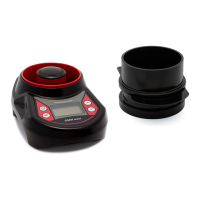
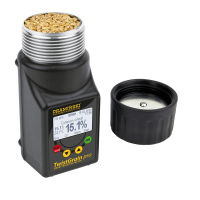
DRAMINSKI GRAIN MOISTURE METER
enables to measure the humidity of seeds of 30 below mentioned species of plants in following ranges:


 To Next Page
 Loading...