EasyManua.ls Logo

Easy@Home MS-201 - User Manual

Easy@Home MS-201
51 pages
Print Icon
To Next Page IconTo Next Page
Loading...
ID: #07177
m
y
h
a
n
s
e
c
o
n
t
r
o
l
.
c
o
m
C
E
R
T
I
F
I
E
D
User-friendly
Manual
LAUNDRY
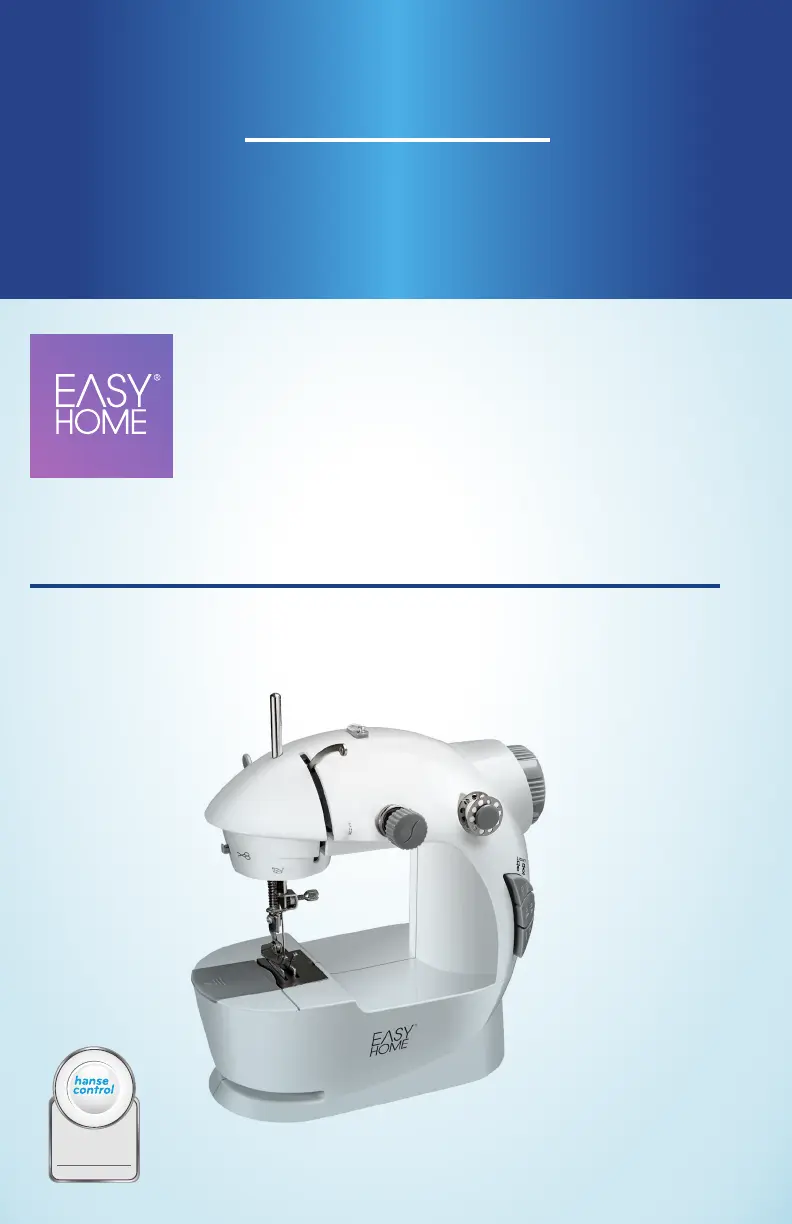
MINI SEWING MACHINE
MINIMÁQUINA DE COSER
User Manual
Manual
del usuario
English .....06
Español .... 27

Table of Contents

Questions and Answers

  • C
    Charles SullivanAug 2, 2025
    Why my Easy@Home Sewing Machine does not start?
    • A
      Austin WelchAug 2, 2025
      If your Easy@Home Sewing Machine isn't starting, several things could be the cause. First, ensure the foot pedal is properly connected. If that's not the issue, check the batteries to make sure they're correctly inserted and not empty; reinsert or replace them if needed. Also, verify that the power adapter is correctly plugged into both the power outlet and the sewing machine. Finally, the power outlet itself may be defective; try a different outlet and check the power supply fuse.
  • T
    Thomas Richardson DDSAug 6, 2025
    What to do if the thread tears on my Easy@Home Sewing Machine?
    • B
      Bruce HouseAug 7, 2025
      If the thread on your Easy@Home Sewing Machine keeps tearing, try these solutions: * First, rethread both the upper and lower threads, as improper threading or tangling can cause this issue. * Next, check the upper thread tension; if it's too high, reduce it using the tension regulator. * Also, make sure the spool of thread or bobbin is correctly positioned. * Inspect the needle; a bent or blunt needle should be replaced. * Ensure you're using the correct combination of needle size, thread size, and fabric. * Finally, only use the supplied bobbins, as using the wrong bobbin can also cause the thread to tear.
  • C
    Cathy RussellAug 10, 2025
    How to fix skipped stitches on my Easy@Home Sewing Machine?
    • A
      Amy TuckerAug 10, 2025
      If your Easy@Home Sewing Machine is skipping stitches, there are several potential causes. Ensure the needle is inserted correctly; if not, reinsert it. A bad needle can also cause skipped stitches, so try using another needle. The combination of needle size, thread size, and fabric might be incorrect, so consider changing the needle or thread. Fibers or lint trapped beneath the throat plate can also interfere, so clean the throat plate with a fine brush. Make sure the thread has been properly guided through the machine; if not, rethread it. Finally, ensure the presser foot is lowered.
  • B
    Brendan DelgadoAug 15, 2025
    Why does the needle keep breaking on my Easy@Home Sewing Machine?
    • S
      Stephanie MorganAug 15, 2025
      If the needle on your Easy@Home Sewing Machine is breaking, it could be due to several reasons. First, make sure the needle is correctly inserted. If not, reinsert it. A bad needle can also cause breakage, so try using another needle. The combination of needle size, thread size, and fabric might be incorrect, so consider changing either the needle or the thread. Lastly, avoid pulling the fabric too much; instead, let the feed dog feed the fabric through.
  • K
    Kevin MillerAug 19, 2025
    Why does the fabric curl up when using my Easy@Home Sewing Machine?
    • S
      snyderrebeccaAug 19, 2025
      If the fabric is curling up when using your Easy@Home Sewing Machine, try the following: reduce the tension of the upper thread, make sure that the thread has been properly guided through the machine (rethread the thread), change the needle, and consider changing the needle or thread if the combination of needle size, thread size, and fabric is incorrect.
  • D
    Danielle McdonaldAug 25, 2025
    What to do if the fabric is not feeding properly through my Easy@Home Sewing Machine?
    • E
      ejacksonAug 25, 2025
      If your Easy@Home Sewing Machine is not feeding fabric properly, the issue might stem from a few causes. Ensure that the combination of needle size, thread size, and fabric is correct; if not, change the needle or thread. A bad needle could also be the culprit, so try using another needle. Also, check if the thread is tangled; if so, rethread it.
  • S
    Scott ColemanAug 27, 2025
    Why is there a loop in the stitching on my Easy@Home Sewing Machine?
    • C
      Crystal KingAug 27, 2025
      If you're seeing loops in the stitching of your Easy@Home Sewing Machine, it could be due to incorrect thread tension. Try adjusting the upper thread tension. Also, ensure that the presser foot is lowered by lowering the presser foot lever.

Summary

Scope of Delivery

Components Overview

Lists all parts included in the sewing machine package.

General Information

Reading and Storing the User Manual

Guidelines on how to read, understand, and keep the user manual for future reference.

Proper Use of the Sewing Machine

Defines the intended use of the sewing machine and restrictions.

Explanation of Symbols

Describes symbols used in the manual and on the machine for better understanding.

Safety Precautions

Explanation of Notes and Symbols

Explains the meaning of signal words and symbols used in the safety instructions.

Safety Instructions

Provides crucial safety warnings and precautions for operating the sewing machine.

Battery Notes and Hazards

Details important information and warnings regarding battery usage and handling.

Health Hazard Warnings

Warns about potential health risks if batteries are swallowed or mishandled.

Risk of Injury Precautions

Highlights potential injuries from improper handling of the sewing machine.

Risk of Damage Prevention

Lists precautions to prevent damage to the sewing machine from improper use or environment.

FCC Compliance Information

States the device complies with FCC rules and provides guidelines to avoid interference.

Check Sewing Machine and Scope

Verify Machine and Package Contents

Instructions for verifying the machine and its included parts after unpacking.

Start-up Guide

Inserting Batteries

Step-by-step guide to insert batteries correctly into the sewing machine.

Connecting Power Plug

Instructions on how to connect the sewing machine to a power source.

Connecting the Foot Pedal

Guide on how to connect and use the foot pedal for machine operation.

Threading the Upper Thread

Detailed steps for threading the upper thread through the sewing machine.

Using the Needle Threader

Instructions on how to use the accessory needle threader for easier threading.

Threading the Lower Thread

Step-by-step guide to thread the bobbin and insert it into the bobbin case.

Adjusting Thread Tension

Explains how to adjust upper thread tension for optimal stitch quality.

Operation Instructions

General Operation Precautions

Important safety and operational notes before starting to sew.

Sewing Process

Detailed instructions on how to operate the sewing machine for stitching.

Changing Sewing Direction

Steps to change the sewing direction while operating the machine.

Finishing the Sewing Process

Procedures for completing a sewing task and removing the fabric.

Winding a Bobbin

Guide on how to wind thread onto an empty bobbin using the machine.

Changing the Needle

Needle Replacement Procedure

Instructions and safety precautions for replacing the sewing machine needle.

Cleaning and Maintenance

Needle Care and Selection

Advice on needle types and how to replace a needle correctly.

General Cleaning Instructions

Steps for cleaning the sewing machine and important warnings about liquids.

Storage Guidelines

Cleaning Precautions Before Storage

Warnings about using appropriate cleaning agents and avoiding dishwashers.

Storage Instructions

Guidelines for storing the sewing machine and accessories safely and properly.

Troubleshooting Common Issues

Machine Does Not Start

Solutions for common problems preventing the sewing machine from starting.

Thread Tearing Problems

Troubleshooting steps for issues causing the thread to tear during sewing.

Looping Stitches

Guidance on resolving issues that cause loops in the stitching.

Skipped Stitches

Solutions for problems causing stitches to be skipped during sewing.

Fabric Curling Issues

Tips for fixing issues where the fabric curls up while sewing.

Improper Fabric Feeding

Troubleshooting steps when the fabric is not feeding correctly through the machine.

Needle Breakage

Solutions for common causes of the sewing machine needle breaking.

Technical Data

Model and Specifications

Lists technical details such as model, color, power, weight, and dimensions.

Disposal Information

Disposing of Packaging

Instructions for environmentally friendly disposal of the product packaging.

Disposing of the Sewing Machine

Guidelines for proper disposal of the sewing machine and batteries according to regulations.

Easy@Home MS-201 Specifications

General IconGeneral
BrandEasy@Home
ModelMS-201
CategorySewing Machine
LanguageEnglish

Related product manuals