This document is a Use & Care Guide for an Electrolux front-load washer, providing comprehensive information on its function, technical specifications, usage, and maintenance.
Function Description:
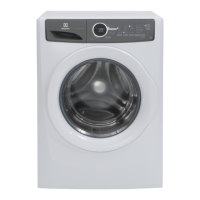
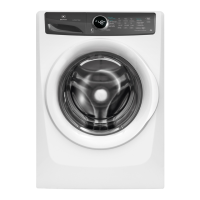
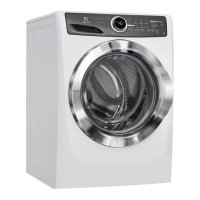
The Electrolux front-load washer is designed for washing clothes, offering various cycles and settings to accommodate different fabric types and soil levels. It utilizes a tumble action washing mechanism and is equipped with a dispenser system for liquid or powder detergent, stain additives, liquid chlorine bleach, and liquid fabric softener. Select models also feature a pre-wash chamber for stain treatment. The washer is designed to maximize detergent effectiveness and improve washing performance, with automatic regulation of wash water temperatures. It includes safety features such as a door lock during operation and an electrical overload protector. Certain models offer sanitization cycles (NSF P172 protocol compliant) to kill 99.9% of bacteria, and some include a "perfect steam™" option for enhanced cleaning. The appliance is designed for residential use, with specific warnings against commercial use.
Important Technical Specifications:
- Power Supply: Requires a properly grounded and polarized 3-prong outlet. Avoid using adapter plugs or extension cords.
- Water Supply: Requires both hot and cold water supply. Water pressure must be at least 30 psi (260 kPa). Hot water heater setting of 120°F (49°C) or higher is recommended for optimal performance, especially for sanitize cycles.
- Drain System: Features a flexible drain hose for carrying water to a standpipe. The maximum standpipe height is 8' (2.4 m), and a minimum of 23.6" (60 cm) is required to prevent siphoning.
- Internal Heater: On select models, an internal boost heater can heat wash water up to 152°F (67°C) for sanitization.
- Spin Speeds: Offers various spin speeds (Max, high, medium, low, no spin) to extract water and reduce drying time.
- Door: Reversible door on 500/600 series models, allowing for left or right side hinging.
- Safety Certifications: Sanitization cycles on heavy duty and whitest whites settings are designed to meet NSF Protocol P172 requirements.
- Detergent Type: Specifically designed for low-sudsing, high-efficiency (HE) detergents.
Usage Features:
- Cycle Selection: Users can select from various cycles such as heavy duty, whitest whites, normal, casual, colors, fast wash (20min, 18min, 15min depending on model series), delicates, rinse & spin, and clean washer. Cycle selection is done via a selector ring or buttons, with indicators for the chosen cycle.
- Customizable Settings:
- Temperature: Adjustable wash water temperatures (hot, warm, cold, eco cold) are available, with automatic regulation for optimal performance. Not all temperatures are available for every cycle.
- Soil Level: Adjusts wash time based on soil level (Max, heavy, normal, light, extra light).
- Spin Speed: Allows selection of spin intensity to control water extraction and wrinkling. "No spin" option is available for drip-drying items.
- Cycle Options:
- Stain Treatment (StainTreat, StainTreatII, StainSoak): Available on select models, these options add initial wash periods or specialized agitation with stain additives for heavily soiled or stained loads. StainTreatII and StainSoak offer specific stain types (Any Stain, Blood, Chocolate) with tailored heating.
- Perfect Steam™: On select models, adds approximately 20 minutes of tumbling in steam.
- Extra Rinse: Adds additional rinses for heavily soiled loads or sensitive skin.
- Wrinkle Release: Performs a "dry" agitation after the final spin to loosen garments and reduce wrinkling.
- Extended Refresh: Keeps the load fresh for up to 12 hours by performing rinse and spin cycles.
- Delay Start: Delays the start of a cycle for 30 minutes to 12 hours.
- Control Lock: Locks controls to prevent accidental operation, especially by children.
- Dispenser System: Three or four-chamber dispenser for laundry products. Users must add liquid or powder detergent, bleach, and fabric softener to designated compartments. Pod-type detergent packs should be added directly to the empty drum, not the dispenser drawer.
- Status Display: Shows estimated total cycle time, remaining time, and cycle phase indicators. Alerts for oversudsing ("SU dS") and reversed inlet hoses ("HO SE") are provided.
- Drum Light: On select models, illuminates the drum when the door is open for loading/unloading, automatically turning off after 3 minutes or when the door is closed.
- Door Stand Ventilation: Helps prevent odor buildup and reduce humidity by allowing the door to remain ajar. The stand below the door latch can be rotated to lock in an extended position.
- Chime: A signal sounds at the end of the cycle (and periodically during extended refresh) if activated.
- Eco Indicator: Lights up to indicate eco-friendly temperature, spin speed, and option combinations.
Maintenance Features:
- Routine Inside Cleaning (Preventative):
- Clean Washer Cycle: A dedicated cycle to clean and freshen the washer drum, recommended monthly or every 50 cycles (indicated by an illuminated clean washer cycle indicator). Requires adding liquid chlorine bleach or a washing machine cleaner to the detergent chamber (never both).
- Dispenser Drawer Cleaning: Recommended monthly to remove detergent and fabric softener residue. The drawer can be removed for thorough rinsing of compartments and inserts.
- Gasket Cleaning: Periodically wipe dry the folds in the flexible gasket to remove lint and debris, and to ensure a water-tight seal.
- Drum Cleaning: Wipe the drum with a nonabrasive household cleanser after washing extremely soiled items.
- Aggressive Inside Cleaning: For severe odor or residue buildup, a more intensive cleaning procedure involves using eight cups of bleach in the main wash detergent compartment with the clean washer cycle, followed by a rinse & spin cycle. For contaminated areas, a bleach cleaner on a scrub brush can be used.
- Outside Cleaning: Wipe top and sides with a damp cloth, clean the cabinet with mild soap and water (or diluted chlorine bleach for stains), and use a damp cloth for chrome parts.
- Water Inlet Hose Inspection: Periodically inspect hoses for wear, cuts, corrosion, and bulges. Hoses should be replaced every 5 years.
- Winterizing Instructions: For storage in freezing temperatures, specific steps are provided to drain water from hoses, add RV antifreeze to the drum, and run a short drain cycle to prevent damage.
- Reconnecting Water Supply and Electrical: Instructions for proper reinstallation after disconnection, including flushing water lines and checking for leaks.

 Need help?
 General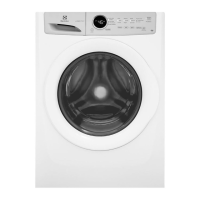


 To Next Page