DBA Essex PB&R Corporation
Technical Data Package for the EPOS
Revision: 4 Dated: 1/01/2012
GENERAL INFORMATION
Intended Use: The Essex Emergency Passenger Oxygen System (EPOS) is a self contained
protective breathing device intended for trained individuals in military aircraft emergencies
such as decompressions, fire, evacuation, rescue, smoke filled cabins, toxic fumes, and
hazardous cargo spills.
Duration of Use: All emergency rescue and escape situations are different, and it is not possible
to provide an exact duration time for all situations. Also, the size of the EPOS user will affect
usable life, with heavier individuals consuming oxygen more rapidly. However, for an average
male, the following typical escape situations are useful in predicting how long the EPOS will last:
* Sitting, waiting to be rescued Up to 60 minutes
* Waiting 17 minutes to be rescued, then rapid evacuation Up to 21 minutes
* Moderate walking (3 mph) Up to 18 minutes
* Rapidly walking, on a flat, out of a building Up to 8 minutes
* Rapidly walking up 15 flights of stairs Up to 3 minutes
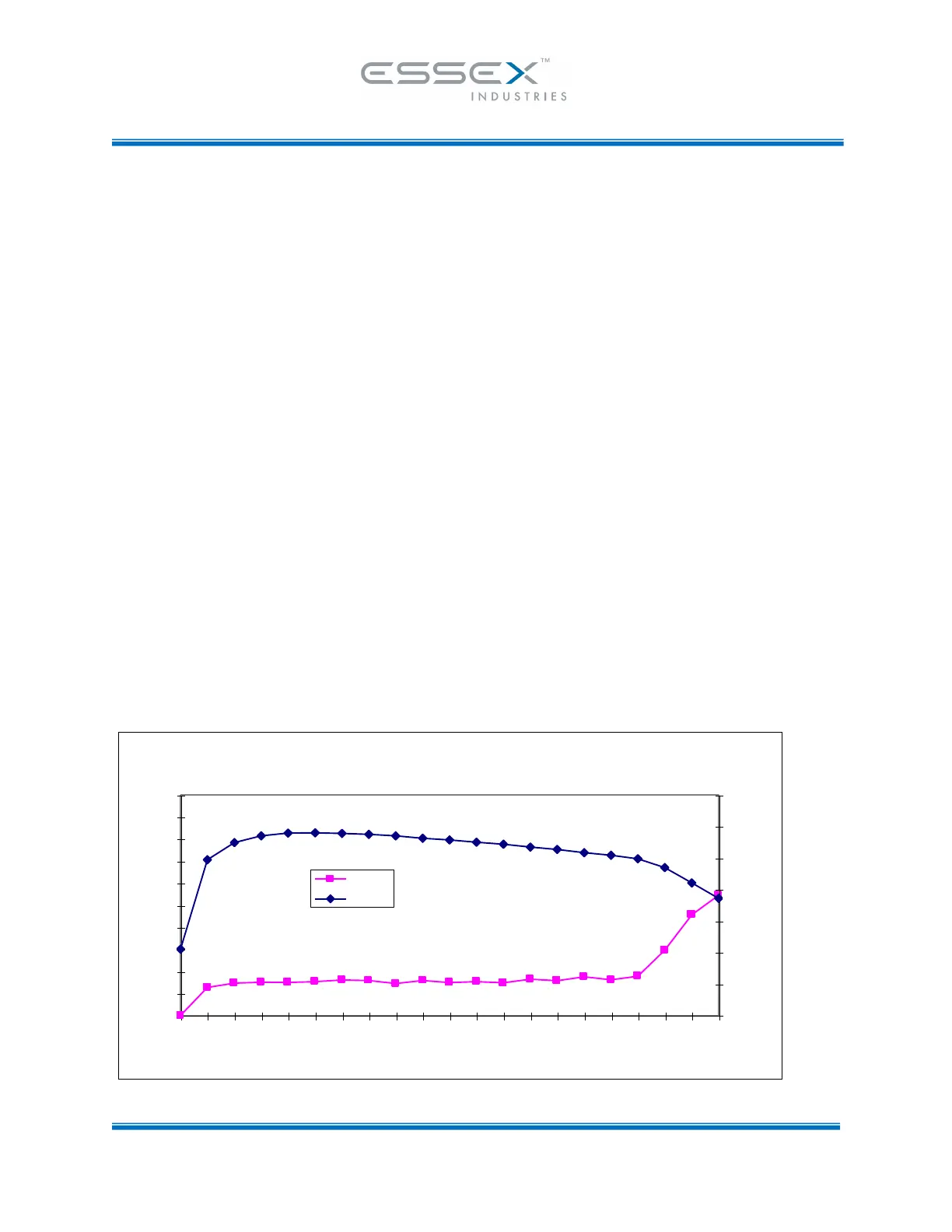
Figure 1 - is a graphical representation of actual interior hood conditions while a victim, with
the EPOS on, is sitting, waiting to evacuate. After help has arrived to assist the victim, or the
aircraft has landed, the victim has ample protection remaining to quickly flee from the scene of
the emergency. In this situation, carbon dioxide has built up to 5.5%. High levels of carbon
dioxide will be detected by the body's natural aversion, producing a feeling of high anxiety.
This is an automatic signal it is time to remove the EPOS.
EPOS Performance Sitting, Then Evacuation
0
1
2
3
4
5
6
7
8
9
10
0 1 2 3 4 5 6 7 8 9 10 11 12 13 14 15 16 17 18 19 20
Figure 1: Duration of the EPOS while the User is Seated, waiting to Evacuate



 To Next Page