Need help?
Do you have a question about the Fellow Ode and is the answer not in the manual?
Step-by-step instructions for initial setup and operation of the Ode Brew Grinder.
Guidance on adjusting the grind dial for optimal fineness and texture.
Advice on coffee freshness, bean storage, and brewing experimentation for better taste.
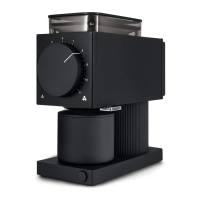
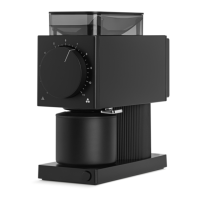
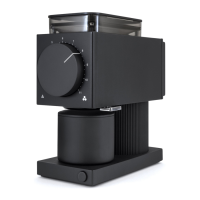
The Ode Brew Grinder is a sophisticated coffee grinder designed for home use, offering a quick start and brewing guide to help users achieve optimal coffee grounds for various brewing methods. Its primary function is to grind roasted whole coffee beans to a desired coarseness, ranging from fine to coarse, to suit different coffee preparation techniques.
The Ode Brew Grinder is engineered to provide precise and consistent coffee grounds. It features a grind dial that allows users to select from 11 different settings, with '1' being the finest and '11' being the coarsest. This wide range of settings ensures versatility, accommodating popular brewing methods such as Prismo AeroPress® attachment, AeroPress®, cupping, pour-over, electric coffee maker, French press, and cold brew. The grinder operates by processing whole coffee beans placed into a single-dose load bin. Once the desired grind size is selected and the power button is pressed, the grinder automatically begins grinding and stops a few seconds after the beans are fully processed. This automatic shut-off feature enhances user convenience and prevents over-grinding. The design emphasizes a clean and quiet operation, making it suitable for countertop placement without causing significant disturbance.
Grind Size Selection: The Ode Brew Grinder offers a user-friendly grind dial for precise control over the coarseness of the coffee grounds. Users can twist the dial to the left for finer grounds or to the right for coarser grounds, aligning with the desired number setting on the coarseness scale. A general guideline is provided, indicating recommended settings for various brewing methods (e.g., 1-2 for Prismo AeroPress®, 2-5 for Pour-Over, 6-10 for French Press, 9-11 for Cold Brew). It is advised not to use setting 1 for the first 10 lbs of coffee to prevent burr chirping and contact.
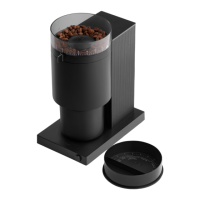
Single-Dose Load Bin: The grinder is designed for single-dose grinding, meaning users pour the desired quantity of roasted whole coffee beans into the load bin for each grinding session. The lid of the load bin is easily removed by lifting it off.
Automatic Grinding and Stop: After selecting the grind size and pressing the power button, the grinder initiates the grinding process. It automatically detects when the beans are done grinding and stops a few seconds later, eliminating the need for manual monitoring and ensuring efficient operation.
Grinds Knocker: A metal grinds knocker is integrated into the design to help eject excess coffee grinds from inside the chute. Before retrieving the catch, users can flick the knocker to ensure all grounds are dispensed, minimizing retention and maintaining cleanliness.
Magnetically Aligned Catch: The grinder includes a catch that is magnetically aligned to sit securely beneath the chute. This feature ensures that the ground coffee is collected neatly and prevents spillage. The catch also has easy pour fins inside, facilitating the transfer of grounds into a coffee maker without mess.
Coffee Freshness and Storage Recommendations: The manual emphasizes the importance of using fresh, whole bean coffee, ideally under four weeks old, as older beans can dry out and lose flavor, potentially causing static during grinding. It also advises against storing beans in the load bin. Optimal storage for coffee beans is in a temperature-controlled environment with limited oxygen and out of direct sunlight. The manual recommends using Atmos Vacuum Canisters to extend coffee shelf life by up to 50%.
Clearing Old Grinds: For users who do not use their grinder daily, it is recommended to clear any old grinds that may remain in the chute before each use. This is done by pre-grinding a small amount (e.g., 7g / 0.25oz) and discarding it, as old coffee residue can affect the taste of the next brew.
Brewing Experimentation: The guide encourages users to view coffee brewing as a chemistry experiment and to explore different types of coffees, volumes of doses, and grind sizes to discover their personal preferences. For pour-over brewing, if clogging occurs, it suggests trying a coarser grind.
While the manual primarily focuses on quick start and brewing, it implicitly touches upon maintenance through its recommendations:
Clearing Leftover Beans/Grinds: Before making grind adjustments, users are advised to run the grinder to clear any partially ground coffee beans that may remain between the burrs after the grinder is turned off. This practice helps maintain the grinder's performance and ensures accurate grind size adjustments.
Minimizing Chute Residue: The grinds knocker serves as a maintenance feature, helping to keep the chute clear of excess coffee grinds. Regular use of the knocker contributes to a cleaner grinder and prevents the buildup of old coffee residue, which can impact flavor.
Preventing Burrs from Chirping: The instruction not to use setting 1 for the first 10 lbs of coffee is a preventative maintenance tip, aimed at protecting the burrs from premature wear or damage that could occur if they hit each other.
For more detailed maintenance instructions, the manual refers users to a separate "Safety and Maintenance guide," indicating that comprehensive care instructions are available to ensure the longevity and optimal performance of the Ode Brew Grinder.
 General
| Grind Settings | 31 |
|---|---|
| Burr Type | Flat |
| Burr Size | 64 mm |
| Hopper Capacity | 80 g |
| Weight | 4.5 kg |
| Burr Material | Stainless Steel |
| Retention | Low Retention |
| Motor | DC motor |
| Auto-Stop | Yes |
| Motor Speed | 1400 RPM |
| Voltage | 120 V |
| Material | Aluminum and Plastic |
| Intended Use | Home Brewing |

 To Next Page