EasyManua.ls Logo

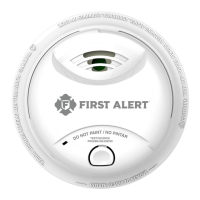
First Alert 0827 - User Manual

First Alert 0827
5 pages
Print Icon
To Next Page IconTo Next Page
Loading...
User’s ManUal
IntrodUctIon
Thank you for choosing First Alert
®
for your Smoke Alarm needs. You
have purchased a state-of-the-art Smoke Alarm designed to provide
you with early warning of a fire. Please take the time to read this manual
and make the Smoke Alarm an integral part of your family’s safety plan.
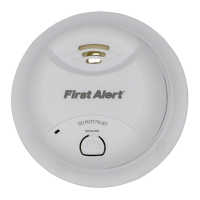
Key Features of the 0827 Smoke Alarm:
Tamper Resistant Lithium Battery Pack: Provides continuous power
for up to 10 years. Battery Pack cannot be removed and is not replace-
able.
Single Test/Silence Button: Allows you to test the Alarm or silence
nuisance alarms. Testing the Alarm assures you that the unit is function-
ing correctly and ready to protect you and your family. The Alarm can
be silenced for up to 10 minutes in the event of a nuisance alarm.
End of Life warning: The Alarm will sound a “chirp” once per min-
ute when the Alarm reaches the end of its service life and needs to be
replaced.
Blinking Power Indicator: Confirms that the Smoke Alarm is receiving power.
© 2014 BRK Brands, Inc. All rights reserved. Distributed by
FIre saFetY tIps
Follow
safety rules and prevent hazardous situations: 1) Use smoking
materials properly. Never smoke in bed. 2) Keep matches or lighters
away from children; 3) Store flammable materials in proper containers;
4) Keep electrical appliances in good condition and don’t overload elec-
trical circuits; 5) Keep stoves, barbecue grills, fireplaces and chimneys
grease- and debris-free; 6) Never leave anything cooking on the stove
unattended; 7) Keep portable heaters and open flames, like candles,
away from flammable materials; 8) Don’t let rubbish accumulate.
Keep alarms clean, and test them weekly. Replace alarms immediately if
they are not working properly. Smoke Alarms that do not work cannot alert
you to a fire. Keep at least one working fire extinguisher on every floor, and
an additional one in the kitchen. Have fire escape ladders or other reliable
means of escape from an upper floor in case stairs are blocked.
BeFore YoU Install thIs sMoke alarM
IMPORTANT! Read “Recommended Locations for Smoke Alarms” and
“Locations to Avoid for Smoke Alarms” before beginning. This
unit monitors the air, and when smoke reaches its sensing chamber,
it alarms. It can give you more time to escape before fire spreads. This
unit can ONLY give an early warning of developing fires if it is installed,
maintained and located where smoke can reach it, and where all
residents can hear it, as described in this manual. This unit will not
sense gas, heat, or flame. It cannot prevent or extinguish fires.
Understand The Different Type of Smoke Alarms
Battery powered or electrical? Different Smoke Alarms provide
different types of protection. See “About Smoke Alarms” for details.
Know Where To Install Your Smoke Alarms
Fire Safety Professionals recommend at least one Smoke Alarm on every
level of your home, in every bedroom, and in every bedroom hallway
or separate sleeping area. See “Recommended Locations For Smoke
Alarms” and “Locations To Avoid For Smoke Alarms” for details.
Know What Smoke Alarms Can and Can’t Do
A Smoke Alarm can help alert you to fire, giving you precious time to
escape. It can only sound an alarm once smoke reaches the sensor. See
“Limitations of Smoke Alarms” for details.
Check Your Local Building Codes
This Smoke Alarm is designed to be used in a typical single-family home.
It alone will not meet requirements for boarding houses, apartment
buildings, hotels or motels. See “Special Compliance Considerations” for
details.
All First Alert
®

         
           
Ionization technology is generally more sensitive than photoelectric
technology at detecting small particles, which tend to be produced
in greater amounts by flaming fires, which consume combustible
materials rapidly and spread quickly. Sources of these fires may include
paper burning in a wastebasket, or a grease fire in the kitchen.
Photoelectric technology is generally more sensitive than ionization
technology at detecting large particles, which tend to be produced
in greater amounts by smoldering fires, which may smolder for
hours before bursting into flame. Sources of these fires may include
cigarettes burning in couches or bedding.

       
 
         
        
 
          
          

 
          
         
       
 
           
         
 
        
         
        
 
             
     
 
        
1
BEDROOM
BEDROOM
HALL
LIVING ROOM KITCHEN
FINISHED BASEMENT
REQUIRED TO MEET
NFPA RECOMMENDATIONS
RECOMMENDED FOR
ADDITIONAL PROTECTION
BEDROOM
BEDROOM
KITCHEN
LIVING ROOM
DINING ROOM
MULTI-STORY RESIDENCE
SINGLE-STORY RESIDENCE, APARTMENT,
MOBILE HOME
KEY:
EXISTING HOMES
SMOKE ALARMS WITH SILENCE
FEATURES RECOMMENDED FOR
ADDITIONAL PROTECTION
INTERCONNECTED AC OR
AC/DC SMOKE ALARMS
BEDROOM
BEDROOM
HALL
LIVING ROOM KITCHEN
FINISHED BASEMENT
REQUIRED TO MEET
NFPA RECOMMENDATIONS
RECOMMENDED FOR
ADDITIONAL PROTECTION
BEDROOM
BEDROOM
LIVING ROOM
DINING ROOM
MULTI-STORY RESIDENCE
SINGLE-STORY RESIDENCE, APARTMENT,
MOBILE HOME
KEY:
NEW CONSTRUCTION
SMOKE ALARMS WITH SILENCE
FEATURES RECOMMENDED FOR
ADDITIONAL PROTECTION
KITCHEN

  
This user’s manual contains
important information about
your Smoke Alarm’s operation.
If you are installing this Smoke
Alarm for use by others, you
must leave this manual—or a
copy of it—with the end user.
Model 0827
CONFORMS TO
UL STD 217
sMoke alarM WIth ten-Year
non-replaceaBle lIthIUM BatterY pack
and end oF lIFe notIFIcatIon FeatUre
Question and Answer IconNeed help?

Do you have a question about the First Alert 0827 and is the answer not in the manual?

Summary

Introduction to Your Smoke Alarm

Key Features of the 0827 Smoke Alarm

Highlights the main features of the 0827 model, including battery, test button, and end-of-life warning.

Fire Safety Tips and Installation Preparation

Before You Install This Smoke Alarm

Covers essential considerations and information before commencing the installation process.

Installation and Testing Procedures

How to Install This Smoke Alarm

Step-by-step instructions for mounting the smoke alarm bracket and attaching the unit.

Activating the Alarm

Instructions on how to activate the smoke alarm unit prior to installation.

Weekly Testing

Guidance on the importance and method of testing the smoke alarm weekly.

Regular Maintenance

Procedures for cleaning and maintaining the smoke alarm for optimal performance.

To Permanently Deactivate the Smoke Alarm

Instructions on how to deactivate the sealed smoke alarm unit.

Responding to an Alarm

What to do when the smoke alarm sounds, including silencing nuisance alarms.

What to Do in Case of Fire

Essential steps and actions to take during a fire emergency.

Using the Silence Feature

Explanation of how to temporarily silence nuisance alarms.

Troubleshooting and Location Recommendations

If You Suspect a Problem

Guidance on diagnosing and resolving issues with the smoke alarm's operation.

Recommended Locations for Smoke Alarms

Detailed placement advice for smoke alarms in various home configurations.

Placement Guidelines and Alarm Information

Locations to Avoid for Smoke Alarms

Identifies areas where smoke alarms should not be installed for optimal performance.

Smoke Alarm Limitations and Compliance

Limitations of Smoke Alarms

Discusses the inherent limitations of smoke alarms and factors affecting their performance.

Summary

Introduction to Your Smoke Alarm

Key Features of the 0827 Smoke Alarm

Highlights the main features of the 0827 model, including battery, test button, and end-of-life warning.

Fire Safety Tips and Installation Preparation

Before You Install This Smoke Alarm

Covers essential considerations and information before commencing the installation process.

Installation and Testing Procedures

How to Install This Smoke Alarm

Step-by-step instructions for mounting the smoke alarm bracket and attaching the unit.

Activating the Alarm

Instructions on how to activate the smoke alarm unit prior to installation.

Weekly Testing

Guidance on the importance and method of testing the smoke alarm weekly.

Regular Maintenance

Procedures for cleaning and maintaining the smoke alarm for optimal performance.

To Permanently Deactivate the Smoke Alarm

Instructions on how to deactivate the sealed smoke alarm unit.

Responding to an Alarm

What to do when the smoke alarm sounds, including silencing nuisance alarms.

What to Do in Case of Fire

Essential steps and actions to take during a fire emergency.

Using the Silence Feature

Explanation of how to temporarily silence nuisance alarms.

Troubleshooting and Location Recommendations

If You Suspect a Problem

Guidance on diagnosing and resolving issues with the smoke alarm's operation.

Recommended Locations for Smoke Alarms

Detailed placement advice for smoke alarms in various home configurations.

Placement Guidelines and Alarm Information

Locations to Avoid for Smoke Alarms

Identifies areas where smoke alarms should not be installed for optimal performance.

Smoke Alarm Limitations and Compliance

Limitations of Smoke Alarms

Discusses the inherent limitations of smoke alarms and factors affecting their performance.

Overview

This document describes the First Alert Model 0827 Smoke Alarm, a state-of-the-art device designed to provide early warning of a fire. It is equipped with a ten-year non-replaceable lithium battery pack and an end-of-life notification feature.

Function Description

The First Alert Model 0827 Smoke Alarm is designed to detect particles of combustion, conforming to regulatory requirements including UL217. It utilizes ionization technology, which is generally more sensitive at detecting small particles typically produced by flaming fires that consume combustible materials rapidly and spread quickly. Examples of such fires include paper burning in a wastebasket or a grease fire in the kitchen. For maximum protection, it is recommended to use both types of smoke alarms (ionization and photoelectric) on each level and in every bedroom of your home. This unit monitors the air, and when smoke reaches its sensing chamber, it alarms, providing more time to escape before fire spreads. It can ONLY give an early warning of developing fires if it is installed, maintained, and located where smoke can reach it, and where all residents can hear it, as described in this manual. This unit will not sense gas, heat, or flame, and it cannot prevent or extinguish fires.

Usage Features

The smoke alarm features a tamper-resistant lithium battery pack that provides continuous power for up to 10 years. The battery pack cannot be removed or replaced. A single Test/Silence button allows users to test the alarm or silence nuisance alarms. Testing the alarm assures that the unit is functioning correctly and is ready to protect your family. The alarm can be silenced for up to 10 minutes in the event of a nuisance alarm. An end-of-life warning feature causes the alarm to sound a "chirp" once per minute when it reaches the end of its service life and needs to be replaced. A blinking power indicator confirms that the smoke alarm is receiving power.

To activate the alarm, turn it upside down and pull out the activation tab. After activation, it is crucial to test the smoke alarm by pressing and holding the test button until the alarm sounds. During testing, a loud, repeating horn pattern of "3 beeps, pause, 3 beeps, pause" will be heard. If the unit does not alarm during testing, contact Consumer Affairs for assistance. Once activated and tested, the unit can be attached to the mounting bracket by pushing it towards the bracket and turning it clockwise until it snaps into place. A locking feature is available to discourage unauthorized removal of the alarm, which is not necessary in single-family households where unauthorized alarm removal is not a concern. This feature involves detaching a locking pin from the mounting bracket and inserting it into a notch on the base of the alarm before attaching it to the bracket. To unlock, a flathead screwdriver is used to pry the smoke alarm away from the bracket while turning both the screwdriver and the alarm counterclockwise.

In the event of an alarm, a loud, repeating horn pattern of "3 beeps, pause, 3 beeps, pause" will sound, and a red LED will flash. If the unit alarms and you are not testing it, it indicates a potentially dangerous situation requiring immediate attention. Never ignore any alarm, as doing so may result in injury or death. The Silence Feature can temporarily quiet an unwanted alarm (e.g., caused by cooking smoke) for up to 10 minutes. To use this feature, press the "Test/Silence" button. The alarm remains functional during this period, and the LED will flash every 10 seconds to remind you that the alarm has been silenced. The flashing LED will stop when the unit returns to normal operation. It is important to note that the Silence Feature does not disable the unit but makes it temporarily less sensitive to smoke. If smoke around the unit is dense enough to suggest a potentially dangerous situation, it will stay in alarm or may re-alarm quickly. If the source of the smoke is unknown, do not assume it is an unwanted alarm.

Maintenance Features

The smoke alarm is designed to be as maintenance-free as possible, but regular maintenance is crucial for proper operation. It is important to test the unit at least once a week using the built-in test switch. Never use an open flame to test the unit, as this could cause damage or fire. If the alarm ever fails to test properly, it should be replaced immediately.

The smoke alarm should be cleaned at least once a month. This can be done by gently vacuuming the outside of the unit using a household vacuum's soft brush attachment or by using a can of clean compressed air. Always follow the manufacturer's instructions for compressed air. Never use water, cleaners, or solvents, as they may damage the unit. If the smoke alarm becomes contaminated by excessive dirt, dust, or grime and cannot be cleaned to avoid unwanted alarms, the unit should be replaced immediately. If the unit sounds frequent unwanted alarms, it should be relocated.

When the battery pack becomes weak, or when the unit reaches its end of service life (after 10 years), the smoke alarm will "chirp" about once a minute. This "End of Life" warning should last for 7 days, and the smoke alarm should be replaced immediately to continue protection. To permanently deactivate the smoke alarm at the end of its service life, use a flathead screwdriver to score the label along the dotted line, then use your thumb to pull the deactivation tab outward until it snaps into place. This action will discharge the battery pack and deactivate the unit, preventing it from detecting smoke or alarming. Once deactivated, the unit cannot be reactivated, and a new smoke alarm must be installed immediately. The alarm will resist mounting to the bracket after deactivation.

It is crucial not to paint over the unit, as paint may clog the openings to the sensing chamber and prevent the unit from operating properly.

First Alert 0827 Specifications

General IconGeneral
BrandFirst Alert
Model0827
CategorySmoke Alarm
LanguageEnglish

Related product manuals