Models 5843, 5844, 5843S and 5844S
RS232 or TTL
2-
9
NOTE
The communication logic and control software of the Master IED must be able to manage the receipt of its
echoed request
. The receipt of the echo can be used in conjunction with a watchdog timer to continuously
verify loop integrity.
23 5
IED
TR
COM
ON
OFF
23 5
IED
TR
COM
ON
OFF
23 5
IED
TR
COM
ON
OFF
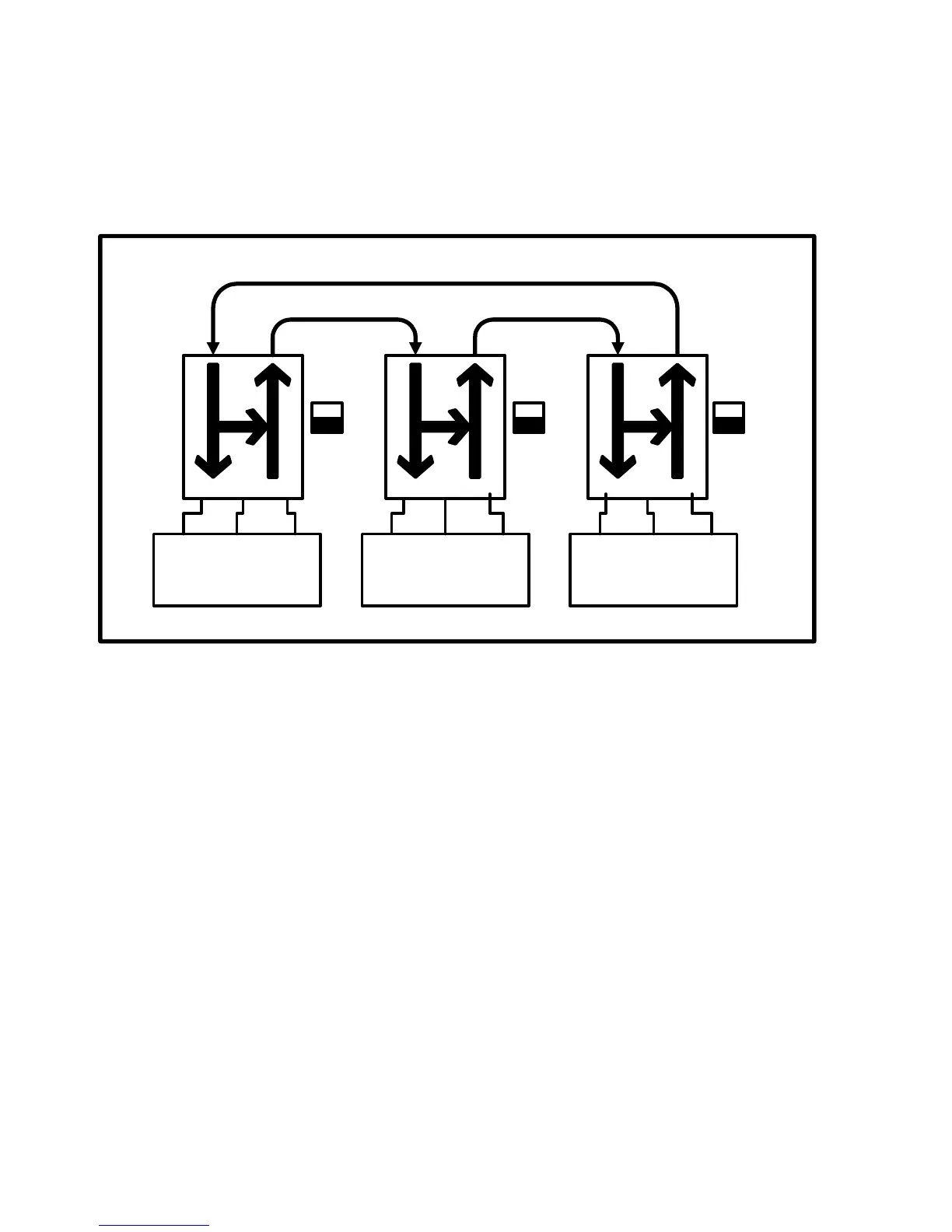
FIGURE 9. Peer-to-Peer Loop Configuration
When the potential on pin 7 is low, signals received on the R optical port are delivered to the IED and are
repeated out the T optical port to the next device in the loop. A high potential on pin 7 causes signals received
on the R optical port to be delivered to the IED only and are not repeated out the T port. It is not necessary for
a Slave to raise the potential of its pin 7 to transmit.
After an IED has completed its tasks mastering the loop, it must return its pin 7 to a low potential enabling its
r
epeater function, re-establishing loop continuity for the next IED that becomes loop Master.
NOTE
Powering and Controlling pin 7 is ignored in all configurations except Peer-to-Peer loop operation.
Half duplex communication is available with this configuration.
When an IED is in the Slave state, it should not attempt to initiate a transmission while it is receiving a signal.
Sinc
e signals being received are also being repeated at the same time, any attempt to transmit its response
while still receiving, can corrupt both transmissions due to a data collision.
NOTE
Any Link/Repeater that has its Repeat Switch in the "OFF" position and has a high potential on pin 7 will not
rep
eat signals received on its R optical port out of its T port. Only transmissions initiated by its IED are
transmitted out its T optical port.


 To Next Page
 Loading...