The technique of intrinsically safe design and construction is defined in the European Standard
EN50020:1995. The technique identifies potential sources of ignition (by spark or by heat) and specifies the
design of safety circuits that limit the energy of the spark and/or the component temperatures such that they
cannot ignite the gases expected within the hazardous area. There are two categories if intrinsically safe
instruments;
1. ‘ia’ The safety circuits used will prevent the generation of a spark or temperature capable of igniting
the gas even if the instrument develops TWO faults.
‘ib’ The safety circuits used will prevent the generation of a spark or temperature cable of igniting the
gas even if the instrument develops ONE fault.
_________________________________________________________________________________________
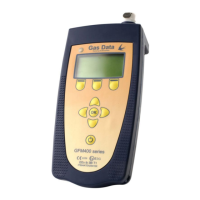
The GFM400 Series is designed to meet the requirements of category “ib”.
By testing components in fault conditions (as required by ‘ib’) the worst-case temperature within the
instrument is determined. This is used to give the instrument a temperature classification. A guide to
temperature classifications is given below.


 To Next Page
 Loading...