5
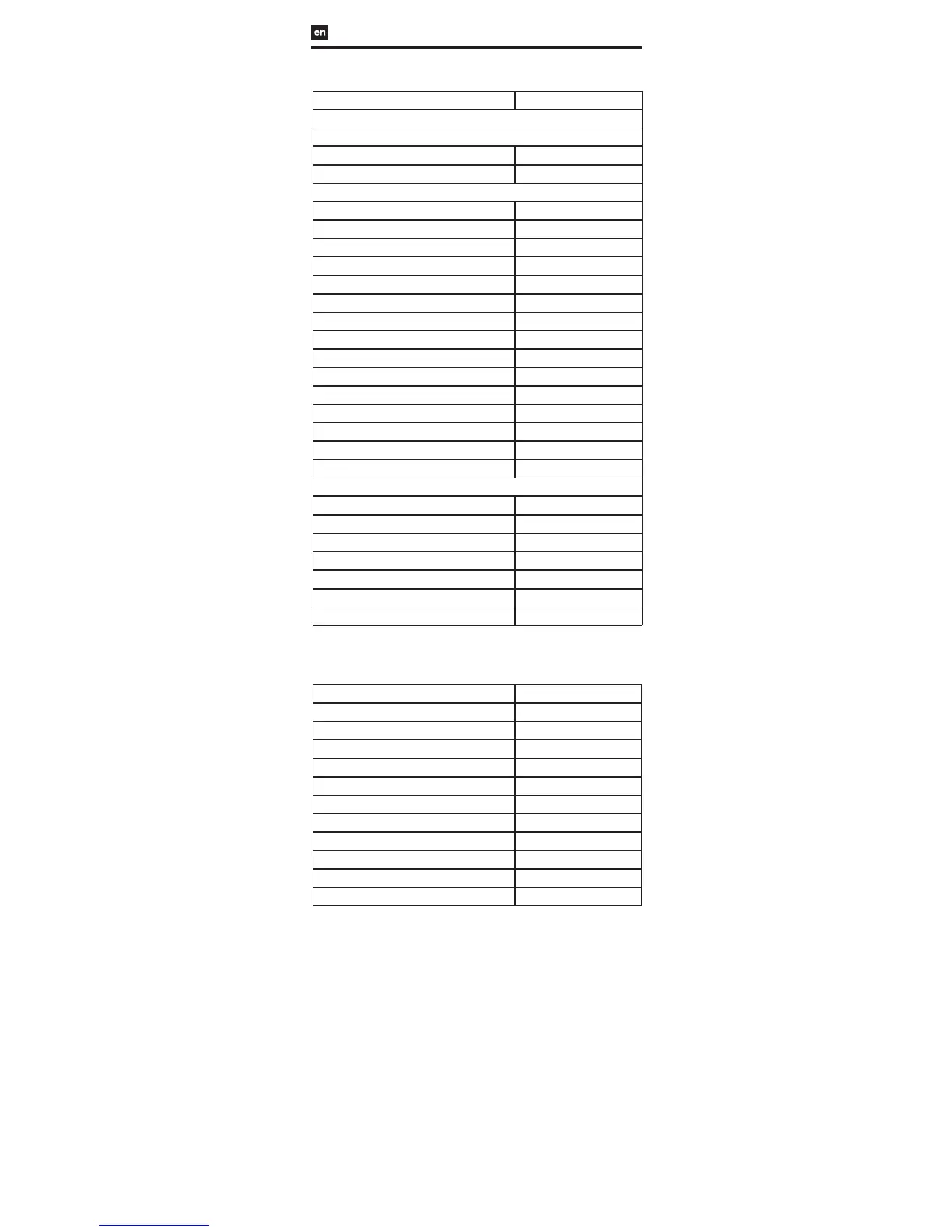
Table 2. Subject Demographics and Defect Characteristics – Pivotal
Study
Number of Subjects 50
Patient Demographics
Gender
Male 23 (46.0%)
Female 27 (54.0%)
Race
Black or African American 8 (16.0%)
White or Caucasian 39 (78.0%)
Other Race 4 (8.0%)
Age (years) N = 50
Mean (Std Dev) 19.7 (21.0)
Median 7.4
(Min, Max) (3.4, 68.3)
Height (cm) N = 50
Mean (Std Dev) 133.0 (33.6)
Median 121.5
(Min, Max) (40.5, 188.0)
Weight (kg) N = 50
Mean (Std Dev) 45.1 (32.3)
Median 27.6
(Min, Max) (11.9, 133.6)
Defect Characteristics
Stop Flow Balloon Defect Size (mm) N=49
Mean (Std Dev) 11.9 (3.4)
Median 12.0
(Min, Max) (5.7, 17)
Atrial Septal Aneurysm
1
14.0% (7/50)
Deficient Retroaortic Rim
2
26.0% (13/50)
Multiple Fenestrations 20.0% (10/50)
1
Protrusion of the septum ≥10 mm from baseline in either direction or ≥15 mm total septal
excursion
2
Measured as <5 mm
Table 3. Subject Medical History – Pivotal Study
Number of Subjects 50
Cardiac Arrhythmia 8 (16.0%)
Hypertension 5 (10.0%)
Migraines 8 (16.0%)
Diabetes Mellitus 4 (8.0%)
Previous Cardiac Surgeries 2 (4.0%)
Non-ASD Cardiac Disorders 27 (54.0%)
Vascular Disorders 3 (6.0%)
History of Stroke and/or TIA 4 (8.0%)
Birth/Genetic Defects 9 (18.0%)
Neurological Disorders 7 (14.0%)
Pulmonary/Respiratory Disorders 14 (28.0%)
A wire frame fracture was observed in 9.3% (4/43) of subjects with fluoroscopic
evaluation completed at 6 months. No fractures were associated with device
instability or clinical sequelae.
Procedure and Endpoint Outcomes
Primary, safety, and efficacy endpoint results are shown in Table 4. All subjects
with an atrial septal aneurysm, multiple fenestrations or deficient retroaortic
rim who received a GORE® CARDIOFORM Septal Occluder had complete clinical
closure and no Serious Adverse Events at 6 months.


 To Next Page
 Loading...