4 - LIGHTING AND USE
Important at rst start: may come o a few drops
of condensed water from the stove, produced by
the humidity of the environment where the stove
was stored.
It is very important that the rst me the heater is
lit, it is done so slowly.
This is for the following reasons:
• Stabilise cast iron parts.
• Harden the joint sealant puy.
Advise:
• We recommend that the rst loads of fuel be
small.
• To generate draw, heat the chimney by
introducing some burning paper in the gap
between the front and the deector, direcng
it toward the chimney.
• While lighng for the rst me, ensure the room
where the heater is located is well venlated as
the paint work may let o some fumes.
• Keep the stove on for a few hours at this
intensity.
• IMPORTANT! The total height of the re load
should not exceed 50% of the height of the
combuson chamber.
• The heater must be closed at all mes during
combuson to prevent smoke from leaking
out. Only open to add fuel.
• When the stove is running , opening operaons
must be performed slowly to avoid smoke exit
and an accidental burn.
• The glasses are ceramics to radiate the
maximum heat. They can reach high
temperatures.
Daily use
Aer lighng up for the rst me, your heater will
be ready for daily use.
Your heat requirements will be obtained based on
the frequency and the amount of rewood you
load.
When your heater is cold, we recommend lighng
it up slowly.
Overheang.
Overheang means that you have operated
your heater at a excessively high temperatures
for a long period of me. This can damage your
appliance and, therefore, it is a situaon that must
be avoided.
Overheang is the result of excessive draw, due to
any of the following reasons:
• The Primary Air Valve is excessively open for
the type of wood being used.
• The chimney is too high.
• Improper maintenance of the stove, which may
result in air inltraon.
• Inappropriate fuel that produces high
temperatures.
• Door not closed correctly.
ATTENTION!
Any uncontrolled intake of air produces overheang
that can damage the stove.
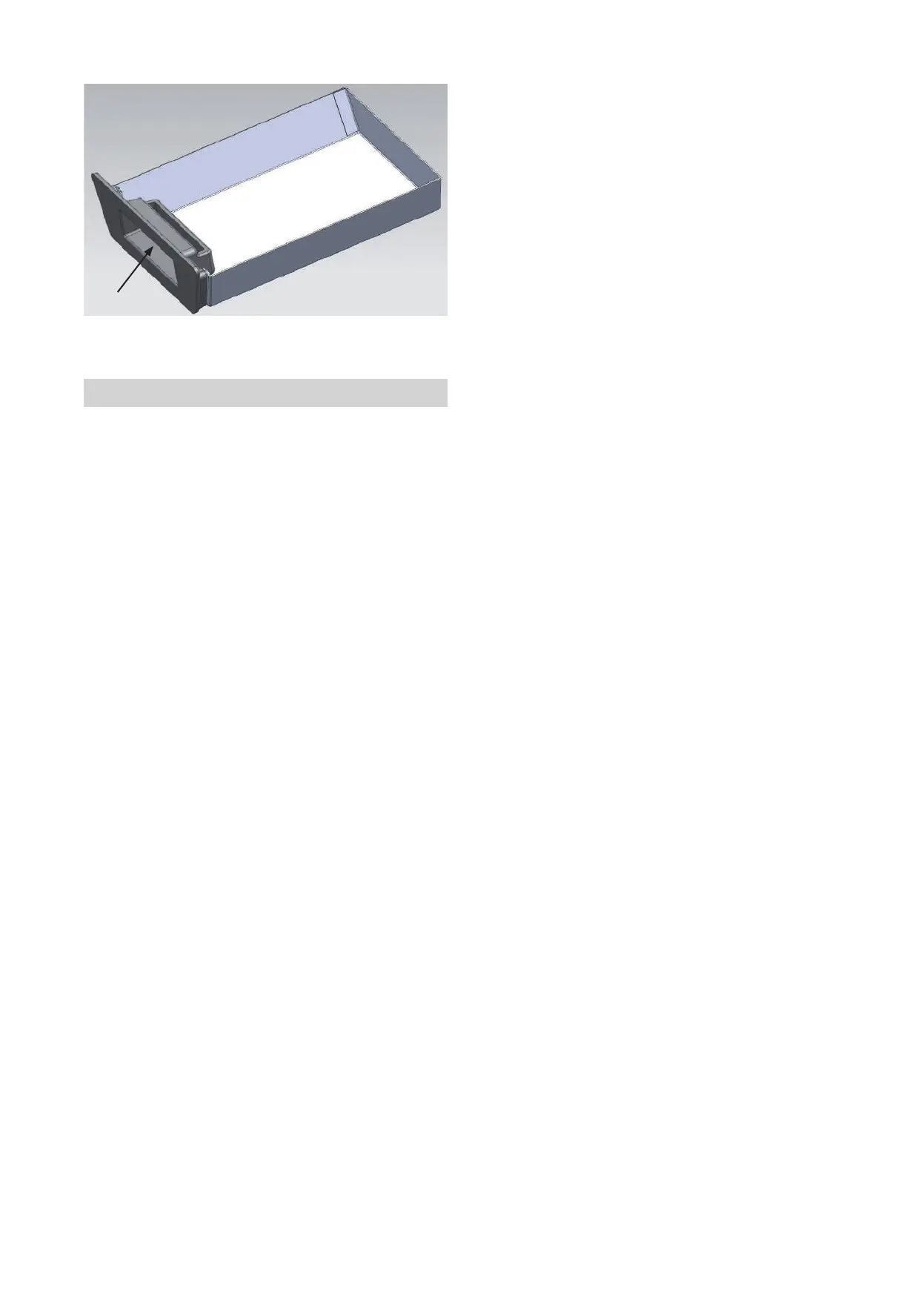
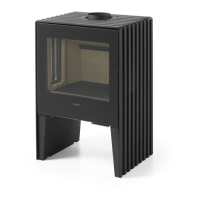
Handle
FIG. 5


 To Next Page