The egg provides a complete food store for proper embryo development except
gaseous oxygen, which enters the egg through pores in the shell. Breeding
stock must be fed a well-balanced diet to fully meet the embryos' nutrient
requirements.
The deficient nutrients are usually vitamins or minerals. A deficiency of these
in the breeders' diet may not show any ill effects in the breeders, though
hatchability may be affected, which is why different categories are fed specific
diets. Nutritional deficiencies, such as a lack of riboflavin, are the main causes
of embryo mortality during the middle stage of incubation (i.e. between the
12th and 14th days).
Hens' vitamin and mineral requirements for laying eggs are lower than those of
breeders. The breeder's diet should begin six to eight weeks before hatching eggs
are required, with particular attention to vitamin A, D3, riboflavin, pantothenic
acid, biotin, folic acid, vitamin B12 and the mineral man anese.
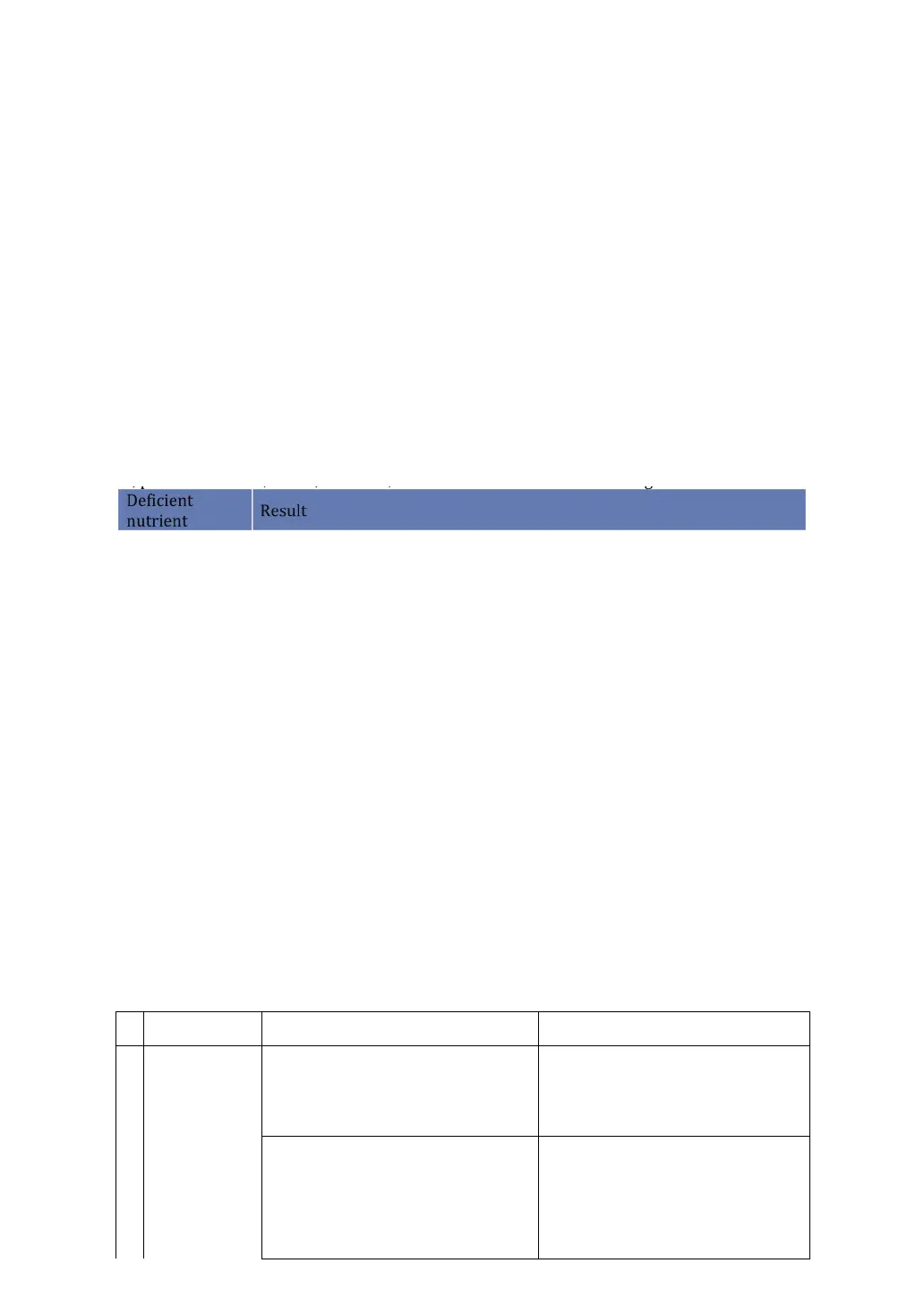
Riboflavin
Leads to poor hatchability with a high incidence of
malformed embryos, which are excessively moist
Pantothenic
Lowers hatchability and causes a high incidence of
apparently normal
acid
embryos to die over the last two or three days of
incubation
Biotin,
choline
Leads to abnormal development of the embryo and
a condition known
and
manganese
as enlarged hock/slipped Achilles tendon
B12
Leads to a rapid decrease in hatchability and a
progressively poorer
survival of chicks that do hatch
3. Incubation faults and causes checklist
How to locate and recti faults in incubation techni ue
#
Problem
Probable causes
Action
1
Too many
clears or
infertile
eggs
(a) Wrong proportion of
males to females
(a) Check mating ratios
according to breeder's
recommendations
(b) Male is
undernourished
(b) See that cockerels
are able to feed
separately, otherwise
hens ma eat all the feed


 To Next Page
 Loading...