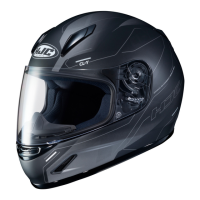
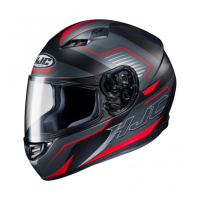
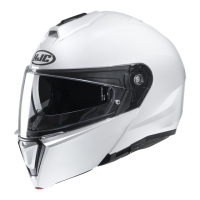
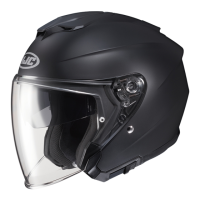
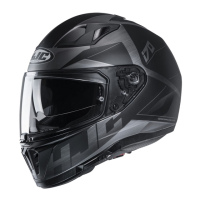
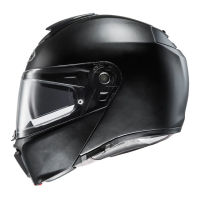
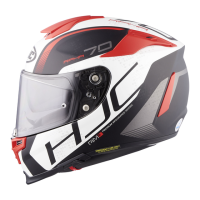
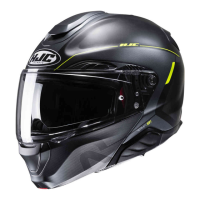
The HJC C80 is an advanced polycarbonate composite modular helmet designed for motorcycle riders, offering a blend of lightweight construction, superior fit, and comfort through advanced CAD technology. It is ECE approved and available in sizes from XS to 2XL.
Function Description:
The C80 helmet serves as protective headwear for motorcycle riders, designed to mitigate injuries in the event of an accident. Its modular design allows the chin bar to be opened, offering versatility for different riding conditions or when stopped. An integrated sunlight film provides quick and easy sun protection, while a robust retention system ensures the helmet stays securely in place. The helmet is equipped with features that enhance rider comfort, visibility, and ease of maintenance.
Important Technical Specifications:
- Shell Material: Advanced Polycarbonate Composite Shell, utilizing advanced CAD technology for a lightweight structure and optimal fit.
- Sunlight Film: Integrated Black Dark Smoke Sunlight film, operated by a new wire system with an easy-to-reach lever.
- Interior Fabric: SuperCool Interior with advanced anti-bacterial fabric, designed for enhanced moisture-wicking and quick-drying properties.
- Pads: Removable and washable crown and cheek pads. Cheek pads are interchangeable across all shell sizes.
- Retention System: Micro Buckle.
- Shield: XD-16 Shield, pin-prepared for an anti-fog lens and includes an anti-fog insert lens.
- Shield Replacement System: Simple and secure ratchet system for ultra-quick, tool-less removal and installation.
- Glasses Grooves: Designed to accommodate riders wearing eyeglasses and sunglasses.
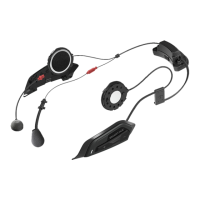
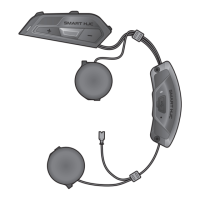
- Speaker Pockets: Integrated for Bluetooth communication systems.
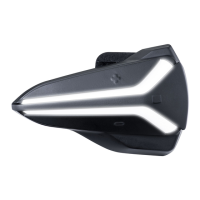
- Smart HJC Ready: Compatible with SMART HJC communication systems (sold separately).
- Certification: ECE Approved.
- Available Sizes: XS to 2XL.
Usage Features:
- Proper Fit: Emphasizes the importance of selecting the correct helmet size. Riders are instructed to measure their head, consult a sizing chart, and perform a fit test to ensure the helmet fits snugly without obstructing vision. The fit test involves trying to rotate the helmet while holding the head still; the helmet should move the skin on the head and face, not slide independently. The C80 is designed for use with the chin bar in the closed and locked position for optimal fitting.
- Retention System (Chin Strap): Must be fastened as tight as possible under the jaw without causing pain, ensuring no slack. A retention system test involves attempting to push the helmet off by rotating it forward and backward.
- Modular Chin Bar Operation: To open, pull the lever forward and push the bar upward until a "click" sound is heard, indicating it's in the full open position. To close, pull the chin bar downward until it completely covers the face and chin, listening for a "click" sound to confirm it's locked. Riders are warned against operating the chin bar while riding and are advised to ride with it in the closed position for maximum protection.
- Sunlight Film Operation: The integrated sunlight film is deployed and retracted using a lever. Riders are cautioned not to operate it while riding, not to pull on it when already down, and not to use it at night. It is intended for daytime use only and does not provide eye protection; the clear shield should also be in a closed position when the sunlight film is in use.
- Shield Removal and Installation: The shield can be removed by opening it to the fully opened position and pulling it outward from the ratcheting plate. Installation involves aligning the top of the shield guide into the plate-gear guide and pressing the lower section until the locking tab pops into position.
- Crown Pad Removal and Installation: Crown pads are removed by grasping the fabric close to its plastic base and prying it away. Installation involves aligning the plastic shell base and crown pad plastic sleeve, pressing the center portion into the channel, and snapping the rear snaps into place.
- Cheek Pad Removal and Installation: Cheek pads are held by three snaps. To remove, gently pry them away from the interior and pull them free from the chin strap. Installation involves feeding the chin strap through the opening, sliding the plastic plate between the shell and EPS, and clipping the male snaps to the female snaps on the shell interior.
Maintenance Features:
- Shell Cleaning: HJC recommends using products designed for automotive cleaning and polishing for glossy finishes. Rubbing compounds can be used for deep cleaning, but over-polishing should be avoided. For non-glossy (flat) finishes, warm water and mild soap are recommended, avoiding excessive pressure or rubbing compounds. Stickers and decals should be removed with alcohol swabs, followed by soap and water. Helmets should be cleaned from dust, bugs, or grass within one day.
- Interior Cleaning: Removable crown and cheek pads can be hand-washed or machine-washed on a "Delicate" setting and air-dried. Spin-dryers are not recommended. For non-removable interiors, anti-bacteria and mildew eliminating products are suggested.
- Vent Cleaning: Compressed air cans can be used to blow debris from the ventilation system. It is recommended to remove any removable pads before this process.
- Shield Cleaning: The polycarbonate shield with a polyurethane abrasion resistance coating should be cleaned with mild soap and warm water. Hot water, salt water, benzene, thinner, gasoline, or other harsh agents are not to be used. Commercial shield cleaners are also not recommended. Deeply scratched shields should be replaced.
- Inspection: Before each ride, inspect the helmet for damage, including the shield, shield ratchet, and retention system. Check that all pads (cheek and crown) are in place.
- Helmet Replacement: HJC helmets are designed for ONE impact and should be replaced immediately after any impact, even if damage is not visible. The shell, lining, or retention system must be in good condition. Even without damage, helmets should be replaced every 3 to 5 years due to aging from UV rays and adhesive deterioration.
- Disposal: When a new helmet is purchased, the old one should be destroyed to prevent reuse, as the protective foam adjusts to the user's head over time, making it less protective for others.
- Storage: Store the helmet and shield in a cool, dry place, away from pets, other animals, and heat exceeding 50°C. Prolonged sun exposure can cause fading.
- Modifications: Riders are warned against modifying the helmet, including drilling holes, cutting the shell or strap, modifying the retention system, removing parts, painting, or attaching non-HJC accessories, as this can compromise safety and void the ECE R 22-05 standard.

 Need help?
 General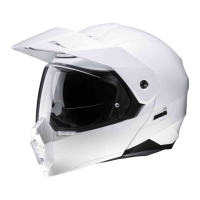

 To Next Page