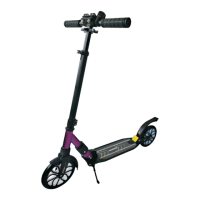
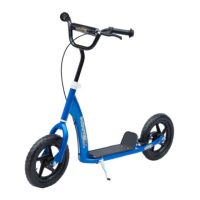
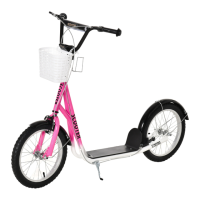
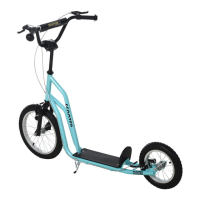
This document describes a charger electric scooter, a personal mobility device designed for recreational use. It emphasizes safety, proper usage, and maintenance to ensure optimal performance and longevity.
Function Description:
The charger electric scooter is a battery-powered personal transport device. It operates by twisting a throttle on the handlebar, which activates an electric motor to propel the scooter. The scooter is equipped with a braking system to control speed and stop the device. It is designed for use on flat, dry, and clean surfaces, such as pavement or level ground, free from loose debris. The device is intended for single-person use and is not suitable for stunts or aggressive riding.
Important Technical Specifications:
- Weight Limit: The maximum recommended weight for the rider is 50 kg (110 lbs). Exceeding this limit can lead to premature wear of the battery and other components, and may affect the scooter's performance and control.
- Recommended Age: The minimum recommended age for riders is 7 years and older. Rider maturity, skill, and ability to follow rules are crucial for safe operation.
- Initial Battery Charge Time: The battery requires an initial charge of 8 hours before first-time use.
- Subsequent Battery Charge Time: After the initial charge, subsequent recharges typically take up to 6 hours.
- Battery Maintenance: For optimal performance and longevity, the battery should be charged at least once a month, even when the scooter is not in regular use. Failure to do so may result in the battery no longer accepting a charge.
- Charger Indicator: The charger unit features a small window with two LED lights. A red LED indicates the battery is charging, while a green LED indicates the battery is fully charged. The charger may warm up during use, which is normal.
Usage Features:
- Assembly: The scooter requires some assembly, including attaching the wheel to the fork using an axle bolt, securing the hinge joint, and aligning the handlebar with the T-bar.
- Pre-Ride Check: Before each ride, it is crucial to perform a thorough check of the scooter. This includes verifying that all chain guards and other covers are in place and in working order, the brakes function correctly, tires are properly inflated and have sufficient tread, and there are no cracks or broken connections in the frame, fork, or handlebars.
- Starting the Scooter: Ensure the power switch is in the OFF position before connecting the charger. Once charged, turn the power switch to ON. The scooter will move when the throttle is twisted. Always ensure you are in a safe, open area with good balance and both hands on the handlebars before activating the throttle.
- Riding Conditions: The scooter should only be ridden on solid, flat, clean, and dry surfaces. Avoid wet, icy, muddy, or uneven terrains, as these can compromise traction and control. Do not ride at night or when visibility is limited.
- Safety Precautions:
- Always wear appropriate safety gear, including an approved helmet (with chin strap securely buckled), elbow pads, and kneepads.
- Wear long-sleeved shirts, long pants, and athletic shoes with laces tied and kept away from moving parts.
- Never ride barefoot or in sandals.
- Maintain a firm grip on the handlebars at all times.
- Do not touch the brakes or motor during or immediately after riding, as they can become very hot.
- Be aware of potential obstacles that could entangle the wheel or cause sudden loss of control.
- Respect pedestrians, skaters, skateboarders, other scooter riders, cyclists, children, and animals.
- Never attach the scooter to another vehicle.
- Do not use headphones, mobile phones, or read text messages while riding.
- Avoid aggressive riding, stunts, or acrobatics, as the scooter is not designed for such abuse.
- Do not modify the scooter from its original design or configuration.
Maintenance Features:
- Brakes: Regularly check the brakes for proper function. The brake lever should provide positive braking action, and the safety switch should stop the motor when the brake is applied while the speed control is engaged. Ensure the brakes do not drag when the lever is released.
- Frame, Fork, and Handlebars: Periodically inspect these components for cracks or broken connections. Although frame cracks are rare, aggressive riding or impacts can cause them.
- Tires: Inspect the wheels regularly for excessive wear and replace them as needed.
- Battery Care: Always ensure the power switch is in the OFF position when the scooter is not in use. Never store the product in freezing or sub-freezing conditions, as this can permanently damage the battery.
- Charger Inspection: The charger supplied with the electric scooter should be regularly examined for damage to the cord, plug, enclosure, and other parts. If any damage is found, the scooter should not be charged until the charger is repaired or replaced. Use only the recommended charger.
- Cleaning: Disconnect the charger from the wall outlet and the scooter before cleaning the device with a soft cloth or wiping it down.
- Troubleshooting: The manual provides a troubleshooting guide for common issues such as the scooter not running, short ride duration, sudden stops, or sluggish performance. Solutions often involve checking battery charge, cable connections, brake adjustments, and ensuring the scooter is not overloaded. For example, if the scooter stops suddenly, the circuit breaker (located on the left side of the battery box) may have tripped due to motor overload, and pressing the reset button can restore function.
The document emphasizes that using common sense and adhering to all warnings and instructions are crucial to prevent serious injury and ensure safe operation of the scooter.

 Need help?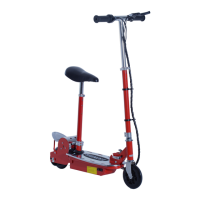

 To Next Page
 General