6-
6
The Composite Diode Signature
A composite Tracker signature is a combination of several components connected together in an
electronic circuit. Up to this point, we have been showing you what the basic component
signatures look like out of circuit. In the real world of electronics troubleshooting, components are
connected together in a circuit and when testing with TSA, the signatures are a composite that
may appear quite complex. However, with knowledge of TSA fundamentals and experience you
will find that even the most complex looking signatures can be analyzed quickly and efficiently.
This section will introduce you to some examples of composite diode signatures.
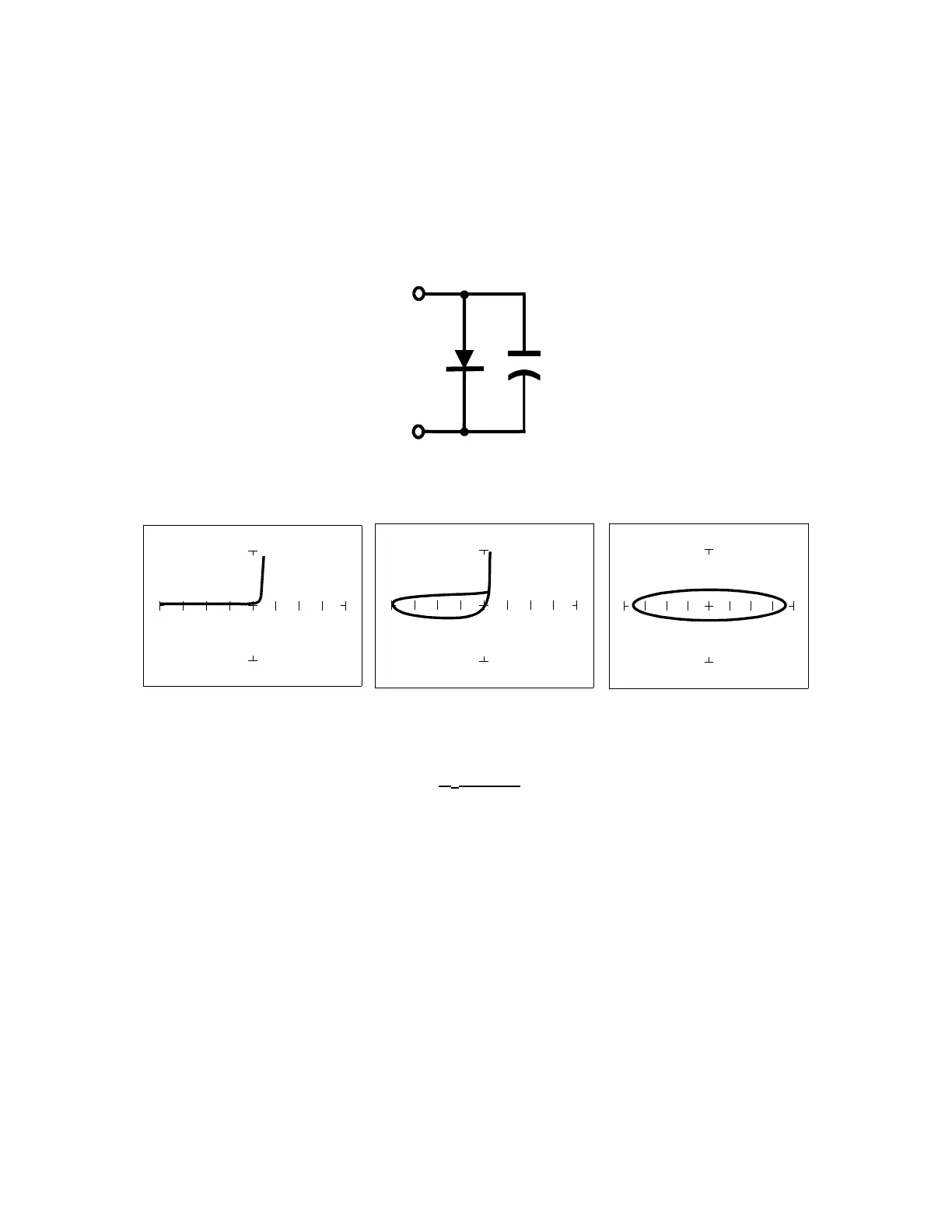
Figure 6-8. Composite Model of a Diode and Capacitor in Parallel
V
s
=10V, F
s
=20Hz V
s
=10V, Fs=200Hz V
s
=200mV, Fs=200Hz
Figure 6-9. Composite Signature - 1N914 Diode and 1µF Capacitor in Parallel
R
S
= 100Ω
ΩΩ
Ω
The signature on the left shows only the diode signature because the test signal frequency is set
below any visible contribution due the capacitive reactance. The composite signature in the center
consists of the distinctive loop of the capacitor and the "knee" pattern of the diode. The signature
on the right shows only the capacitor signature because the test signal voltage is below the diode's
voltage threshold. When multiple components are connected together, it's important to realize that
the Tracker 2700 has the ability to selectively display the signature of a single component.


 To Next Page
 Loading...
