EasyManua.ls Logo

Husky H150PL - User Manual

Husky H150PL
20 pages
Print Icon
To Next Page IconTo Next Page
Loading...
SAVE THIS MANUAL FOR FUTURE REFERENCE
Your air compressor has been engineered and manufactured to Husky’s high standard for dependability, ease of operation,
and operator safety. When properly cared for, it will give you years of rugged, trouble-free performance.
WARNING: To reduce the risk of injury, the user must read and understand the operator’s manual before using
this product.
Thank you for buying a Husky product.
OPERATOR’S MANUAL
1.5 GALLON PORTABLE AIR COMPRESSOR
H150PL
80
100
8
4
120
80
100
12
P
U
S
H
R
E
E
T
S
Disconnect
Always
Air Supply
Disconnect
Always
Air Supply
Disconnect
Always
Air Supply
Disconnect
Always
Air Supply

Questions and Answers

Summary

Introduction

Danger Warning

Critical safety warning regarding immediate hazards that could result in death or serious injury.

General Safety Rules

Work Area Safety

Guidelines for maintaining a safe and clear work environment to prevent accidents.

Electrical Safety

Precautions for safe electrical connections and handling of the compressor.

Personal Safety

Recommendations for operator protection, including attire and situational awareness.

Tool Use and Care

Best practices for operating and maintaining tools to ensure safety and longevity.

Specific Safety Rules

Drain Tank of Moisture

Procedure for draining moisture from the air tank to prevent corrosion and ensure air quality.

Fire, Explosion, and Bursting Risks

Warnings related to flammable liquids, confined spaces, and exceeding pressure limits.

Personal and Electrical Safety

Guidance on preventing injury from air streams, electrical hazards, and faulty equipment.

General Operational Safety

Rules for safe operation, including hose management, tool usage, and storage.

Specific Safety Rules

Lung Protection and Chemical Safety

Recommendations for respiratory protection and avoiding hazardous chemical exposure.

Cord, Hose, and Part Inspection

Importance of regularly checking cords, hoses, and parts for damage or wear.

Extension Cord and Adapter Usage

Guidelines for selecting and using appropriate extension cords and avoiding adapters.

Save Instructions

Reminder to save and refer to the manual for future reference and instruction.

Symbols

Voltage and Current Symbols

Explanation of symbols related to electrical measurements like Volts, Amperes, and Hertz.

Construction and Usage Symbols

Symbols indicating construction type, usage conditions, and safety precautions.

Hazard Warning Symbols

Symbols representing risks such as bursting, fire, electrical shock, hot surfaces, and breathing hazards.

Symbols

Signal Word Definitions

Definitions for signal words (Danger, Warning, Caution) indicating risk levels.

Service

Important Safety Warnings

Critical warnings for safe operation and maintenance of the product.

Electrical

Extension Cord Requirements

Guidelines for selecting the correct gauge and type of extension cord.

Electrical Connection Guidelines

Instructions for connecting the compressor to a suitable power supply.

Grounding Instructions

Information on proper grounding to reduce the risk of electric shock.

Grounding Safety Warning

Warning regarding improper grounding installation and potential electric shock.

Glossary of Terms

Tools Needed

Features

Product Specifications

Technical details and specifications of the air compressor.

Carrying Handle

Description of the padded carrying handle for ease of transport.

Oil-Free Motor

Information about the oil-free induction motor and its lubrication.

Pressure Regulator Knob

Function of the pressure regulator knob for adjusting air delivery.

Pressure Relief Valve

Details on the automatic pressure relief valve for safety.

Gauges

Information about the tank pressure gauge and regulator pressure gauge.

Tool Bag

Description and purpose of the attached tool bag for accessory storage.

Assembly

Know Your Air Compressor

Guidance on understanding the product and its features before operation.

Unpacking

Instructions for carefully unpacking the product and checking contents.

Assembly Safety Warnings

Critical warnings related to part replacement, product modification, and power connection.

Operation

Installing the Air Filter

Step-by-step instructions for installing the air filter unit.

Attaching Hose

Procedure for connecting the air hose to the compressor.

Operational Safety Warnings

Safety precautions to prevent injury during operation.

Operational Cautions

Cautions regarding the operating environment and potential damage to the unit.

Operation

Applications

Examples of tasks and uses for the air compressor.

Turning the Air Compressor On;Off

Instructions for switching the compressor between ON and OFF modes.

Using the Air Compressor

Step-by-step guide for operating the air compressor and setting pressure.

Tool Consumption Warning

Warning about matching tool air requirements to compressor capacity.

Pressure Usage Note

Note on using the minimum necessary pressure for efficiency.

Operation

Tool Bag Attachment and Use

Instructions for attaching and using the tool bag for storage.

Draining the Tank

Daily procedure for draining moisture from the air tank.

Drainage Safety Warnings

Warnings related to disconnecting power and releasing air before draining.

Operation

Checking the Pressure Relief Valve

Procedure for testing the pressure relief valve's functionality.

Pressure Relief Valve Danger

Danger warning regarding tampering with the pressure relief valve.

Pressure Relief Valve Warning

Warning about using the compressor if the pressure relief valve is faulty.

Reset Button Operation

Instructions for resetting the compressor's overload protector.

Maintenance

Maintenance Safety Warnings

General safety precautions for performing maintenance and repairs.

General Maintenance

Routine maintenance tasks including tank draining and inspection.

Lubrication

Information on the lubrication requirements of the compressor's bearings.

Cleaning the Air Filter

Steps for removing and cleaning the air filter.

Troubleshooting

Power and Motor Issues

Solutions for problems like compressor not running or motor issues.

Electrical and Fuse Issues

Troubleshooting steps for blown fuses or tripped circuit breakers.

Pressure and Airflow Issues

Addressing problems with pressure drops, moisture, continuous running, or low output.

Compressor Vibration

Solutions for compressor vibration issues.

Warranty

Limited Warranty Statement

Details of the limited warranty, coverage, and terms.

Service Information

Model and Serial Number Recording

Guidance on recording the model and serial number for service.

How to Order Repair Parts

Instructions for ordering replacement parts, including required information.

Summary

Introduction

Danger Warning

Critical safety warning regarding immediate hazards that could result in death or serious injury.

General Safety Rules

Work Area Safety

Guidelines for maintaining a safe and clear work environment to prevent accidents.

Electrical Safety

Precautions for safe electrical connections and handling of the compressor.

Personal Safety

Recommendations for operator protection, including attire and situational awareness.

Tool Use and Care

Best practices for operating and maintaining tools to ensure safety and longevity.

Specific Safety Rules

Drain Tank of Moisture

Procedure for draining moisture from the air tank to prevent corrosion and ensure air quality.

Fire, Explosion, and Bursting Risks

Warnings related to flammable liquids, confined spaces, and exceeding pressure limits.

Personal and Electrical Safety

Guidance on preventing injury from air streams, electrical hazards, and faulty equipment.

General Operational Safety

Rules for safe operation, including hose management, tool usage, and storage.

Specific Safety Rules

Lung Protection and Chemical Safety

Recommendations for respiratory protection and avoiding hazardous chemical exposure.

Cord, Hose, and Part Inspection

Importance of regularly checking cords, hoses, and parts for damage or wear.

Extension Cord and Adapter Usage

Guidelines for selecting and using appropriate extension cords and avoiding adapters.

Save Instructions

Reminder to save and refer to the manual for future reference and instruction.

Symbols

Voltage and Current Symbols

Explanation of symbols related to electrical measurements like Volts, Amperes, and Hertz.

Construction and Usage Symbols

Symbols indicating construction type, usage conditions, and safety precautions.

Hazard Warning Symbols

Symbols representing risks such as bursting, fire, electrical shock, hot surfaces, and breathing hazards.

Symbols

Signal Word Definitions

Definitions for signal words (Danger, Warning, Caution) indicating risk levels.

Service

Important Safety Warnings

Critical warnings for safe operation and maintenance of the product.

Electrical

Extension Cord Requirements

Guidelines for selecting the correct gauge and type of extension cord.

Electrical Connection Guidelines

Instructions for connecting the compressor to a suitable power supply.

Grounding Instructions

Information on proper grounding to reduce the risk of electric shock.

Grounding Safety Warning

Warning regarding improper grounding installation and potential electric shock.

Glossary of Terms

Tools Needed

Features

Product Specifications

Technical details and specifications of the air compressor.

Carrying Handle

Description of the padded carrying handle for ease of transport.

Oil-Free Motor

Information about the oil-free induction motor and its lubrication.

Pressure Regulator Knob

Function of the pressure regulator knob for adjusting air delivery.

Pressure Relief Valve

Details on the automatic pressure relief valve for safety.

Gauges

Information about the tank pressure gauge and regulator pressure gauge.

Tool Bag

Description and purpose of the attached tool bag for accessory storage.

Assembly

Know Your Air Compressor

Guidance on understanding the product and its features before operation.

Unpacking

Instructions for carefully unpacking the product and checking contents.

Assembly Safety Warnings

Critical warnings related to part replacement, product modification, and power connection.

Operation

Installing the Air Filter

Step-by-step instructions for installing the air filter unit.

Attaching Hose

Procedure for connecting the air hose to the compressor.

Operational Safety Warnings

Safety precautions to prevent injury during operation.

Operational Cautions

Cautions regarding the operating environment and potential damage to the unit.

Operation

Applications

Examples of tasks and uses for the air compressor.

Turning the Air Compressor On;Off

Instructions for switching the compressor between ON and OFF modes.

Using the Air Compressor

Step-by-step guide for operating the air compressor and setting pressure.

Tool Consumption Warning

Warning about matching tool air requirements to compressor capacity.

Pressure Usage Note

Note on using the minimum necessary pressure for efficiency.

Operation

Tool Bag Attachment and Use

Instructions for attaching and using the tool bag for storage.

Draining the Tank

Daily procedure for draining moisture from the air tank.

Drainage Safety Warnings

Warnings related to disconnecting power and releasing air before draining.

Operation

Checking the Pressure Relief Valve

Procedure for testing the pressure relief valve's functionality.

Pressure Relief Valve Danger

Danger warning regarding tampering with the pressure relief valve.

Pressure Relief Valve Warning

Warning about using the compressor if the pressure relief valve is faulty.

Reset Button Operation

Instructions for resetting the compressor's overload protector.

Maintenance

Maintenance Safety Warnings

General safety precautions for performing maintenance and repairs.

General Maintenance

Routine maintenance tasks including tank draining and inspection.

Lubrication

Information on the lubrication requirements of the compressor's bearings.

Cleaning the Air Filter

Steps for removing and cleaning the air filter.

Troubleshooting

Power and Motor Issues

Solutions for problems like compressor not running or motor issues.

Electrical and Fuse Issues

Troubleshooting steps for blown fuses or tripped circuit breakers.

Pressure and Airflow Issues

Addressing problems with pressure drops, moisture, continuous running, or low output.

Compressor Vibration

Solutions for compressor vibration issues.

Warranty

Limited Warranty Statement

Details of the limited warranty, coverage, and terms.

Service Information

Model and Serial Number Recording

Guidance on recording the model and serial number for service.

How to Order Repair Parts

Instructions for ordering replacement parts, including required information.

Overview

This document is the operator's manual for the Husky 1.5 Gallon Portable Air Compressor, model H150PL. It provides comprehensive information regarding the compressor's function, technical specifications, usage, and maintenance.

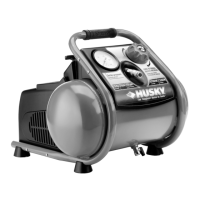
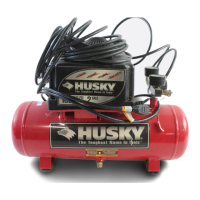
The Husky H150PL is a portable air compressor designed for various air system applications, including operating light-duty air-powered tools and inflating items such as tires, air beds, and sports equipment. It is engineered and manufactured to Husky's high standard for dependability, ease of operation, and operator safety, promising years of rugged, trouble-free performance with proper care.

Function Description:

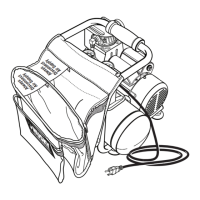
The air compressor's primary function is to produce compressed air for various applications. It utilizes an electric motor to drive a reciprocating piston pump, which compresses air and stores it in a 1.5-gallon air tank. The compressor features an automatic on/off cycling mechanism controlled by a pressure switch. It stops when the cut-off pressure in the tank is reached and restarts when the air pressure drops below the cut-in pressure. A pressure regulator knob allows users to adjust the outgoing air pressure to suit the specific requirements of the connected air tool or accessory. A pressure relief valve is incorporated as a safety feature, automatically releasing air if the tank pressure exceeds a preset maximum, preventing over-pressurization. The unit is designed for ease of use with a padded carrying handle for portability and a detachable tool bag for storing additional items.

Important Technical Specifications:

  • Model: H150PL
  • Running Horsepower: 3/4 HP
  • Air Tank Capacity: 1.5 gallons
  • Maximum Air Pressure: 125 psi
  • Air Delivery: 2.0 SCFM @ 90 psi
  • Lubrication: Oil-Free (permanently lubricated bearings)
  • Gauges: 2 inch diameter (Tank Pressure Gauge, Regulator Pressure Gauge)
  • Input Power: 120 V, 60 Hz, AC only, 8.5 Amps
  • Net Weight: 33.0 lbs.
  • Motor Speed: Approximately 3,450 rpm (no-load speed)
  • Electrical Connection: 3-wire grounded plug, 120V, 60Hz, AC only.
  • Extension Cord Recommendation: Minimum 14 AWG for 50 feet or less; cords exceeding 100 feet are not recommended.

Usage Features:

  • Portability: Equipped with a padded carrying handle, making it easy to transport.
  • Tool Bag: Includes a detachable tool bag for convenient storage of accessories, which can also be used on a tool belt.
  • Automatic/Off Switch: A simple switch to turn the compressor on (AUTOMATIC position) or off (OFF position). In AUTOMATIC mode, the compressor cycles on and off to maintain tank pressure.
  • Pressure Regulator Knob: Allows for precise adjustment of the output air pressure, displayed on the regulator pressure gauge.
  • Quick-Connect Air Fitting: Facilitates easy attachment and detachment of air hoses and tools.
  • Thermal Overload Switch (Reset Button): Automatically shuts off the compressor if the electric motor's temperature exceeds a predetermined limit, protecting the motor from damage. It can be reset manually after a cooling period.
  • Safety Features: Includes a pressure relief valve to prevent over-pressurization and requires the use of eye protection (ANSI Z87.1 compliant) during operation.
  • Environmental Considerations: Designed for operation in open, well-ventilated areas, at least 18 inches away from walls or obstructions. Not suitable for use in dusty or contaminated environments, or for supplying breathing quality air.

Maintenance Features:

  • Oil-Free Design: The compressor features permanently lubricated bearings, eliminating the need for regular oil changes or lubrication, simplifying maintenance.
  • Daily Tank Drainage: Instructions emphasize draining moisture from the air tank daily to prevent corrosion and ensure optimal performance. The drain valve is located at the bottom of the tank for easy access.
  • Pressure Relief Valve Check: Users are instructed to check the pressure relief valve before each day of use by pulling the ring to ensure it actuates and seals properly, confirming its functionality as a safety device.
  • Air Filter Cleaning: The air filter needs to be removed and cleaned periodically (by blowing compressed air through it) to maintain efficient operation and prevent damage to the pump.
  • Tank Inspection: Annual inspection of the air tank for rust, pinholes, or other imperfections is recommended to ensure its safety and integrity.
  • General Cleaning: The exterior of the compressor should be kept dry, clean, and free from oil and grease. Cleaning with a clean cloth is recommended, while brake fluids, gasoline, petroleum-based products, or strong solvents should be avoided as they can damage plastic parts.
  • Troubleshooting Guide: The manual includes a comprehensive troubleshooting section to help users diagnose and resolve common issues, such as the compressor not running, motor humming, fuses blowing, or air leaks.
  • Service Information: Provides contact information for authorized service centers for repairs and parts ordering, emphasizing the use of identical replacement parts to maintain product safety and warranty.

Safety Warnings:

The manual highlights several critical safety warnings, including:

  • Read and understand all instructions: Essential to prevent electric shock, fire, or serious personal injury.
  • Eye and Hearing Protection: Always wear ANSI Z87.1 compliant eye protection and, if necessary, hearing protection, especially in noisy environments.
  • Work Area Safety: Keep the work area clean, well-lit, and free of flammable liquids, gases, or dust. Keep bystanders away.
  • Electrical Safety: Avoid body contact with grounded surfaces, do not expose to rain or wet conditions, and inspect cords for damage. Use appropriate outdoor extension cords if operating outside.
  • Risk of Fire or Explosion: Do not spray flammable liquids in confined areas. Ensure adequate ventilation and keep the compressor at least 20 feet away from spraying areas and explosive vapors.
  • Risk of Bursting: Do not adjust the regulator to exceed the maximum pressure rating of attachments (125 psi).
  • Risk of Injury: Never direct the air stream at the body or use compressed air for breathing. Do not carry the compressor while painting.
  • Hot Surface: Avoid contact with hot surfaces to prevent injury or damage.
  • Disconnect Power: Always disconnect power and air supply, and allow the unit to cool before servicing or making adjustments.
  • No Breathing Air: This compressor is not equipped to supply breathing quality air, and additional filtration would be required to meet Grade D breathing specifications.

The Husky H150PL is a robust and user-friendly air compressor, designed with a strong emphasis on safety and durability for a variety of home and light-duty professional applications.

Husky H150PL Specifications

General IconGeneral
BrandHusky
ModelH150PL
CategoryAir Compressor
LanguageEnglish

Related product manuals