EasyManua.ls Logo

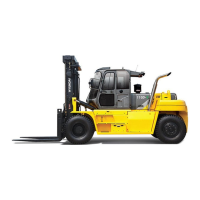
Hyundai 160D-9L - User Manual

Hyundai 160D-9L
241 pages
Print Icon
To Next Page IconTo Next Page
Loading...
CONTENTS
CONTENTS
FOREWORD
FOREWORD
A message to hyundai lift truck operators
-----------------------------------------------------------------------
0-1
Introduction
------------------------------------------------------------------------------------------------------------------------
0-2
How to use this manual
----------------------------------------------------------------------------------------------------
0-3
EC regulation approved
-----------------------------------------------------------------------------------------------------
0-5
Safety labels
----------------------------------------------------------------------------------------------------------------------
0-6
Guide (Direction, Serial number, Symbols)
--------------------------------------------------------------------
0-16
1. SAFETY HINTS
1. SAFETY HINTS
1. Daily inspection
-------------------------------------------------------------------------------------------------------------
1-1
2. Do's and don'ts
--------------------------------------------------------------------------------------------------------------
1-2
3. Seat belts
-----------------------------------------------------------------------------------------------------------------------
1-4
4. No riders
-------------------------------------------------------------------------------------------------------------------------
1-5
5. Pedestrians
--------------------------------------------------------------------------------------------------------------------
1-6
6. Operator protection
--------------------------------------------------------------------------------------------------------
1-7
7. Fork safety
-------------------------------------------------------------------------------------------------------------------
1-8
8. Pinch points
----------------------------------------------------------------------------------------------------------------
1-9
9. Travel
-------------------------------------------------------------------------------------------------------------------------------
1-10
10. Grades, ramps, slopes and inclines
-----------------------------------------------------------------------------
1-11
11. Tip over
---------------------------------------------------------------------------------------------------------------------------
1-12
12. Surface and capacity
-----------------------------------------------------------------------------------------------------
1-14
13. Parking
----------------------------------------------------------------------------------------------------------------------------
1-15
14. Refueling
------------------------------------------------------------------------------------------------------------------------
1-16
15. Step
---------------------------------------------------------------------------------------------------------------------------------
1-17
16. Operator's safety rules
--------------------------------------------------------------------------------------------------
1-18
17. Side shift
-------------------------------------------------------------------------------------------------------------------------
1-19
2. OPERATING HAZARDS
1. Loose loads
--------------------------------------------------------------------------------------------------------------------
2-1
2. Long and wide loads
-----------------------------------------------------------------------------------------------------
2-2
3. Rear swing
---------------------------------------------------------------------------------------------------------------------
2-2
4. Low overhead clearance
-----------------------------------------------------------------------------------------------
2-3
5. Fast turns and high loads
----------------------------------------------------------------------------------------------
2-3
6. Right angle stacking
------------------------------------------------------------------------------------------------------
2-4
7. Chain slack
---------------------------------------------------------------------------------------------------------------------
2-4
8. Pallets and skids
------------------------------------------------------------------------------------------------------------
2-5
9. Caution for electrical lines
---------------------------------------------------------------------------------------------
2-5

Table of Contents

Questions and Answers

  • R
    Rachel BellAug 2, 2025
    Why Hyundai 160D-9L Forklifts engine fails to start?
    • D
      dwaynewhiteAug 2, 2025
      If the engine of your Hyundai Forklifts fails to start, there are several potential causes. Start by checking if there is a lack of fuel and refill if needed. Another possibility is air mixed in the fuel system, which requires bleeding the air. Also, a defective fuel injection pump or nozzle can prevent starting, requiring replacement. For issues such as slow starting motor rotation, refer to the "Electrical system." Insufficient engine compression requires you to contact a dealer. Finally, incorrect valve clearance needs adjustment.
  • M
    Michael StrongAug 6, 2025
    What to do if oil pressure warning lamp fails to go out in Hyundai 160D-9L Forklifts?
    • C
      catherine41Aug 6, 2025
      If the oil pressure warning lamp on your Hyundai Forklifts fails to go out, it could be due to several reasons. First, check if the oil level in the oil pan is low and add oil if necessary. If the oil level is sufficient, the oil filter element might be clogged, in which case you should replace it. Lastly, inspect the oil pipe joints for any looseness or wear that may be causing leaks, and repair them as needed.
  • T
    Trevor WalkerAug 11, 2025
    What to do if Hyundai 160D-9L Forklifts radiator pressure valve spouts steam?
    • R
      rgarciaAug 11, 2025
      If the radiator pressure valve on your Hyundai Forklifts is spouting steam, it could be due to a lack of cooling water or water leakage, in which case you should add water or repair the leakage. Another cause might be a loose fan belt, so adjust the belt accordingly. Additionally, dust and scale accumulation in the cooling system can cause this issue, so change the water and clean the interior of the cooling system.
  • R
    Rebecca GibbsAug 15, 2025
    Why water temp gauge indicates red range on right in Hyundai 160D-9L Forklifts?
    • T
      Tracy CoxAug 15, 2025
      If the water temperature gauge on your Hyundai Forklifts indicates a red range on the right, it could be due to a clogged or damaged radiator fin, which requires cleaning or repair. Alternatively, the thermostat or water temperature gauge might be faulty and need replacement. A loosening radiator filler cap can also cause this, so retighten the cap or replace the packing.
  • E
    Elizabeth BirdAug 19, 2025
    How to fix whitish or bluish smoke from Hyundai 160D-9L Forklifts engine?
    • S
      stephanierossSep 12, 2025
      If your Hyundai Forklifts engine emits whitish or bluish smoke, it could be due to an excessive quantity of oil in the oil pan, so reduce the oil quantity. It may also be caused by poor quality fuel, in which case you should replace it with the specified fuel.
  • E
    Emma RobinsonAug 25, 2025
    What causes water temp gauge to indicate red range on left in Hyundai 160D-9L?
    • M
      Manuel RobertsonAug 25, 2025
      If the water temperature gauge on your Hyundai Forklifts indicates a red range on the left, it is likely that either the thermostat or the water temperature gauge is faulty and needs to be replaced.
  • D
    Danny MillerAug 28, 2025
    What causes abnormal sound in Hyundai Forklifts?
    • K
      Kenneth DeanAug 28, 2025
      If you hear an abnormal sound (fuel combustion or mechanical sound) in your Hyundai Forklifts, it could be due to several reasons. One possibility is poor quality fuel, so try replacing it with the specified fuel. Overheating can also cause abnormal sounds; refer to the symptom "Radiator pressure valve spouts steam" for solutions. Additionally, a damaged muffler interior may be the cause, requiring replacement. Finally, excessively large valve clearance can lead to these sounds, so adjust the clearance.

Summary

FOREWORD

A message to hyundai lift truck operators

Guidance for safe operation and correct maintenance of Hyundai lift trucks.

Introduction

Overview of the manual's purpose and the HYUNDAI lift truck.

How to use this manual

Explanation of the manual's organization into ten major parts.

EC regulation approved

Details on noise levels and vibration values per EC regulations.

1. SAFETY HINTS

1. Daily inspection

Procedure for inspecting the truck at the beginning of each shift.

2. Dos and donts

Visual guidance on safe operating practices and prohibited actions.

3. Seat belts

Importance of buckling up the seat belt for safety and injury reduction.

4. No riders

Rule prohibiting unauthorized personnel from riding on the lift truck.

5. Pedestrians

Guidance on watching for pedestrians in work areas and at intersections.

6. Operator protection

Instructions for staying inside the cabin for operator safety.

7. Fork safety

Safety precautions regarding working under raised forks and load handling.

8. Pinch points

Warnings about keeping body parts away from pinch points in the mast area.

9. Travel

Guidelines for safe travel with loads, including visibility and load stability.

10. Grades, ramps, slopes and inclines

Safety procedures for operating on inclines and ramps.

11. Tip over

Explanation of lateral and longitudinal tip over causes and prevention.

12. Surface and capacity

Considerations for surface conditions and load capacity to prevent tip-overs.

13. Parking

Steps for safely parking the lift truck.

14. Refueling

Safety practices to follow during refueling operations.

15. Step

Instructions for safe mounting and dismounting of the truck.

16. Operators safety rules

General safety rules for operators, including seat belt and parking brake usage.

17. Side shift

Safety precautions for operating the side shift function with loads.

2. OPERATING HAZARDS

1. Loose loads

Hazards associated with carrying loose or unbalanced loads.

2. Long and wide loads

Considerations for handling long or wide loads and their impact on clearance.

3. Rear swing

Warning about the rear end swing of the truck during turns.

4. Low overhead clearance

Importance of checking overhead clearance to prevent truck overturn.

5. Fast turns and high loads

Risks of tipping over due to fast turns with raised loads.

6. Right angle stacking

Safety tips for right angle stacking, avoiding sharp turns with loads.

7. Chain slack

Consequences of slack chains and how to prevent them.

8. Pallets and skids

Precautions for using pallets and skids to prevent material falling.

9. Caution for electrical lines

Safety distances and procedures when operating near electrical lines.

10. Lifting loads

Safety rules for lifting loads, prohibiting people under loads.

11. Side shift

Hazards of side shifting with loads and unbalanced weight.

12. Fork positioner

Safe operation of the fork positioner to prevent load dropping.

3. KNOW YOUR TRUCK

1. General locations

Diagram showing the location of major truck components.

2. Name plate and safety warning decal

Information on nameplates and essential operator safety decals.

3. Cab devices

Description of operator controls and electronic monitor system in the cabin.

4. Cluster

Explanation of gauges, lamps, buttons, and LCD display functions.

5. Transmission message indicator

Display of transmission messages, including error codes.

6. Switches

Identification and function of various switches on the control panel.

7. Control device

Description of levers and pedals for controlling truck functions.

8. Air conditioner and heater

Operation and controls for the air conditioning and heating system.

9. Others

Identification of additional components like ECM, TCU, and audio systems.

4. OPERATOR MAINTENANCE AND CARE

1. Daily safety inspection

Detailed steps for visual and functional checks before truck operation.

2. Suggestion for new truck

Recommendations for operating a new truck during the initial 100 hours.

3. Fuel safety practices

Essential safety guidelines for refueling diesel trucks.

5. STARTING AND OPERATING PROCEDURES

1. Before operating the truck

Prerequisites for operating the lift truck, including reading the manual.

2. Check before operation

Thorough walk-around check required before starting the engine.

3. Check before starting engine

Detailed checks for leaks, tire pressure, and fluid levels before starting.

4. Seat adjustment

Instructions for adjusting the operator's seat for comfort and safety.

5. Starting from a safe condition

Ensuring the truck is in a safe condition before starting operation.

6. General starting and operating tips

Tips for safe starting, engine warm-up, and operation.

7. Starting and stopping the engine

Procedures for starting and stopping the engine in various conditions.

8. Warming-up operation

Procedure for warming up the hydraulic system before work.

9. Levers and pedals

Explanation of how to operate the various levers and pedals.

10. Traveling of the truck

Guidelines for safe truck travel, including posture and direction changes.

11. Operating safely

General safety principles for operating the lift truck.

12. Load handling

Principles and precautions for safe load handling.

13. Shut down procedure

Steps for safely shutting down and parking the truck.

14. Storage

Instructions for storing the lift truck for extended periods.

15. Transport

Precautions for loading and unloading the truck for transportation.

16. Loading and unloading by crane

Procedure for safely loading and unloading the truck using a crane.

6. EMERGENCY STARTING AND TOWING

1. How to tow a disabled truck

Procedures for safely towing a disabled lift truck.

2. Parking brake release

Emergency procedure for releasing the parking brake.

3. How to use battery jumper cables

Safe instructions for jump-starting a lift truck using jumper cables.

7. PLANNED MAINTENANCE AND LUBRICATION

1. Introduction

Overview of planned maintenance and its importance for safety.

2. Safe maintenance practices

General safety guidelines for performing maintenance operations.

3. Instructions before maintenance

Guidance on inspecting and servicing the truck based on service meter.

4. Planned maintenance intervals

Checklists and intervals for maintenance based on service hours.

5. Maintenance chart

Table detailing maintenance tasks and their intervals.

6. How to perform planned maintenance

Procedures for visual inspection of key truck components.

7. Service instruction

Instructions for servicing engine oil and filter.

8. SPECIFICATIONS

1. Specification table

Table listing key technical specifications of the truck models.

2. Specification for major components

Detailed specifications for major components like engine and transmission.

3. Tightening torque

Table of specified tightening torques for critical fasteners.

9. TROUBLESHOOTING

1. Engine system

Troubleshooting guide for common engine system problems.

2. Electrical system

Troubleshooting guide for common electrical system issues.

3. Torque flow system

Troubleshooting guide for torque flow system issues.

4. Steering system

Troubleshooting guide for common steering system problems.

5. Brake system

Troubleshooting guide for common brake system problems.

6. Hydraulic system

Troubleshooting guide for common hydraulic system problems.

7. Mast and fork

Troubleshooting guide for mast and fork related issues.

10. TESTING AND ADJUSTING

1. Engine system

Tests and adjustments for the engine system.

2. Drive system

Tests and adjustments for the drive system, including pedals.

3. Travel system

Tests and adjustments for the travel system components.

4. Steering system

Tests and adjustments for the steering system.

Hyundai 160D-9L Specifications

General IconGeneral
Model160D-9L
CategoryForklifts
Rated Load16000 kg
Load Capacity16000 kg
Standard Lift Height3000 mm
Load Center Distance600 mm
Engine TypeDiesel
Engine ModelCummins QSB6.7
TransmissionAutomatic
Tire TypePneumatic
Lifting Height3000 mm
Fork Length2400 mm

Related product manuals