This document serves as an operating manual for Ignis refrigerator/freezer combination models, including L18 XX X, L18 XXX X, L18 XXX XX, L180 XXX X, and L180 XXX X X. It provides instructions in both Italian and English.
Function Description
The appliance is a refrigerator/freezer combination designed for domestic use to store and freeze food products. It features separate compartments for refrigeration and freezing, with specific areas optimized for different types of food. The refrigerator compartment includes shelves, a fruit and vegetable bin, and a Flexi Use Box container, while the freezer compartment is designed for freezing and long-term storage.
Important Technical Specifications
The manual refers to a data plate located on the bottom left side of the refrigerator compartment for specific technical details such as model (Mod.), serial number (S/N), voltage (e.g., 220-240V), maximum power load, and daily freezing capacity (e.g., 2 Kg/24h). It also mentions the use of R600a refrigerant. The appliance is designed to operate within certain ambient temperature ranges, with recommendations for optimal thermostat settings. It complies with European Directives 2006/95/EC (Low Voltage), 2004/108 EC (Electromagnetic Compatibility), and 2012/19 (WEEE).
Usage Features
Installation and Start-up:
- Positioning: The appliance should be placed in a well-ventilated, humidity-free room, away from direct sunlight and heat sources. A minimum distance of 10 cm from the top and 5 cm from the sides to adjacent furniture/walls is recommended to ensure proper ventilation for the compressor and condenser.
- Levelling: The appliance must be installed on a level, rigid floor. Front feet can be adjusted to compensate for uneven surfaces.
- Electrical Connection: After transport, the appliance should stand vertically for at least 3 hours before connecting to the electricity supply. Ensure the electrical socket is earthed, compatible with the appliance's plug, and can handle the maximum power load. The voltage must match the values on the data plate. Extension cords and multiple sockets are not recommended. The power supply cable and socket must be easily accessible after installation.
- Initial Start-up: Before connecting, clean the compartments and accessories with lukewarm water and bicarbonate. After plugging in, ensure the internal light turns on. For electronic versions, the compressor may start after an 8-minute delay due to a motor protection control.
- Temperature Regulation: The temperature inside the refrigerator compartment is controlled by a thermostat knob. For average ambient temperatures (25 ± 5°C), the "ECO" range is recommended for optimal performance and energy consumption. The "OFF" position turns off the product.
- AIR Function (if present): It is recommended to activate the "AIR" function in the refrigerator at ambient temperatures above 30°C. This lowers the temperature in the fridge compartment, and the thermostat knob may need to be adjusted to a warmer position. The "AIR" function should be turned off when ambient temperature drops below 30°C. Do not block the air inlet with food.
Refrigerator Use:
- Food Placement: Only cold or lukewarm foods should be placed in the refrigerator. Hot foods will increase internal temperature and force the compressor to work harder.
- Liquid Storage: Do not store liquids in open containers, as this increases humidity and condensation.
- Shelves: Removable and height-adjustable shelves allow for flexible storage of various container sizes.
- Flexi Use Box (if present): This container offers flexible food storage. When placed in the lower section of the fridge (position A2, above the crisper box), it acts as a "CHILLER" at approximately 0°C, ideal for storing meat, fish, delicate foods, rapid cooling of hot foods, and low-temperature defrosting. When placed in the upper part of the fridge (position A1), it is suitable for fruits and vegetables, effectively creating a second crisper box.
- Temperature Indicator Light (if present): An "OK" indicator on the light confirms the temperature is suitable. If "OK" does not appear, the temperature is too high, and the fridge temperature should be set to a colder value. Wait at least 10 hours for the temperature to stabilize before rechecking.
- Black Out Sensor (if present): At initial start-up, the black out sensor should be in a specific position. After 24 hours, it should be rotated 180°. If one or both liquids in the sensor melt, it indicates an abnormal temperature increase in the freezer. If liquid A1 melts, food should be consumed within a week. If liquid A2 melts, food should be discarded.
Freezer Use:
- Freezing Guidelines: Do not refreeze food that has already defrosted. Fresh food for freezing should not contact already frozen items; place it in the lower "FREEZER and STORAGE" compartment for optimal freezing speed.
- Container Restrictions: Do not place glass bottles with liquids, especially corked or hermetically sealed, in the freezer, as they may break.
- Air Circulation: Do not obstruct ventilation holes with food or containers to ensure proper air circulation.
- Door Management: Avoid opening the freezer door during freezing. In case of a power cut or malfunction, do not open the freezer door to maintain temperature for 12-18 hours.
- Space Optimization: Drawers and flaps can be removed to place food directly on the shelves for more space.
Maintenance Features
- Switching Off: For cleaning and maintenance, disconnect the appliance from the electricity supply by pulling the plug. Simply setting the temperature knob to "OFF" is not sufficient to eliminate all electrical contact.
- Cleaning:
- External and Internal Parts: Clean with a sponge soaked in lukewarm water and bicarbonate of soda or neutral soap. Avoid solvents, abrasive products, bleach, or ammonia.
- Removable Accessories: Soak in warm water and soap or dishwashing liquid, then rinse and dry.
- Back of the Appliance: Dust on the back can be removed gently with a vacuum cleaner hose set on medium power, after switching off and unplugging the appliance.
- Mould and Odour Prevention: The appliance uses hygienic, odour-free materials. To maintain this, food should always be covered or sealed. If switching off for an extended period, clean the interior and leave the doors open.
- LED Light Replacement (if present): If the LED light needs replacement, contact Technical Service.
- Light Bulb Replacement (if present): To replace the refrigerator compartment light bulb, unplug the appliance, remove the cover as indicated in the diagram, and replace it with a similar bulb of the wattage indicated on the cover.
- Defrosting: Defrost the appliance if ice forms, as a thick layer of ice hinders cold transfer and increases energy consumption.
Safety and Environmental Guidelines
- General Safety: The appliance is for non-professional, domestic use. It should only be used by adults according to the instructions. Do not install outdoors or in areas exposed to rain/storms. Avoid touching the appliance with bare feet or wet hands/feet, and do not touch internal cooling elements to prevent skin abrasions or frostbite. Do not use sharp utensils or electrical equipment not recommended by the manufacturer inside the freezer. Do not put ice cubes directly from the freezer into the mouth. Children should be supervised to ensure they do not play with the appliance, and packaging materials should be kept out of their reach.
- Troubleshooting: Before calling for assistance, consult the troubleshooting section for common issues like the internal light not working, motor not starting, insufficient cooling, food freezing, continuous motor operation, excessive noise, or hot external parts.
- Disposal: Packaging materials should be disposed of according to local environmental standards for recycling. The European Directive 2012/19/EU (WEEE) mandates separate collection of old electrical appliances. Consumers should contact local authorities or retailers for information on proper disposal.
- Environmental Conservation: Install in a cool, well-ventilated room away from heat sources and direct sunlight. Avoid keeping doors open for long periods or too frequently. Do not overfill the appliance. Do not place hot food inside. Defrost regularly to maintain efficiency.

 Need help?
 General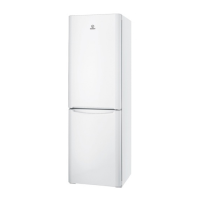

 To Next Page