EasyManua.ls Logo

Infinity Chimp 300.G2 - User Manual

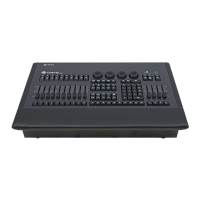
Infinity Chimp 300.G2
261 pages
Print Icon
To Next Page IconTo Next Page
Loading...
Ordercode: 55000/01 /03 & 55010/13 /14
User Guide
ENGLISH
Chimp 100 / 300 v2.05
Highlite International B.V.Vestastraat 2 6468 EX Kerkrade the Netherlands

Table of Contents

Question and Answer IconNeed help?

Do you have a question about the Infinity Chimp 300.G2 and is the answer not in the manual?

Summary

Introduction

Before Using the Product

Essential pre-operation checks and safety advice.

Symbols and Signal Words

Details safety signs and their meanings for hazard awareness.

Safety

Warnings and Safety Instructions

Critical safety warnings covering electrical hazards, children, and general use.

Requirements for the User

Outlines user qualifications and responsibilities for safe operation.

Basic Concepts

Priority Concept

Explains how the console manages competing fixture value commands.

Tracking

Describes the console's tracking functionality for cue sequencing.

The Graphical User Interface

The “Top Toolbar”

Describes the top toolbar for navigation, status, and configuration access.

Operation

To Begin Using the Console

Step-by-step guide for initial setup and powering on the console.

Working with Shows

Create a new Show

Instructions for starting a new showfile and naming it.

Saving the Showfile

Explains how to save the current showfile using the quick save function.

Enable; Disable the “Autosave” -function

Details how to configure automatic showfile saving for data protection.

Fixture Setup

Add Fixtures to the Show

Step-by-step guide to adding fixtures to the showfile from the library.

Configuring existing Fixtures

Details on modifying properties of already patched fixtures.

Setting up Default Timings and Speed Master Options

Cue Timing

Setting default fade and delay times for new cues.

Speed Master Settings

Adjusting speed master configurations for synchronized playback.

Fade Master Settings

Setting up fade master parameters for controlling crossfade behavior.

Setting up Inputs and Outputs

Setup DMX Output via Ethernet

Configuring DMX data transmission over Ethernet networks.

ArtNet Output

Details on ArtNet protocol and its configuration for DMX output.

Setup ArtNet

Steps to enable and configure ArtNet output for specific universes.

sACN E1.31 (Streaming ACN) Output

Information and setup for sACN protocol for DMX output.

Timecode Input

Setting up internal or external timecode sources for cue synchronization.

Working with Fixtures

Selecting Fixtures

Various methods for selecting fixtures for programming and control.

Edit Fixture Window

Interface for viewing and editing individual fixture properties.

Working with Groups

Recording Fixture Groups

Steps to create and store fixture groups for programming.

Create a Group Dimmer Master

Setting up group masters to control fixture intensity collectively.

Edit Group Window

Interface for renaming groups and managing their contents.

Working with Fixture Values

What is the programmer?

Explanation of the programmer's role in setting fixture attributes.

Emptying the Programmers Content“

Steps to clear the programmer to regain control from playbacks.

Alter Fixture Parameters

Methods for changing fixture parameter values using keypad, encoders, etc.

Working with individual Timings

Assigning specific fade and delay times to parameters.

Working with Effects

Effect Basics

Introduction to using mathematical functions to alter attribute values cyclically.

Effect Synchronization

Ensuring effects remain in sync across different parameters and cues.

The Effects Programmer

Interface for creating, adding, and modifying effects.

Adding an Effect

Steps to add predefined or custom effects to the programmer.

Modifying an Effect

How to change effect attributes using cells or encoders.

Stopping an Effect

Methods to stop effects, including using "Off" Effect Tables.

The Effect Attributes

Detailed explanation of various effect attributes like Fixtures, Parameter, Mode, etc.

Working with Presets

Recording Presets

Steps to store looks as presets using the split widget.

Selecting Presets

Methods for selecting and deselecting presets, including 'Hard Value' recall.

Merging contents into a Preset (Or: Updating a Preset)

Updating existing presets with new fixture values.

Edit Preset Window

Interface for renaming presets, setting icons, and loading values.

Working with Cuelists

What is a Cuelist

Explains the role of cuelists as the backbone of programming.

Storing Cues in a Cuelist

Methods for recording cues into cuelists via masters, executors, or command line.

Changing Cue Names, Timings and other Settings

Edit Cuelist Window

Interface for modifying cuelist settings like timings and playback modes.

Altering Cuelist Options

Adjusting settings such as tracking, priority, and run mode for cuelists.

Working with Masters and Executors

Linking Objects to a Master

Connecting cuelists, groups, or global masters to faders.

Configuring Fader and Button functions

Customizing fader and button behaviors for masters.

Working with Magic Sheets

Multi Console Networking

What is Multi Console Networking

Connecting multiple Chimp consoles for synchronized operation.

Requirements for establishing a Tracking Backup Session

Prerequisites for setting up a tracking backup network session.

Creating a Tracking Backup Session

Step-by-step guide to establishing a network backup connection.

Configure system-wide settings

Network Settings

Configuring IP addresses, subnet masks, and gateways for network connectivity.

Edit the Fixture Library

The Fixture Library Concept

Overview of System, User, and Show libraries for fixture data.

The Library Editor

Interface for creating and editing fixture types and their parameters.

Module Editor

Editing module channels, mapping DMX values to fixture parameters.

Add a new Fixture to the Library

Creating new fixture types from scratch or using templates.

Maintenance

Update Software

Procedures for updating the console's operating system via USB or online.

Update Fixture Libraries

Steps for updating fixture libraries from USB or online sources.

Safety Instructions for Maintenance

Essential safety precautions before performing maintenance.

Corrective Maintenance

Information on when and how to perform repairs and servicing.

Summary

Introduction

Before Using the Product

Essential pre-operation checks and safety advice.

Symbols and Signal Words

Details safety signs and their meanings for hazard awareness.

Safety

Warnings and Safety Instructions

Critical safety warnings covering electrical hazards, children, and general use.

Requirements for the User

Outlines user qualifications and responsibilities for safe operation.

Basic Concepts

Priority Concept

Explains how the console manages competing fixture value commands.

Tracking

Describes the console's tracking functionality for cue sequencing.

The Graphical User Interface

The “Top Toolbar”

Describes the top toolbar for navigation, status, and configuration access.

Operation

To Begin Using the Console

Step-by-step guide for initial setup and powering on the console.

Working with Shows

Create a new Show

Instructions for starting a new showfile and naming it.

Saving the Showfile

Explains how to save the current showfile using the quick save function.

Enable; Disable the “Autosave” -function

Details how to configure automatic showfile saving for data protection.

Fixture Setup

Add Fixtures to the Show

Step-by-step guide to adding fixtures to the showfile from the library.

Configuring existing Fixtures

Details on modifying properties of already patched fixtures.

Setting up Default Timings and Speed Master Options

Cue Timing

Setting default fade and delay times for new cues.

Speed Master Settings

Adjusting speed master configurations for synchronized playback.

Fade Master Settings

Setting up fade master parameters for controlling crossfade behavior.

Setting up Inputs and Outputs

Setup DMX Output via Ethernet

Configuring DMX data transmission over Ethernet networks.

ArtNet Output

Details on ArtNet protocol and its configuration for DMX output.

Setup ArtNet

Steps to enable and configure ArtNet output for specific universes.

sACN E1.31 (Streaming ACN) Output

Information and setup for sACN protocol for DMX output.

Timecode Input

Setting up internal or external timecode sources for cue synchronization.

Working with Fixtures

Selecting Fixtures

Various methods for selecting fixtures for programming and control.

Edit Fixture Window

Interface for viewing and editing individual fixture properties.

Working with Groups

Recording Fixture Groups

Steps to create and store fixture groups for programming.

Create a Group Dimmer Master

Setting up group masters to control fixture intensity collectively.

Edit Group Window

Interface for renaming groups and managing their contents.

Working with Fixture Values

What is the programmer?

Explanation of the programmer's role in setting fixture attributes.

Emptying the Programmers Content“

Steps to clear the programmer to regain control from playbacks.

Alter Fixture Parameters

Methods for changing fixture parameter values using keypad, encoders, etc.

Working with individual Timings

Assigning specific fade and delay times to parameters.

Working with Effects

Effect Basics

Introduction to using mathematical functions to alter attribute values cyclically.

Effect Synchronization

Ensuring effects remain in sync across different parameters and cues.

The Effects Programmer

Interface for creating, adding, and modifying effects.

Adding an Effect

Steps to add predefined or custom effects to the programmer.

Modifying an Effect

How to change effect attributes using cells or encoders.

Stopping an Effect

Methods to stop effects, including using "Off" Effect Tables.

The Effect Attributes

Detailed explanation of various effect attributes like Fixtures, Parameter, Mode, etc.

Working with Presets

Recording Presets

Steps to store looks as presets using the split widget.

Selecting Presets

Methods for selecting and deselecting presets, including 'Hard Value' recall.

Merging contents into a Preset (Or: Updating a Preset)

Updating existing presets with new fixture values.

Edit Preset Window

Interface for renaming presets, setting icons, and loading values.

Working with Cuelists

What is a Cuelist

Explains the role of cuelists as the backbone of programming.

Storing Cues in a Cuelist

Methods for recording cues into cuelists via masters, executors, or command line.

Changing Cue Names, Timings and other Settings

Edit Cuelist Window

Interface for modifying cuelist settings like timings and playback modes.

Altering Cuelist Options

Adjusting settings such as tracking, priority, and run mode for cuelists.

Working with Masters and Executors

Linking Objects to a Master

Connecting cuelists, groups, or global masters to faders.

Configuring Fader and Button functions

Customizing fader and button behaviors for masters.

Working with Magic Sheets

Multi Console Networking

What is Multi Console Networking

Connecting multiple Chimp consoles for synchronized operation.

Requirements for establishing a Tracking Backup Session

Prerequisites for setting up a tracking backup network session.

Creating a Tracking Backup Session

Step-by-step guide to establishing a network backup connection.

Configure system-wide settings

Network Settings

Configuring IP addresses, subnet masks, and gateways for network connectivity.

Edit the Fixture Library

The Fixture Library Concept

Overview of System, User, and Show libraries for fixture data.

The Library Editor

Interface for creating and editing fixture types and their parameters.

Module Editor

Editing module channels, mapping DMX values to fixture parameters.

Add a new Fixture to the Library

Creating new fixture types from scratch or using templates.

Maintenance

Update Software

Procedures for updating the console's operating system via USB or online.

Update Fixture Libraries

Steps for updating fixture libraries from USB or online sources.

Safety Instructions for Maintenance

Essential safety precautions before performing maintenance.

Corrective Maintenance

Information on when and how to perform repairs and servicing.

Infinity Chimp 300.G2 Specifications

General IconGeneral
ModelInfinity Chimp 300.G2
CategoryLighting Equipment
Fixtures300
TouchscreenYes
Ethernet Ports2
DMX Output Ports4
MIDI SupportYes
Art-Net/sACN SupportYes
Power Supply100-240 VAC, 50/60 Hz
ControlDMX, MIDI
CoolingActive

Related product manuals