37
1,2
7,0
7,5
NH
4
mg/l
ppm
pH
8,0
0,4 0,8 2,0 5,03,0
8,2
8,4
8,6
8,8
9,0
0,20,1
GB
Long-term measure:
Aquarium:
Add cleansing bacteria with JBL Denitrol and JBL FilterStart.
Use a suitable biological lter. Reduce feed, reduce density of sh stock, if necessary.
Garden pond:
Add cleansing bacteria with JBL BactoPond and JBL FilterStart Pond. If not already in use, install an efcient
pond lter. If necessary, review general design concept of pond: is there sufcient ground-covering material,
marshy area, working as a plant based purication system etc…?
Instructions:
1. Repeatedly rinse both test jars with the water to be tested.
2. Use the enclosed syringe to ll each of the test jars with 5 ml of sample water.
3. Add the reagents to one of the test jars in the following sequence:
a) 4 drops of reagent 1, mix well!
b) 4 drops of reagent 2, mix
c) 5 drops of reagent 3, mix. Allow to settle for 15 minutes.
4. Place both test jars into the comparator block: the jar with added reagent into the smooth end of the compara-
tor block, the jar with untreated test water (blank sample) into the notched end of the comparator block.
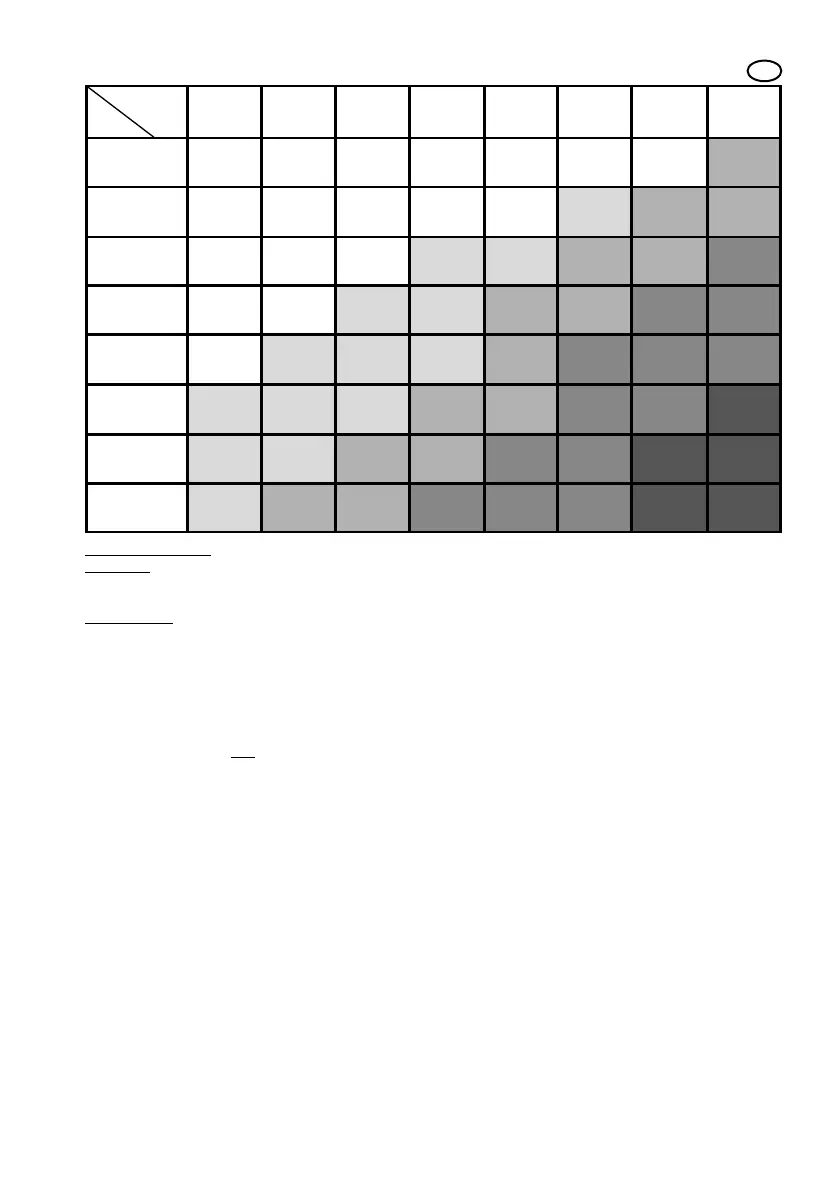
5. Move the comparator block together with the jars backwards and forwards on the colour chart, with the
notched side of the block facing the scale, until the colour of the sample treated with reagent matches the
colour under the blank sample as closely as possible.
6. Read the ammonium content in the notch of the comparator block.
Note:
In the event that the colour of your test sample is darker than the colours of the chart, dilute the sample with
distilled or ammonium-free water and measure again.
Depending on the dilution, the result must be multiplied as follows to determine the actual ammonium content:
2.5 ml sample + 2.5ml dist. water: result x 2
1 ml sample + 4 ml dist. water: result x 5
0.5 ml sample + 4.5ml dist. water: result x 10
Our tip for the environmentally-friendly user:
All reagents for JBL test sets are available from your retailer as reasonably-priced rell packs!


 To Next Page
 Loading...