50
GB
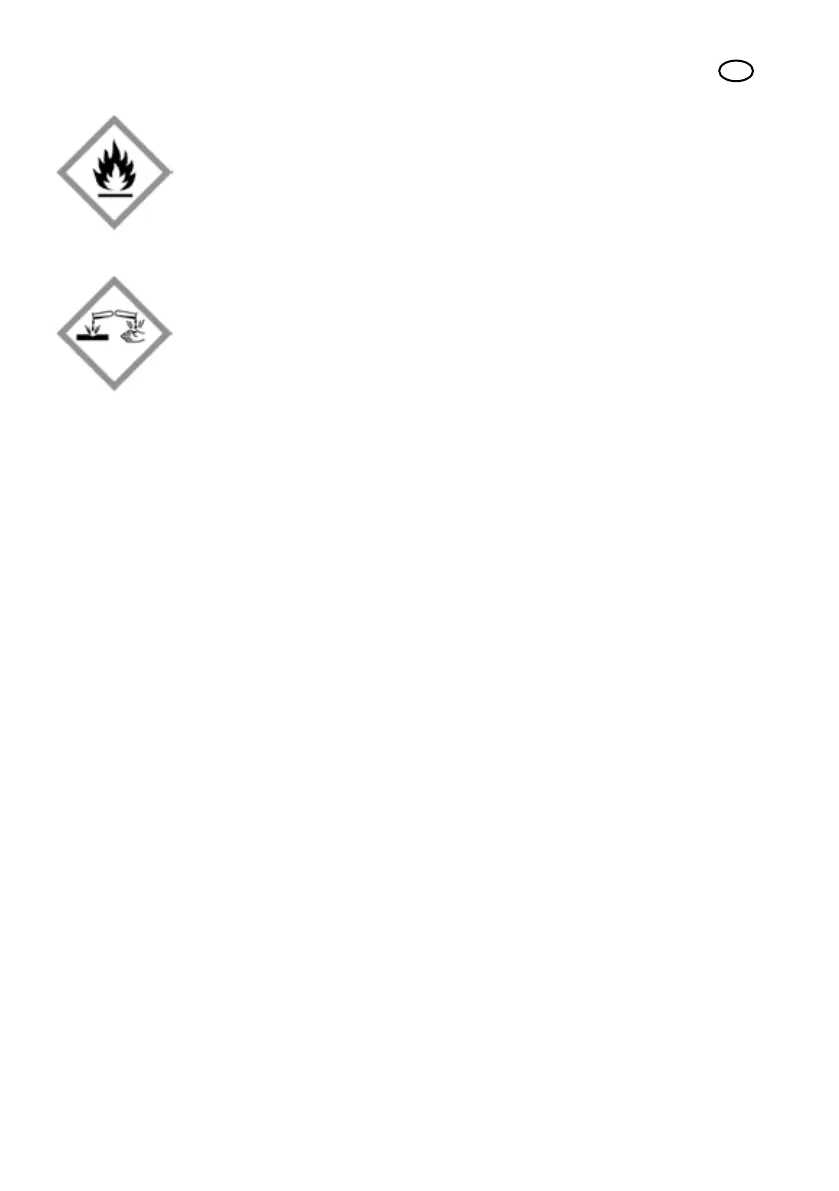
Warning and safety notices reagent 1:
Danger
Highly ammable liquid and vapour. Keep out of reach of children. Keep away from
heat, hot surfaces, sparks, open ames and other ignition sources. No smoking. Keep
container tightly closed. Wear protective gloves/protective clothing/eye protection/face
protection. Store in a well-ventilated place. Keep cool.
Warning and safety notices reagent 2:
Danger
Causes severe skin burns and eye damage. If medical advice is needed, have product
container or label at hand. Keep out of reach of children. Wear protective gloves/
protective clothing/eye protection/face protection. IF ON SKIN (or hair): Remove/Take off
immediately all contaminated clothing. Rinse skin with water/shower. IF IN EYES: Rinse
cautiously with water for several minutes. Remove contact lenses, if present and easy to
do. Continue rinsing. Immediately call a POISON CENTER or doctor/physician.
Copper Test Set Cu
Special features:
The JBL copper test set Cu is for the measurement and routine inspection of the copper content in saltwater
and freshwater aquariums, in the garden pond and in mains water within the range of 0.1 – 1.6 mg/l (ppm). Using
the compensation method specially developed by JBL, precise and reliable results can be obtained even in
moderately discoloured water, caused for instance by peat lters and disease treatment.
Why test?
Copper is a heavy metal. On the one hand it is essential as a trace element for plant and animal organisms,
on the other hand excess concentrations act as a toxin to cells, with disastrous results. Levels as low as 0.03
mg/l cause long-term damage to lter bacteria. Algae show signs of harm, depending on the type, with 0.1 – 10
mg/l of copper.
Copper as a medication
As higher organisms like sh are able to “tolerate” more copper than primitive organisms, copper is used to
combat parasitic diseases in sh. One classic area of application is the treatment of oodinium infections in sh
in freshwater and marine aquariums. A level of 0.3 mg/l is strongly recommended (e.g. with JBL Oodinol Plus
250). This level should be closely monitored as lower levels are insufcient to effect a cure, whilst higher levels
are harmful to the sh.
Depending on the hardness of the water, copper binds to a greater or lesser degree with hardening constituents
to form copper carbonate and precipitates. This occurs particularly rapidly in saltwater. The precipitated copper
carbonate is deposited on the oor of the aquarium. Under certain circumstances, it may revert to a solution
(changes in pH level, use of CO
2
fertilizers, the activity of micro-organisms). After several treatments, sufcient
amounts of copper may collect which, converted back into a solution again, could lead to the death of the sh
by poisoning. Therefore any treatment with substances containing copper should always be carried out in a
quarantine tank!
In marine aquariums with corals and other invertebrate animals copper must never be used in higher quantities
than those needed to meet the requirements for trace elements (e.g. using JBL TraceMarin)!
Where does the copper come from?
Apart from its use in medications against parasitic infections as mentioned above, the main source of copper in
the aquarium is tap water. Copper piping was, and still is, frequently used in domestic plumbing. Copper piping is
also often to be found in water heaters. If water stands for any length of time in such piping, considerable amounts
of copper may be absorbed. The use of rainwater which has owed through copper guttering also poses the risk
of introducing copper. Metallic objects containing copper should never be used in aquariums or garden pond
installations e.g. pipe ttings made of brass or red brass or even pumps with casings or gyros made from these
materials. Many of the remedies against algae commonly used in aquariums also contain copper. The same
precautions should be taken with these preparations as were recommended above for the use of medications.


 To Next Page
 Loading...