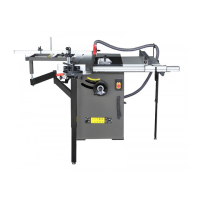
For Your Own Safety, Read Instruction Manual Before Operating This
Equipment
The purpose of safety symbols is to attract your attention to possible hazardous conditions. This manual
uses a series of symbols and signal words which are intended to convey the level of importance of the safety
messages. The progression of symbols is described below. Remember that safety messages by themselves
do not eliminate danger and are not a substitute for proper accident prevention measures.
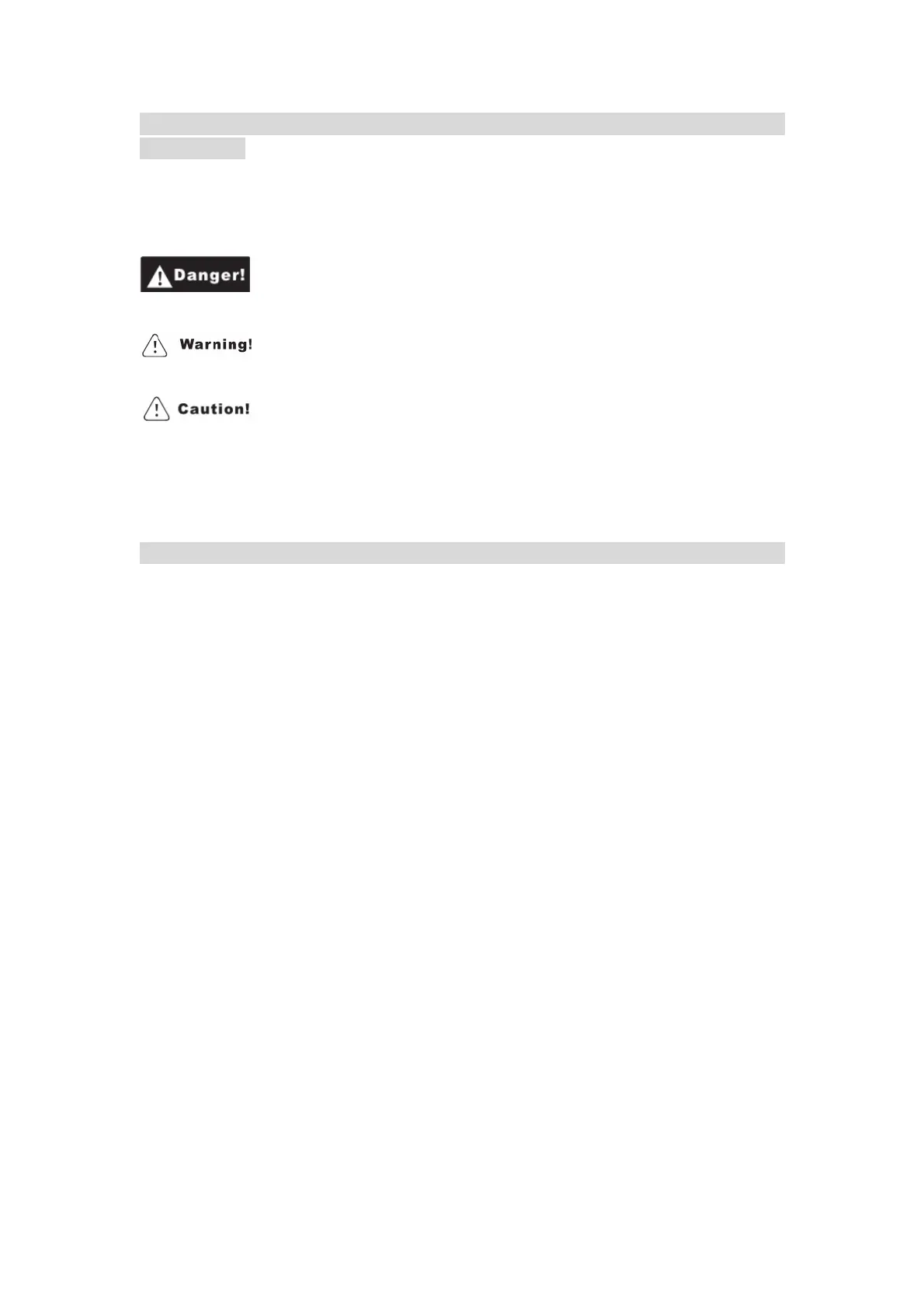
Indicates an imminently hazardous situation which, if not avoided, WHICH result in death or serious injury.
Indicates a potentially hazardous situation which, if not avoided, COULD result in death or serious injury.
Indicates a potentially hazardous situation which, if not avoided, MAY result in minor or moderate injury. It
may also be used to alert against unsafe practices.
This symbol is used to alert the user to useful information about proper operation of the equipment.
Safety Instructions for Power Tools
1. KEEP GUARDS IN PLACE and in working order.
2. REMOVE ADJUSTING KEYS AND WRENCHES. Form a habit of checking to see that keys and adjusting
wrenches are removed from tool before turning on.
3. KEEP WORK AREA CLEAN. Cluttered areas and benches invite accidents.
4. DO NOT USE IN DANGEROUS ENVIRONMENT. DO NOT use power tools in damp or wet locations, or where any
flammable or noxious fumes may exist. Keep work area well lighted.
5. KEEP CHILDREN AND VISITORS AWAY. All children and visitors should be kept at a safe distance from work
area.
6. MAKE WORKSHOP CHILD PROOF with padlocks, master switches, or by removing starter keys.
7. DO NOT FORCE TOOL. It will do the job better and safer at the rate for which it was designed.
8. USE RIGHT TOOL. DO NOT force tool or attachment to do a job for which it was not designed.
9. USE PROPER EXTENSION CORD. Make sure your extension cord is in good condition. Conductor size should be
in accordance with amperage rating. An undersized cord will cause a drop in line voltage resulting in loss of power and
overheating. Your extension cord must also contain a ground wire. Always repair or replace extension cords if they
become damaged.
10. WEAR PROPER APPAREL. DO NOT wear loose clothing, gloves, neckties, rings, bracelets, or other jewelry
which may get caught in moving parts. Non-slip footwear is recommended. Wear protective hair covering to contain
long hair.
11. ALWAYS USE SAFETY GLASSES. Also use face or dust mask if cutting operation is dusty. Everyday eyeglasses
only have impact resistant lenses, they are NOT safety glasses.
12. SECURE WORK. Use clamps or a vise to hold work when practical. It is safer than using your hand and frees both
hands to operate tool.
13. DO NOT OVERREACH. Keep proper footing and balance at all times.
14. MAINTAIN TOOLS WITH CARE. Keep tools sharp and clean for best and safest performance. Follow instructions
for lubricating and changing accessories.


 To Next Page
 Loading...