CHECK FOR GAS LEAKS
• Check that seals between the appliance and
the gas container are in place and in good
condition before connecting the gas
container.
• Only use the hose assembly as supplied
with this appliance for connection to the
cylinder – DO NOT USE ADAPTORS.
• Check that all connections are tight and that
the gas cylinder connection has been
tightened before you turn the cylinder gas
valve on.
• NEVER check for leaks with a flame or pilot
light.
• Using soapy water coat all connections, if
bubbles appear turn the cylinder gas
control off and retighten the connection
before re-testing.
• Inspect the appliance regularly for signs of
wear, leaks or incorrect operation. If
symptoms such as flaring of the burners,
issues with lighting, damages to hoses or
connections or leaks from seals or gas
controls are identified do not attempt to
repair, contact customer service of 1300
669 500.
• To check if gas remains in the cylinder,
disconnect from the appliance and hold the
cylinder in a vertical position then shake
from side to side, if there is a sound or feel
of liquid movement inside the cylinder
contains gas.
• When changing gas cylinders ensure this is
conducted outside in a well-ventilated
location free from people, animals and
ignition sources such as naked flames, pilot
lights and electrical equipment such as
heaters or elements.
SAFETY INSTRUCTIONS
This appliance must only be used in an above
ground open-air situation with natural
ventilation, without stagnant areas, where gas
leakage is rapidly dispersed by wind and
natural convection.
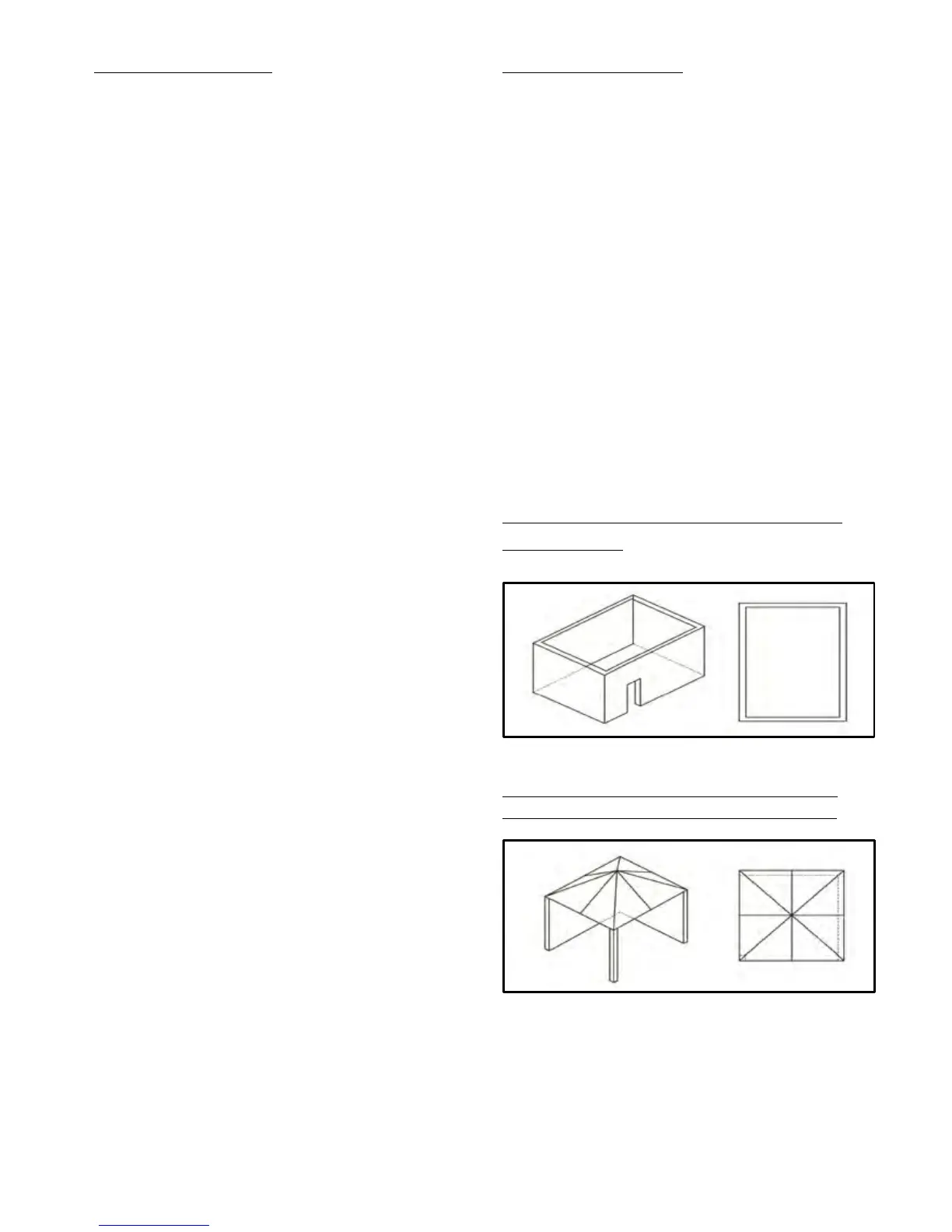
The following figures are diagrammatical
representations of outdoor areas suitable for
use with this appliance. Rectangular areas have
been used in these figures – the same
principles apply to any other shaped areas.
Any enclosure in which the appliance is
used shall comply with one of the following:
A) An enclosure with walls on all sides, but no
overhead cover:
FIGURE A1 – Outdoor Area Example 1.
B) Within a partial enclosure that includes an
overhead cover and no more than two walls:
FIGURE B1 – Outdoor Area Example 2.


 To Next Page
 Loading...