EasyManua.ls Logo

KENT Tilefire - User Manual

KENT Tilefire
2 pages
Print Icon
To Next Page IconTo Next Page
Loading...
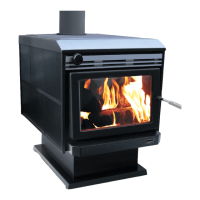
Tilefire
Model No. KWF296-6068
USER GUIDELINES
AND WARRANTY
(non-clean air model)
Thank you for purchasing a Kent wood fire. Used correctly it will provide you
with many years of warmth in your home. Kent wood fires have been the main
source of heating for many Kiwi homes, with nearly 400,000 installed.
Controlling the Tilefire:
On initial light up, the presence of smoke may be noticed. This is normal and
will dissipate quickly. DO NOT BURN YOUR HEATER TOO QUICKLY TO BEGIN WITH.
Allow several small fires to build up a layer of ash in the heater, and cure the
paint before using maximum power.
The Tilefire requires up to 40 cu.m/h of fresh air for burning, and this must come
from outside the house. A normal house will allow enough air in through
incidental openings to satisfy this. We recommend that a source of air be
located near the heater for best performance. This can be simply a window
that is left ajar while the heater is in use. If this is not possible, and the house is
particularly air-tight, a vent may need to be installed next to the heater to
provide the air required. Lack of air will lead to a heater that is hard to light
and get going, or in bad cases, to smoke spilling back into the room. This
situation can also lead to excessive carbon monoxide levels through
incomplete combustion.
There is only one control on the Tilefire. This is the air control, on the right side of
the ash spill tray below the door, which adjusts the amount of air that enters
the heater. Pushing in the control knob reduces the amount of air entering the
heater and reduces the burning rate.
While an air control is fitted, it is recommended that, for the cleanest
operation, this is left fully open and the amount of heat generated is adjusted
by the amount of fuel that is used. The heater burns cleanest when it is running
at a high rate. Reducing the air inlet setting drops the internal temperature of
the fire, which can lead to excessive smoke and emissions being produced.
This model is designed for easy lighting, simple operation and controllable
heat outputs.
Please ensure your installer completes and signs the
warranty registration card in this booklet and you return it
to us. We encourage you to read the warranty conditions
and draw your attention to improper fuel use.
Standard Warranty:
Your Kent wood burner is warranted for 10 years on the firebox with the exception of
the following Kent parts: glass, glass seal, door seal, fire bricks, flue, secondary air
system and removable baffle which will all have a 12 month warranty (parts only)
provided they have been installed by a NZ Home Heating Association registered
installer. The warranty does not apply to normal wear and tear, misuse or neglect,
nor if parts of the heater are replaced with non genuine Kent parts. Kent
recommends an annual service and flue sweep (years two to five) with replacement
of parts if recommended to obtain maximum life out of your wood burner.
Conditions:
Your Kent wood burner must be installed in accordance with the manufacturer’s
instructions and all applicable standards, regulations and by-laws. Your Kent wood
burner must be installed with a genuine Kent flue system purchased from your
authorised Kent retailer. Failure to do so will void your warranty in its entirety. The
company is not liable for any consequential damage by a failure or defect covered
in this warranty. All claims against the warranty must be directed in the first instance
to the retail outlet from which you made your purchase. Any repairs undertaken
without the express authority of Kent will invalidate this warranty. This warranty does
not cover damage caused by wetbacks/water boosters, burning improper fuels
(driftwood/treated wood/coal or plastic-based waste), or installation, plumbing and
sweeping work done by others (the installer is liable for any incorrect procedures or
poor workmanship).
Transferability:
Your Kent wood burner warranty is transferable on the sale of the home where the
wood burner is installed. Nothing in this warranty is intended to limit any conditions of
the warranty right or remedy pursuant to the Consumer Guarantee Act 1993, except
to the extent permitted under the Act. Your Kent wood burner is intended for
domestic use only and the warranty is not valid for wood burners to be used for
business purposes. Kent reserves the right to alter or amend specifications or designs
of its product without prior notice.
KENT WARRANTY
REGISTRATION
Please keep this copy for your records.
MODEL:………………………………………………............................
SERIAL NUMBER:……………………………………………………………
RETAILER:…………………………………………………………………….
PURCHASE DATE:…………………………………………………………..
INVOICE NUMBER:……………………………………............................
(Please keep your invoice attached to your warranty record).
INSTALLER NAME:…………………………………….…………………….
DATE INSTALLED:…………………………………………………………...
NZ HOME HEATING
ASSOCIATION NUMBER:………………………….……………………….
INSTALLER SIGNATURE:……………………………………………………
FreePost KENT
Aber Holdings Ltd
PO Box 10095
Te Rapa
Hamilton 3241
KEEP THIS IN A SAFE PLACE FOR FUTURE REFERENCE.
Distributed by:
Aber, Hamilton, NZ
www.aber.co.nz
3634-03/13
EASY ONLINE OPTION
Go to www.kent.co.nz to
complete your registration
online. Quick and easy for

complete peace of mind.
Question and Answer IconNeed help?

Do you have a question about the KENT Tilefire and is the answer not in the manual?

Summary

Standard Warranty

Conditions

Outlines conditions and requirements for warranty validity, including proper installation and fuel use.

Transferability

Explains how the warranty can be transferred to a new homeowner.

KENT Warranty Registration

EASY ONLINE OPTION

Provides instructions for registering the warranty online via the website.

User Guidelines and Warranty

Controlling the Tilefire

Explains how to control the Tilefire's heat output using the air control for efficient burning.

Lighting your fire

Normal operation once the fire is established

Describes how to operate the heater once the fire is well established, focusing on airflow and flame.

Cleaning out the heater

Provides instructions on how to clean the heater, including ash removal and proper disposal.

In the event of a flue fire

Details emergency procedures to follow in case of a chimney fire.

Correct flue sizing

Explains the importance of correct flue sizing for optimal heater performance and draft.

KENT Warranty Registration

Privacy Act Notice

Informs users about how their data may be used for marketing and development purposes.

Overview

This document describes the Kent Tilefire wood burner, Model No. KWF296-6068, a non-clean air model designed for domestic heating.

Function Description:

The Kent Tilefire is a wood-burning heater designed to provide warmth for homes. It operates by burning wood, generating heat that radiates into the living space. The device features an air control mechanism to regulate the burning rate and heat output. It is intended for use with a 150mm diameter full-length flue system. The heater is designed for easy lighting and simple operation, aiming for controllable heat outputs.

Important Technical Specifications:

  • Model Number: KWF296-6068
  • Air Requirement: Requires up to 40 cu.m/h of fresh air for burning, which should ideally come from outside the house. A normal house typically allows sufficient air through incidental openings, but for particularly airtight homes, a vent near the heater may be necessary. Lack of adequate air can lead to difficult lighting, smoke spillage, and potentially excessive carbon monoxide levels.
  • Flue System: Designed for use with a 150mm diameter full-length flue. Using larger flues can lead to sub-optimal performance due to longer warm-up times, greater heat loss, and increased creosote condensation. In extremely cold weather or high atmospheric conditions, larger flues might over-draft the appliance.
  • Draft Reading: The correct draft reading for the flue, when the heater is operating on high and has reached operating temperature, is 0.1 Water Column Inches.
  • Warranty:
    • Firebox: 10-year warranty.
    • Other Parts (glass, glass seal, door seal, fire bricks, flue, secondary air system, removable baffle): 12-month warranty (parts only), provided they are installed by an NZ Home Heating Association registered installer.
    • Exclusions: Normal wear and tear, misuse, neglect, non-genuine Kent replacement parts, damage from wetbacks/water boosters, burning improper fuels (driftwood, treated wood, coal, plastic-based waste), or incorrect installation/plumbing/sweeping work by others.
    • Transferability: The warranty is transferable on the sale of the home where the wood burner is installed.
    • Usage: Intended for domestic use only; not valid for business purposes.

Usage Features:

  • Lighting Procedure:
    1. Rotate the air control knob (located on the left side above the door) to the fully open position.
    2. Place crumpled newspaper in the base of the firebox, criss-cross with 8-10 pieces of dry split kindling, and stack several pieces of dry split firewood (no greater than 30cm in length) on top.
    3. Ignite the paper and partly close the door. Allow the fire to establish for a few minutes, then open the door to add more wood.
    4. Close the door, keeping the air control fully open until the wood is well alight.
    5. It may be necessary to leave the door ajar for longer periods or use more kindling to establish enough heat to warm up the flue. The door should only be fully closed once the flue is sufficiently warm to create the necessary draft.
  • Fuel Loading: For greatest efficiency and a clean burn, wood is best loaded in a front-to-back configuration.
  • Normal Operation: Once the fire is established and the door is fully closed, the heat output is regulated by the amount of wood used. To reload, open the air control fully (if it was pushed in), then open the door. Rake contents to move unburnt wood forward before adding new wood. Operate with the air control fully open for 10-15 minutes to re-establish the fire before adjusting the air control. Avoid burning large pieces of wood against the firebricks. A rolling, boiling flame pattern indicates maximum combustion performance. The air control should generally be fully open when there is unburnt wood.
  • Air Control: The Tilefire has one air control, located on the right side of the ash spill tray below the door. Pushing the control knob in reduces the air entering the heater and slows the burning rate. For the cleanest operation, it is recommended to leave the air control fully open and adjust heat output by the amount of fuel used. Running at a high rate ensures the cleanest burn. Reducing the air inlet setting lowers internal temperature, potentially leading to excessive smoke and emissions.
  • Initial Use: Expect some smoke on initial light-up; this is normal. Avoid burning the heater too quickly initially. Allow several small fires to build up an ash layer and cure the paint before using maximum power.
  • Glass Visibility: The view of the flame through the glass door indicates performance. A rolling flame is ideal. At reduced settings, the flame will be slower, and creosote may condense on the glass. Clean glass (without black or brown deposits) indicates correct operation; whitish bloom is normal.
  • Creosote Formation: Slow burning of wood produces tar and organic vapours that combine with moisture to form creosote, which can condense in the flue. Excessive creosote build-up can ignite, causing a flue fire.
  • Flue Fire Procedure: In case of a flue fire, close the air control fully to minimize air to the burning flue. Prepare for evacuation and contact the Fire Department. Watch for ignition of adjacent combustibles from the over-heated flue, hot embers, or sparks.

Maintenance Features:

  • Ash Management: The heater should require minimal cleaning if operated correctly. Most ash will be consumed, and an ash bed will be maintained. If daily ash cleaning is needed, it indicates incorrect operation (wet wood, foreign materials, or air control too low). Do not completely clean out the firebox; leave at least 25mm of ash to insulate the firebox and aid air circulation. When emptying ashes, use a metal container with a tight-fitting lid. Take the container outdoors immediately to a location away from combustible materials. Ashes should be retained in the container until completely extinguished and cold (may take several days) before disposal.
  • Flue Inspection and Cleaning: The flue should be inspected at least every two months during the heating season, and before the start of the season. If the heater operates without creating creosote deposits, inspection intervals can be increased, but the flue must be inspected and cleaned at least once a year. A professional chimney sweep should sweep the flue to remove creosote and soot, and advise on any problems.
  • Exterior Cleaning: Clean exterior surfaces with a damp cloth and non-abrasive cleaner as needed. Avoid caustic or abrasive cleaners, which can damage the finish.
  • Door Glass Cleaning: If the door glass is dirty due to low-temperature burning, use a paper towel moistened with water and dipped in cold ashes from the fire to lightly scrub the inside of the glass. A properly operated heater should keep the glass clean by itself.
  • Lubrication: Lubricate door hinges, door handle spindle, and air slide mechanism every few months of use with a suitable high-temperature grease. Avoid excessive grease, as it can melt and stain the hearth.
  • Other Maintenance: Any other maintenance should be performed by qualified service staff. Consult a Kent dealer for local service. Only original Kent replacement parts should be used. The appliance should not be modified except according to Kent's instructions.
  • Annual Service: Kent recommends an annual service and flue sweep (years two to five) with replacement of parts if recommended, to maximize the wood burner's life.

KENT Tilefire Specifications

General IconGeneral
BrandKENT
ModelTilefire
CategoryWood stove
LanguageEnglish

Related product manuals