EasyManua.ls Logo

KERR OptiBond Solo Plus - User Manual

Default Icon
8 pages
Print Icon
To Next Page IconTo Next Page
Loading...
Refer to complete Directions for Use booklet regarding specifics by indication
for both Direct and Indirect application.
Technique Summary
Question and Answer IconNeed help?

Do you have a question about the KERR OptiBond Solo Plus and is the answer not in the manual?

Summary

Direct Technique Guide

Direct Application Procedure

Steps include etching, applying adhesive, air thinning, light curing, and placing composite for direct restorations.

Veneers Technique Guide

Veneer Application Procedure

Steps involve etching, adhesive application, air thinning, light curing, seating restoration, and polishing margins for veneers.

Crowns, Inlays, Onlays Technique Guide

Indirect Restoration Procedure

Process includes etching, adhesive application, air thinning, light curing, seating restoration, and final light cure for indirect restorations.

Posts Technique Guide

Post Placement Procedure

Steps cover etching, adhesive application to post, light curing, cement application, seating post, and final light cure for post placement.

Core Materials Technique Guide

Core Build-up Procedure

Procedure involves etching, adhesive application, light curing, applying core material in increments, and light curing the core build-up.

Summary

Direct Technique Guide

Direct Application Procedure

Steps include etching, applying adhesive, air thinning, light curing, and placing composite for direct restorations.

Veneers Technique Guide

Veneer Application Procedure

Steps involve etching, adhesive application, air thinning, light curing, seating restoration, and polishing margins for veneers.

Crowns, Inlays, Onlays Technique Guide

Indirect Restoration Procedure

Process includes etching, adhesive application, air thinning, light curing, seating restoration, and final light cure for indirect restorations.

Posts Technique Guide

Post Placement Procedure

Steps cover etching, adhesive application to post, light curing, cement application, seating post, and final light cure for post placement.

Core Materials Technique Guide

Core Build-up Procedure

Procedure involves etching, adhesive application, light curing, applying core material in increments, and light curing the core build-up.

Overview

This document provides a technique summary for OptiBond™ Solo Plus, a single-component total-etch adhesive from Kerr Sybron Dental Specialties. It outlines the steps for various dental applications, including direct restorations, veneers, crowns, inlays, onlays, posts, and core materials. The adhesive is designed for use in both direct and indirect applications, with specific instructions provided for each.

General Application Steps (Common to most procedures):

The initial steps for most applications involve etching, rinsing, drying, and applying the OptiBond™ Solo Plus adhesive.

  1. Etching: The enamel and dentin are etched for 15 seconds using phosphoric acid. This step is crucial for preparing the tooth surface for optimal bonding.
    • Caution: Phosphoric acid can cause irritation if it comes into contact with skin, eyes, or soft tissue. In case of contact, immediate flushing with water is recommended, and medical attention should be sought for eye contact. The product should not be taken internally.
  2. Rinsing and Drying: After etching, the etched area is rinsed for 15 seconds and then gently air-dried. It's important not to desiccate (over-dry) the tooth surface.
  3. Adhesive Application: OptiBond™ Solo Plus is applied for 15 seconds using a light brushing motion.
    • Caution: Uncured methacrylate resin can cause contact dermatitis and damage the pulp. Avoid contact with skin, eyes, and soft tissue. In case of contact, wash thoroughly with water.
  4. Air Thinning and Light Curing: The adhesive is then air-thinned for 3 seconds to avoid pooling, followed by light curing.
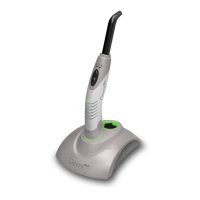
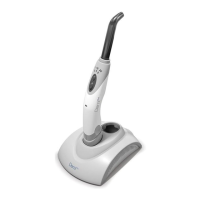
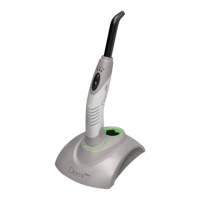
    • Recommended Cure Times: The document provides specific light cure times for various curing lights:
      • The Demi™: 5 seconds
      • L.E.Demetron II: 5 seconds
      • L.E.Demetron I: 10 seconds
      • Optilux™ 501: 10 seconds in Boost mode, 20 seconds in Ramp mode, or 20 seconds in Regular mode.
      • For other lights, users should refer to the manufacturer's recommendations.

Specific Application Techniques:

Direct Technique (for composite restorations):

After the general application steps (etching, rinsing, drying, adhesive application, air thinning, and light curing), the composite material is placed and then light cured.

Veneers:

The process for veneers follows the general application steps. After light curing the adhesive, the following steps are performed:

  1. Shade Selection and Resin Placement: An appropriate shade of base luting resin is selected and placed into the restoration according to the manufacturer's instructions.
  2. Restoration Seating and Excess Cement Removal: The restoration is gently seated, and any excess cement is removed.
  3. Light Curing All Surfaces: All surfaces of the restoration are light cured.
  4. Margin Polishing: Margins are polished using appropriate materials.

Crowns, Inlays, Onlays:

Similar to veneers, the process for crowns, inlays, and onlays begins with the general application steps. After light curing the adhesive, the subsequent steps are:

  1. Shade Selection and Resin Cement Placement: An appropriate shade of resin cement (NX3) is selected and placed into the restoration, following the manufacturer's instructions.
  2. Restoration Seating and Excess Cement Removal: The restoration is gently seated, and any excess cement is removed.
  3. Light Curing All Surfaces: All surfaces of the restoration are light cured.

Posts:

The technique for posts also incorporates the general application steps. After etching, rinsing, and drying the tooth, the following steps are specific to post placement:

  1. Adhesive Application to Post: OptiBond™ Solo Plus is applied to the post itself, air-dried for 3 seconds, and then light cured.
  2. Adhesive Application to Tooth: OptiBond™ Solo Plus is applied to the tooth for 15 seconds using a light brushing motion, air-thinned for 3 seconds to avoid pooling, and then light cured.
  3. Shade Selection and NX3 Placement: An appropriate shade of NX3 is selected and placed into the restoration.
  4. Cement Application to Post and Seating: Cement is applied to the post, and the post is then seated. Any excess cement is removed.
  5. Light Curing All Surfaces: All surfaces are light cured.

Core Materials:

For core build-ups, the general application steps are followed. After light curing the adhesive, the subsequent steps are:

  1. Core Material Application: Core material is applied in 2 mm increments.
    • Note: It is crucial to avoid using the self-cure mode and always light cure the core material.
  2. Light Curing All Surfaces: All surfaces are light cured after each increment.
  3. Bulk Build-up and Light Curing: The remaining core is built up in bulk and then light cured.

Safety and Maintenance:

The document emphasizes safety precautions related to the chemical components of the product:

  • Phosphoric Acid: Avoid contact with skin, eyes, and soft tissue. In case of contact, flush immediately with water and seek medical attention for eyes. Do not ingest.
  • Uncured Methacrylate Resin: Can cause contact dermatitis and damage the pulp. Avoid contact with skin, eyes, and soft tissue. In case of contact, wash thoroughly with water.

While the document focuses on application techniques, it implicitly suggests that proper handling and storage of the product, as well as adherence to recommended cure times, are essential for optimal performance and longevity of the dental restorations. The emphasis on referring to the complete Directions for Use booklet for specifics by indication for both direct and indirect application highlights the importance of comprehensive understanding for effective and safe use.

KERR OptiBond Solo Plus Specifications

General IconGeneral
ColorYellow
PackagingBottle
SolventEthanol
Light CureYes
Shelf Life2 years
ManufacturerKerr Corporation
TypeAdhesive
IndicationsDirect and indirect restorations
Compositionethanol
Curing MethodLight-cured
Storage ConditionsStore at room temperature, protect from light
ComponentSingle component

Related product manuals