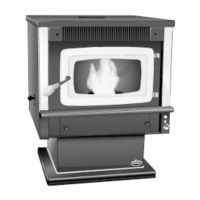
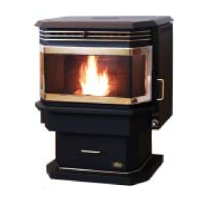
This document outlines the installation procedure for the KOZI Pellet Stove Auger Chute Gasket Kit, applicable to XL 100, KSH 120, and BayWin models. The kit is designed to ensure proper sealing of the auger chute, which is crucial for the efficient and safe operation of the pellet stove. The auger chute gasket plays a vital role in maintaining the integrity of the combustion chamber, preventing air leaks that could affect burn efficiency and potentially allow smoke or fumes to escape into the living space. By creating a tight seal, the gasket helps to optimize the airflow within the stove, leading to more complete combustion of the wood pellets and reducing the emission of unburnt particles. This contributes to a cleaner burn and minimizes the accumulation of creosote, a flammable byproduct that can build up in the chimney and pose a fire hazard.
The installation process begins with preparing the pellet stove by removing several internal components. For both the XL 100/KSH 120 and BayWin models, the first step involves removing the splash guard, the burn pot, and the burn pot stand. These components are typically located at the front of the combustion chamber and are designed to protect the internal workings of the stove and support the burning pellets. Their removal provides access to the areas where the auger chute gasket will be installed and allows for the subsequent removal of the heat shields. The splash guard, for instance, often prevents ash and debris from scattering, while the burn pot is where the pellets are ignited and combusted. The burn pot stand elevates the burn pot to allow for proper airflow and ash collection.
Following the removal of the initial components, the internal heat shields must be taken out. For the XL 100 and KSH 120 models, this involves a specific order: first the top heat shield, then the side heat shields, and finally the back heat shield. These heat shields are crucial for directing heat within the stove, protecting the outer casing from excessive temperatures, and improving the overall heat transfer efficiency. They are typically made of metal and are designed to withstand high temperatures. Removing them provides full access to the auger chute area, which is necessary for the gasket installation. In the case of the BayWin model, the process is slightly simpler, requiring only the removal of the back heat shield. This difference in procedure highlights potential variations in the internal design and construction between the different KOZI pellet stove models, even though the ultimate goal of gasket installation remains the same.
Once the internal components are removed, the auger chute gasket can be installed. The kit includes two gaskets: a thin gasket and a thicker gasket. The instructions specify that the thin gasket should be placed first, followed by the thicker gasket. This layering approach is likely designed to create a more robust and effective seal, accommodating any minor irregularities in the mating surfaces and providing enhanced insulation. The gaskets are positioned around the auger chute, which is the mechanism responsible for feeding wood pellets from the hopper into the burn pot. A proper seal here is critical to prevent combustion gases from escaping into the auger mechanism or the hopper, which could lead to inefficient burning or even a fire hazard within the hopper itself. The precise placement of these gaskets ensures that the auger chute is completely sealed off from the combustion chamber, maintaining a controlled environment for burning.
The final step in the installation process involves reassembling the heat shields, paying close attention to the positioning of the auger chute gasket. When placing the back heat shield back into position, it is essential to ensure that the bottom edge of the thick auger chute gasket sits on top of two specific screws. These screws likely serve as alignment points or supports for the gasket, ensuring it remains correctly seated and maintains its seal. This detail is crucial for the long-term effectiveness of the gasket. If the gasket is not properly seated, it may become dislodged, compressed unevenly, or fail to provide an adequate seal, compromising the stove's performance and safety. The instructions emphasize this specific alignment to prevent such issues, highlighting the importance of precision during reassembly.
Regular maintenance of the auger chute gasket is essential for the continued safe and efficient operation of the pellet stove. Over time, heat, pressure, and the abrasive nature of ash and pellets can cause the gasket material to degrade, harden, crack, or lose its elasticity. A worn or damaged gasket will compromise the seal, leading to air leaks that can reduce burning efficiency, increase fuel consumption, and potentially allow smoke or carbon monoxide to escape. Therefore, it is recommended to periodically inspect the auger chute gasket for any signs of wear, damage, or deterioration. This inspection should ideally be part of a broader annual maintenance routine for the pellet stove, which typically includes cleaning the burn pot, ash pan, heat exchangers, and flue pipe.
When inspecting the gasket, look for visible cracks, tears, hardening, or areas where the material appears to be compressed or flattened excessively. If any of these signs are present, the gasket should be replaced promptly. Replacing a worn gasket is a relatively straightforward process, as outlined in these instructions, and can significantly extend the lifespan and improve the performance of the pellet stove. By ensuring a tight seal, a new gasket helps maintain optimal combustion conditions, reduces the risk of creosote buildup, and enhances the overall safety of the appliance. Furthermore, a well-maintained gasket contributes to a cleaner burning stove, which is beneficial for both indoor air quality and the environment.
The auger chute gasket kit is a critical component for maintaining the operational integrity of KOZI pellet stoves. Its proper installation and regular maintenance are not just about efficiency but also about safety. A correctly sealed auger chute prevents dangerous back burning into the auger system or hopper, ensures that combustion gases are properly vented, and helps to maintain the controlled environment necessary for complete and clean combustion. The detailed instructions provided in this document, including the specific order of component removal and reassembly, are designed to guide users through the process, ensuring that the gasket is installed correctly and effectively. Adhering to these guidelines will help users maximize the performance, safety, and longevity of their KOZI pellet stoves.



 To Next Page
 General