EasyManua.ls Logo

Lark M1 - User Manual

Lark M1
4 pages
Print Icon
To Next Page IconTo Next Page
Loading...
Lark M1 FAQ
1. How to solve that iPhone cannot record when connected to Lark M1
A. For iphone accessories must have MFi (Made for iPhone/iPod/iPad) certified, if it don't that
won't record when connect from Lightning to 3.5mm Adapter without MFi certified ;
Note: Please purchase the cable from the official Apple store
2. How to solve can not record when some of Android Smartphones connected to Lark M1?
A. Please check the setting of sound on your smartphone, Enter => [Settings] => [Sound and
Vibration] => [More Sound Settings] => [Default Recording Device] and select the [ external
device].
If the smartphone does not have this setting option:
B. The native camera apps of some Android Smartphones do not record with any external
microphones, please use third-party camera apps such as Tiktok,SnackVideo or others .
3. How to solve the loud background noise in recording when smartphone is connected to
Lark M1 via Type-C to 3.5mm adapter?
A. it must use a Type C to 3.5 adapter with a DAC/ Hi-Res for recording to get good performance.
4. How to solve can not record when samsung smartphone connect to Lark M1?
A. If there are [3.5mm headphone port] and [Type C ] on Samsung smartphones, use 3.5mm TRS
to 3.5mm TRRS Patch Adapter Cable connect to Lark M1, if it only type C, that must use official
Type C adapter accessories. or it will prompt "Unsupported Accessory" and cannot record .
Question and Answer IconNeed help?

Do you have a question about the Lark M1 and is the answer not in the manual?

Summary

iPhone Recording Connectivity

iPhone MFi Certified Accessories

Ensure iPhone accessories are MFi certified for proper recording with Lark M1.

Android Recording Issues

Android Sound Settings for Recording

Configure smartphone sound settings to select 'external device' as default recording input.

Android Third-Party Camera Apps

Use third-party camera apps if native apps do not support external microphones.

Smartphone Adapter for Noise Reduction

Type-C to 3.5 mm Adapter with DAC;Hi-Res

Use a Type-C to 3.5mm adapter with DAC/Hi-Res for optimal recording performance.

Samsung Smartphone Connectivity

Samsung Connectivity Options

Use 3.5mm TRS to TRRS cable for phones with both ports, or official Type-C accessories.

Camera App Recording Button Fix

Camera App Recording Button Issue

Ensure a Type-C to 3.5mm adapter with DAC/Hi-Res is used for camera app functionality.

Lark M1 Recording Volume Control

Adjusting Lark M1 Recording Volume

Increase volume by pressing '+' on receiver; levels adjust to maximum with three presses.

Microphone Distance for Volume

Adjust microphone distance from mouth; closer is louder, farther is lower.

Preventing High Volume;Distortion

Avoid holding mic too close to mouth to prevent distortion and damage; clip to neckline instead.

iPhone AGC and Volume Adjustment

Manage iPhone's AGC by reducing volume on receiver or moving transmitter away from mouth.

Mobile Phone Connection Cables

Android Phone Cable Selection

Use 3.5mm TRS to TRRS for phones with headphone jack and Type-C, or Type-C to 3.5mm with DAC.

iPhone Cable Selection

Use Apple Lightning to 3.5mm adapter or 3.5mm TRS to TRRS cable for iPhones.

Camera Recording Noise Issues

Camera Recording Volume Settings

Set camera recording volume to minimum for Sony, Canon, or Fuji cameras.

Computer Live Streaming Setup

Computer Live Streaming Connection

Use a USB sound card for computer live streaming, not a direct 3.5mm audio cable.

Technical Support

Product Technical Support Link

Access product technical support via the provided Zendesk help link.

Overview

This document provides a comprehensive FAQ for the Lark M1, a device designed to enhance audio recording, particularly with smartphones and cameras. It addresses common issues users might encounter and offers solutions, covering connectivity, audio quality, and compatibility across various devices.

Function Description

The Lark M1 is primarily an external microphone system intended to improve audio recording quality compared to built-in device microphones. It is designed to work with a range of devices, including iPhones, Android smartphones, and cameras (Sony, Canon, Fuji). The system aims to provide clear audio by addressing issues such as background noise, low or high recording volume, and compatibility challenges. It utilizes various adapters and cables to ensure proper connection and optimal performance, depending on the host device's port configuration. For computer connectivity, it functions as an audio input device, typically requiring a USB sound card for live streaming or recording.

Usage Features

Smartphone Connectivity and Audio Quality:

  • iPhone Connectivity: To record with an iPhone, the Lark M1 requires an MFi (Made for iPhone/iPod/iPad) certified Lightning to 3.5mm adapter. Non-MFi certified adapters will not allow recording. Users are advised to purchase such cables from the official Apple store to ensure compatibility and functionality.
  • Android Smartphone Connectivity (General):
    • Recording Issues: If an Android smartphone cannot record, users should check the sound settings. Navigate to "Settings" > "Sound and Vibration" > "More Sound Settings" > "Default Recording Device" and select "external device."
    • No "Default Recording Device" Option: If this setting is unavailable, some native camera apps on Android smartphones may not support external microphones. In such cases, users should use third-party camera apps like TikTok or SnackVideo.
    • Loud Background Noise: To mitigate loud background noise when connecting via a Type-C to 3.5mm adapter, it is crucial to use an adapter with a DAC (Digital-to-Analog Converter) and Hi-Res audio support. This ensures better audio processing and reduces unwanted noise.
  • Samsung Smartphone Connectivity:
    • With 3.5mm Headphone Port and Type-C: For Samsung phones with both ports, use a 3.5mm TRS to 3.5mm TRRS Patch Adapter Cable to connect to the Lark M1.
    • Type-C Only: If the Samsung phone only has a Type-C port, users must use official Type-C adapter accessories. Using unofficial adapters may result in an "Unsupported Accessory" prompt and prevent recording.
  • Low Recording Volume:
    • Receiver Adjustment: The recording volume can be adjusted from the receiver. Pressing the "+" button three times will set the volume to maximum. The Lark M1 has three volume levels, with medium being the default.
    • Microphone Distance: Adjusting the distance between the microphone and the mouth can also control volume. Closer proximity results in louder audio, while farther distance results in lower audio.
  • High Recording Volume:
    • Microphone Placement: To avoid overexposed and distorted recordings, do not hold the microphone too close to the mouth. This also prevents saliva from damaging the microphone. It is recommended to clip the microphone to the neckline, slightly close to the mouth.
  • Occasional Low Recording Volume (iPhone 12 Pro and other smartphones): Some smartphones, including the iPhone 12 Pro, employ automatic gain control (AGC), which can automatically reduce recording volume if the sound is too loud. To address this, press the "-" button on the receiver (RX) to reduce the volume, or place the transmitter (TX) slightly away from the mouth.

Camera Connectivity and Audio Quality:

  • Loud Background Noise with Cameras: When connecting the Lark M1 to Sony, Canon, or Fuji cameras, users need to set the camera's recording volume to the minimum to prevent loud background noise.
    • Sony: Set recording volume to 1.
    • Canon: Set to the first grid.
    • Fuji: Set to -27dB.

Computer Connectivity for Live Streaming:

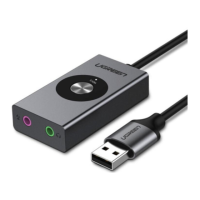
  • Connecting to a Computer: To connect the Lark M1 to a computer for live streaming, a USB sound card is required. Do not connect directly using a 3.5mm audio cable, as this requires complicated computer settings. After connecting via a USB sound card, select "USB sound card" as the recording input.

Cable and Adapter Selection:

The document provides a detailed guide for selecting the correct cable or adapter based on the smartphone's port configuration:

  • Android Phones with 3.5mm Headphone Port and Type-C: Use a 3.5mm TRS to 3.5mm TRRS Patch Adapter Cable.
  • Android Phones with Type-C Only:
    1. Use a Type-C to 3.5 adapter with a DAC/Hi-Res.
    2. Alternatively, use a 3.5mm TRS to 3.5mm TRRS Patch Adapter Cable.
  • iPhone:
    1. Use an Apple Lightning to 3.5mm Headphone Jack Adapter from the official Apple store.
    2. Alternatively, use a 3.5mm TRS to 3.5mm TRRS Patch Adapter Cable.

Maintenance Features

  • Microphone Film: For first-time use, there is a protective film on top of the microphone that needs to be removed to ensure optimal performance.
  • Preventing Damage: Avoid holding the microphone too close to the mouth to prevent saliva from spraying into and damaging the microphone.
  • Technical Support: For any product issues or technical assistance, users can visit the Hollyland technical support website at https://hollyland-techhelp.zendesk.com/hc/en-us.

Lark M1 Specifications

General IconGeneral
Battery LifeUp to 8 hours
Connectivity2.4 GHz Wireless
Polar PatternOmnidirectional
TypeWireless Lavalier Microphone
Signal-to-Noise Ratio70dB
Transmission RangeUp to 100 meters (328 feet)

Videos

How To Connect Hollyland Lark M1 to iPhone

How To Connect Hollyland Lark M1 to Laptop

How to use the volume settings on the Hollyland Lark M1 wireless mic