EasyManua.ls Logo

LEGRAND 643087 - User Manual

LEGRAND 643087
4 pages
Print Icon
To Next Page IconTo Next Page
Loading...
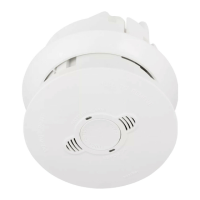
PROFESSIONAL FLUSH MOUNTED SMOKE ALARM
INSTALLATION INSTRUCTIONS
Warranty
Legrand will honour all statutory guarantees that you as a consumer are
entitled to rely upon under the Australian and New Zealand Consumer Laws
against a manufacturer including a guarantee that any products
Legrand has manufactured or imported are of acceptable quality.
To make a claim under any statutory guarantee (or other warranty) you
should first contact the supplier, contractor or retailer from whom you
purchased the products.
Customer Service
For all Customer Service and Technical Support enquires please call
Monday to Friday during business hours.
Legrand Australia
1300 369 777
www.legrand.com.au
ABN: 31 000 102 661
LE09894AAB
Develop and Practise a Plan of Escape:
n Make a floor plan indicating all doors and windows and at least two escape
routes from each room. Second storey house windows may need a rope or
chain ladder.
n Have a family meeting and discuss your escape plan, showing everyone
what to do in case of fire.
n Determine a place outside your home where all of you can meet, if a fire
occurs.
n Familiarise everyone with the sound of the smoke alarm and practice
leaving your home when they hear it.
n Practice a fire drill at least every six months, including drills at night.
Practice allows you to test your plan before an emergency. You may not be
able to reach your children. It is important that they know what to do!
What to do when the Alarm Sounds:
n Leave immediately by your plan of escape. Every second counts, so don’t
waste time getting dressed or picking up valuables.
n In leaving, don’t open any inside door without first feeling its surface. If hot,
or if you see smoke seeping through cracks, don’t open that door! Instead,
use your alternative exit. If inside door is cool, place your shoulder against
it, open it slightly and be ready to slam it shut if heat and smoke rush in.
n Stay close to the floor if air is smoky. Breathe shallowly through a wet cloth
if possible.
n Once outside, go to your selected meeting place and make sure everyone
is there.
n Call the Fire Brigade from your neighbour’s home - not from yours!
n Don’t return to your home until officials say that it is safe to do so. For
additional information on fire safety, contact your local Fire Brigade.
Disclaimers:
1. This product must be installed by a licenced electrician.
2. For indoor use only
3. This product should not be installed in areas exposed to constant vibration, temperature
fluctuations, or areas of high humidity.
4. This product contains no serviceable parts and no attempt should be made to repair this product.
If the product is faulty it should be discarded.
5. Severe electromagnetic interference from other products may cause malfunction of
this product.
6. This product is intended for domestic or similar uses. It is not suitable for use in an environment
heavily laden with dust.
7. This product has a 10 year design life from the date of installation. At the end of this time it should
be replaced.
8. This product has been designed to operate in ambient temperatures: 0°C to 40°C.
9. This product is not suitable for marine environments such as areas subject to salt spray
and/or mist.
10. This product is not suitable for installation in hazardous and/or corrosive areas.
11. This product has been designed for domestic or similar uses and is not suitable for a commercial
installation.
12. The material in this product may vary in colour from batch to batch. Colour matching from one
batch to another cannot be guaranteed.
13. Electrical installations periodically receive transient over voltages. This product has been
designed to minimise the effect of such voltages on connected equipment. It may not give
full protection for extreme over voltage transients such as those resulting from a close
lighting strike.
14. This product has been designed to operate on a nominal supply voltage of 230V - 240V a.c. ± 6%.
15. This product must be installed and used as per these instructions.
16. After installation this product must be tested as required by the appropriate government and/or
staturatory regulations.
17. This product utilises intellectual property in the form of registered designs, trademarks, and/or
patents. Such intellectual property remains the property of Legrand in all cases.
18. Legrand reserves the right to modify the specification of this product at any time.
THIS SMOKE ALARM HAS BEEN TESTED AND PASSED TO AS3786
DEAR ELECTRICIAN: PLEASE LEAVE THIS MANUAL FOR THE OWNER. THANK YOU FOR CHOOSING THIS SMOKE ALARM.
06/18 LEG1726-C
Legrand New Zealand
0800 476 009
www.legrand.co.nz
Avoid These Locations:
Do not place alarm in the following locations:
n The garage. Gas released when you start your automobile may cause
false alarms.
n In front of forced air supply ducts used for heating and air-conditioning and
other high airflow areas.
n In the peak of an “A” frame type of ceiling.
n In areas where temperatures may fall below +0ºC or rise above +40ºC.
n In dusty areas, dust particles may cause smoke alarm to false alarm or fail
to alarm.
n We do not recommend installation in or directly adjacent to areas of
high condensation such as bathrooms & laundries due to potential for
false alarms.
n Kitchen/cooking areas.
Battery:
n This smoke alarm uses a 3V non replaceable lithium battery to
automatically provide back-up power to the alarm if the AC power fails. The
battery will operate the alarm for approximately one to three months with
AC power off.
n The 3V non replaceable battery has an estimated 10 year life under normal
working condition.
The Limitations of Smoke Alarms:
n Smoke alarms cannot provide an alarm if smoke does not reach the alarm.
Therefore, smoke alarms may not sense fires starting in chimneys, walls,
on roofs, on the other side of a closed door, or on a different floor.
n If the alarm is located outside the bedrooms, or on a different floor, it may
not wake up sound sleepers. A smoke alarm in the bedroom, is therefore
recommended as additional protection.
n Smoke alarms have been significant in saving lives in many parts of the
world. However, U.S. Government research indicates that they may not give
early enough warning in up to 35% of fires. Hence, the use of this product
does not act as a substitute for basic prevention.
n Although smoke alarms can help save lives by providing early warnings of
a fire, they are not a substitute for an insurance policy.
n This smoke alarm alone will not alert the hearing impaired. Use special
purpose smoke alarm with lights or vibrating devices, for those hard
of hearing.
False Alarms:
n Dust generated on building construction sites can cause false alarms.
The red plastic bag is intended to protect the smoke alarm during the
building construction phase.
n This smoke alarm is designed to minimise false alarms. Smoking will not
normally set off the alarm unless smoke is blown directly into the alarm.
n Combustion particles from cooking may set off the alarm if the alarm is
located close to the cooking surface.
n Because large quantities of combustion particles are generated from spills
or grilling an alarm with a Hush Control device is preferable near a kitchen
environment.
n If the alarm does sound, check for a fire before silencing the alarm. If a fire
is discovered, escape quickly and call the Fire Brigade.
Question and Answer IconNeed help?

Do you have a question about the LEGRAND 643087 and is the answer not in the manual?

Summary

Avoid These Locations

Unsuitable Installation Areas

Avoid garages, high airflow areas, peaked ceilings, extreme temperatures, dusty environments, and areas with high condensation.

Battery Information

Battery Type and Lifespan

Uses a 3V non-replaceable lithium battery for backup, lasting 1-3 months with AC power off, with an estimated 10-year life.

Smoke Alarm Limitations

Detection and Warning Capabilities

Alarms may not detect fires behind doors or on different floors. May not wake sound sleepers or the hearing impaired.

False Alarms

Causes and Prevention

Dust, smoking, and cooking fumes can cause false alarms. Use Hush Control near kitchens.

Escape Plan

Developing and Practicing Escape

Create a floor plan with escape routes, hold family meetings, practice drills regularly, and establish a meeting place.

Alarm Activation Procedures

Actions During Alarm

Leave immediately, check doors for heat, stay low, go to the meeting place, and call the fire brigade from a neighbor's home.

Disclaimers

Product Use and Limitations

Must be installed by a licensed electrician, for indoor use, not for dusty/humid areas, no user serviceable parts.

Specifications

Product Details

Details Cat No., voltage, frequency, backup battery, temperature/humidity range, siren level, unit size, and lifespan.

Installation

Installer Notes and Wiring

Requires licensed electrician, continuous 230-240V AC circuit, check polarity, use specified wire for interconnect.

Mounting Instructions

Ceiling Mounting Procedure

Prepare ceiling hole, connect wires to mounting base terminals, clamp base to ceiling, and fit electronic unit.

Plastic Bag Use

Protection During Construction

Use bag to protect electronic unit from dust during construction phase until commissioning.

Commissioning

Final Setup and Testing

Remove spacer, fit electronic unit, check LEDs, and press test button for 5 seconds to verify alarm.

Operation, Testing and Maintenance

Normal Operation and LEDs

Unit operates with AC power (Green LED), standby flashes (Red LED). Alarm condition indicated by quick flashing Red LED.

False Alarm Hush Control

Temporarily desensitise alarm for 10 mins by pressing HUSH/TEST button. Red LED flashes every 15 seconds.

Testing Procedures

Test monthly using HUSH/TEST button. Use smoke detector aerosol tester after desensitisation period.

Maintenance Recommendations

Clean exterior with vacuum cleaner every six months. Do not immerse or spray with cleaners.

Recommended Locations of Alarms

Optimal Placement Guidelines

Install in bedrooms, near sleeping areas, stairways, on every floor, and away from dead air spaces.

Repairs and Services

Handling Defective Units

Do not tamper with defective units. Refer to warranty section. No user-replaceable parts inside.

Overview

This document provides comprehensive installation, operation, testing, and maintenance instructions for a professional flush-mounted photoelectric smoke alarm. It also includes important safety guidelines, recommended alarm locations, and warranty information.

Function Description:

This device is a professional flush-mounted photoelectric smoke alarm designed to detect the presence of smoke, providing an audible alarm to alert occupants of a potential fire. It operates on a continuous 230-240V a.c. 50Hz circuit and includes a non-replaceable 3V lithium battery for backup power in case of AC power failure. The alarm is designed to be interconnected with other compatible smoke alarms, ensuring that all interconnected units sound an alarm when one detects smoke. This feature is crucial for comprehensive fire detection across multiple rooms or floors within a single-family living unit. The photoelectric sensing technology is generally more effective at detecting slow-smoldering fires, which produce large smoke particles, compared to ionization alarms.

Usage Features:

The smoke alarm is designed for indoor use and is intended for domestic or similar applications. It is not suitable for commercial installations or environments heavily laden with dust, constant vibration, extreme temperature fluctuations, or high humidity.

Upon proper installation and connection to AC power, the alarm indicates its operational status through two LED indicators:

  • Green LED: This LED glows to confirm that the unit is receiving AC power. If it goes out, it indicates a loss of AC power.
  • Red LED: In standby condition, this LED flashes approximately once every 60 seconds, signifying that the unit is functioning correctly. In an alarm condition, the red LED flashes quickly, and the alarm emits a pulsating sound. For interconnected units, only the originating smoke alarm will have a flashing red LED, while all other interconnected units will sound the alarm without flashing.

The device incorporates a False Alarm Hush Control Feature, which allows temporary desensitization of the alarm for approximately 10 minutes. If the alarm sounds due to a nuisance event (e.g., cooking fumes), pressing the "HUSH/TEST" button on the alarm cover will silence it immediately. During this desensitized period, the red LED will flash every 15 seconds. After 10 minutes, the alarm automatically reactivates and will sound again if combustion particles are still present. This feature can be used repeatedly until the air clears.

Testing the Alarm:

Regular testing is crucial to ensure the alarm's functionality. The alarm should be tested monthly. To test, ensure the alarm is connected to AC power (green LED is ON). Press and hold the "HUSH/TEST" button for 5 seconds. This action should trigger the alarm, confirming that all electronic circuitry and the horn are working. If no alarm sounds, check the wiring, fuses, or circuit breaker, and confirm that the alarm is connected to a continuous final sub-circuit. For interconnected units, holding the test button on one unit will cause all connected units to sound. Continuous chirping, erratic noise, or a low sound from the alarm may indicate a defective unit, in which case it should be returned to the place of purchase. For an accurate test of the sensing chamber's integrity, a smoke detector (aerosol) tester should be used, but only after the alarm's desensitized period following a "HUSH/TEST" button test.

Avoid These Locations:

To prevent false alarms and ensure optimal performance, avoid installing the smoke alarm in the following locations:

  • Garages: Gas from starting an automobile can cause false alarms.
  • Near forced air supply ducts: High airflow areas can interfere with smoke detection.
  • In the peak of an "A" frame type of ceiling: Smoke may not accumulate effectively.
  • Areas with extreme temperatures: Temperatures falling below 0°C or rising above 40°C can affect alarm operation.
  • Dusty areas: Dust particles can cause false alarms or prevent the alarm from functioning.
  • High condensation areas: Bathrooms and laundries are not recommended due to potential for false alarms.
  • Kitchen/cooking areas: Combustion particles from cooking can trigger false alarms. If an alarm is needed near a kitchen, a model with a Hush Control device is preferable.

For optimal fire detection, follow these guidelines for alarm placement:

  • Bedrooms: Install at least one alarm in each separate bedroom, especially if doors are closed during sleep.
  • Exit Paths: Cover the exit path, as bedrooms are often farthest from an exit.
  • Stairways: Install at least one alarm to protect stairways, which act as chimneys for smoke and heat.
  • Every Floor Level: Install at least one alarm on every floor level.
  • Smoker's Rooms: Install an alarm in any room where a smoker sleeps.
  • Appliance Rooms: Install an alarm in any room where electrical appliances (e.g., portable heaters, humidifiers) are operated.
  • Ceiling Mounting: In ordinary residential construction, mounting the alarm on the ceiling in the center of the room is preferred, as smoke and heat rise and spread horizontally.
  • Distance from Walls: When ceiling-mounted, install the alarm at a minimum of 300mm from the side wall.
  • Sloping Ceilings: When mounting at the apex of a sloping ceiling, locate it a minimum of 500mm from the apex but not exceeding 1500mm.

Escape Plan:

Develop and practice a fire escape plan with your family:

  • Floor Plan: Create a floor plan showing all doors, windows, and at least two escape routes from each room. Consider rope or chain ladders for second-story windows.
  • Family Meeting: Discuss the escape plan with your family, ensuring everyone knows what to do in case of fire.
  • Meeting Place: Designate an outdoor meeting place where everyone can gather once they have escaped.
  • Alarm Familiarization: Familiarize everyone with the sound of the smoke alarm and practice leaving the home when they hear it.
  • Fire Drills: Practice fire drills at least every six months, including at night, to test the plan before an emergency.

What to Do When the Alarm Sounds:

  • Evacuate Immediately: Leave the premises immediately according to your escape plan. Do not waste time getting dressed or collecting valuables.
  • Door Safety: Before opening any inside door, feel its surface. If it's hot or if smoke seeps through cracks, do not open it. Use an alternative exit. If the door is cool, brace your shoulder against it, open it slightly, and be ready to slam it shut if heat and smoke rush in.
  • Stay Low: If the air is smoky, stay close to the floor and breathe shallowly through a wet cloth if possible.
  • Meet Outside: Once outside, go to your designated meeting place and ensure everyone is present.
  • Call Fire Brigade: Call the Fire Brigade from a neighbor's home, not from yours.
  • Do Not Return: Do not re-enter your home until officials declare it safe.

Maintenance Features:

The smoke alarm is virtually maintenance-free. However, under dusty or greasy conditions, it is recommended to clean the exterior of the unit (including the slots on the cover) using a vacuum cleaner every six months. Do not immerse the unit in water or spray it with household cleaners.

The 3V non-replaceable lithium battery has an estimated 10-year life under normal working conditions. The alarm is designed with a 10-year lifespan from the date of installation, after which it should be replaced. If the unit emits a chirping sound every 60 seconds, it indicates that the Electronic Unit needs to be replaced.

Important Warnings:

  • This product must be installed by a licensed electrician in accordance with AS/NZS 3000.
  • Interconnection with other brands or models of smoke alarms may cause damage, shock, or fire risk. Only interconnect with compatible 643084, 643085, or 643087 smoke alarms or interface 643086.
  • A maximum of 20 smoke alarms can be interconnected within a single-family living unit.
  • Do not use any wire that could be confused with normal house wires for the interconnect wire (e.g., green/yellow earth wire).
  • Do not connect AC power wires to the "I interconnect" terminal, as this will damage the smoke alarm.
  • Never carry out an insulation resistance test on a circuit connected to a smoke alarm, as it can cause irreparable damage and void the warranty.
  • Do not apply excessive force to the "HUSH/TEST" button, as this may damage the alarm and void the warranty.
  • Never use an open flame to test the alarm, as it can damage the alarm or set fire to your home. The built-in test switch is designed for testing electronic components and the horn.
  • The product contains no serviceable parts, and no attempt should be made to repair it. If faulty, it should be discarded.
  • Severe electromagnetic interference from other products may cause malfunction.
  • The plastic bag protecting the electronic unit during construction should be kept away from babies and children to avoid danger of suffocation.
  • The material color may vary between batches, and color matching cannot be guaranteed.
  • The product is designed to operate on a nominal supply voltage of 230V-240V a.c. ± 6%.
  • This product utilizes intellectual property (registered designs, trademarks, patents) which remains the property of Legrand.
  • Legrand reserves the right to modify the product specification at any time.

LEGRAND 643087 Specifications

General IconGeneral
Product TypeSmoke Alarm
Model Number643087
Power SourceBattery
Battery Type9V
Alarm Sound Level85 dB
Operating Temperature0°C to +40°C
Weight150 g
ColorWhite
WirelessNo
TypeOptical