Need help?
Do you have a question about the Lexing LX98A-D and is the answer not in the manual?
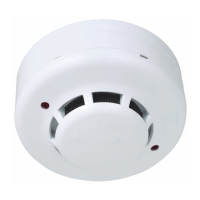
Provides a general overview of the photoelectric smoke alarm, its effectiveness, and compliance with standards.
Details the DC and AC power requirements, static and alarm currents, low voltage alarm, alarm volume, and working temperature.
Recommends optimal placement locations for smoke alarms in bedrooms, stairways, floors, and near electrical facilities.
Advises against installing smoke alarms near combustion sources, steam, dust, drafts, or specific electrical interference.
Provides step-by-step instructions for mounting the smoke alarm, including tools and battery installation procedures.
Explains the weekly testing procedure for the smoke alarm, including how to interpret signals and what to do if it fails to alarm.
Outlines essential maintenance tasks like cleaning, testing frequency, and recommended battery types for optimal performance.
Details the inherent limitations of smoke alarms, emphasizing they are not foolproof and cannot prevent or extinguish fires.
Provides critical emergency instructions for actions to take during a fire, including calling emergency services and evacuation.
 General
| Power Source | 9V Battery |
|---|---|
| Sensor Type | Photoelectric |
| Operating Temperature | 0°C to 40°C |
| Weight | 150g |
| Alarm Volume | 85 dB at 3 meters |
| Humidity Range | 10% to 90% RH |

 To Next Page