EasyManua.ls Logo

LIGHTNING GPS OBD - User Manual

LIGHTNING GPS OBD
2 pages
Print Icon
To Next Page IconTo Next Page
Loading...
www.LightningGPS.com
OBD Car Tracker
Quick Start Guide
1 | Plug in the OBD Car Tracker
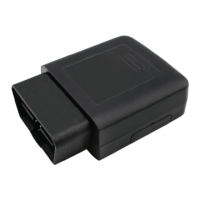
Locate the OBD-II port on your vehicle. Normally it will be
located below the dashboard on the driver’s side of the
car. Plug the OBD Car Tracker into the port.
If you are having trouble locating the OBD-II port please
consult your vehicle’s owner manual.
2 | Test Drive
After plugging in the tracker, take the vehicle for a 20-30
minute test drive so that the OBD Car Tracker can
establish a GPS connection.
3 | Log In
Check your email account for an email with the subject
Important: Your Password for GPS Loginto find your
login information. Please Note: Both the username and
password are case-sensitive.
Using a web browser visit track.lightninggps.com OR
open the Lightning GPS App on your mobile device.
4 | View Tracking
Once you login you will be able to see the tracking reports
from your test drive.
You are now ready to begin tracking!
Get the most out of your OBD Car tracker by customizing
your account with Geofences and Alerts.
track.lightninggps.com
Question and Answer IconNeed help?

Do you have a question about the LIGHTNING GPS OBD and is the answer not in the manual?

Summary

Plug in the OBD Car Tracker

Test Drive for GPS Connection

Log In to Your Account

View Tracking Reports

Frequently Asked Questions

Login Issues and Password Recovery

Troubleshoot login problems and recover forgotten usernames or passwords via email.

Mobile Tracking Setup

Download the Lightning GPS app for iPhone and Android to track on mobile devices.

Device Not Appearing on Map

Troubleshoot why your device might not be showing on the map and check LED indicators.

Support and Additional Help

Overview

This document serves as a Quick Start Guide for the LIGHTNING GPS OBD Car Tracker, providing instructions for initial setup, login, and basic troubleshooting.

Function Description

The LIGHTNING GPS OBD Car Tracker is a device designed to provide real-time GPS tracking for vehicles. It plugs into the vehicle's On-Board Diagnostics II (OBD-II) port, drawing power and potentially accessing vehicle data for tracking purposes. Once connected and configured, it allows users to monitor their vehicle's location and movement via a web browser or a dedicated mobile application. The primary function is to enable users to view tracking reports and customize their account with features like Geofences and Alerts, enhancing vehicle monitoring and security.

Important Technical Specifications

While specific technical specifications like dimensions, weight, or internal components are not detailed in this guide, the core functionality relies on:

  • GPS Connectivity: The device establishes a GPS connection to determine its location. This process requires a clear line of sight to GPS satellites, meaning obstructions like indoor parking or dense foliage can interfere with signal acquisition.
  • Cellular Network Connectivity: The tracker utilizes a cellular network to transmit location data to the user's tracking platform. The presence of a blinking blue LED indicates the device is searching for or connected to a cellular network.
  • OBD-II Port Compatibility: The device is designed to plug directly into a standard OBD-II port, which is typically found below the dashboard on the driver's side of most modern vehicles.
  • LED Indicators: The device features LED lights (Green and Blue) to indicate its operational status.
    • Green Light: Indicates GPS signal status. A solid green light for about 1 minute, followed by blinking every second, suggests a healthy GPS connection. If it doesn't blink after a minute, it indicates trouble establishing a GPS signal.
    • Blue Light: Indicates cellular network status. A blue light blinking every 3 seconds suggests a healthy cellular network connection. Rapid blinking every second indicates the device is actively searching for a cellular network.
  • Software Platform: The tracking data is accessible via a web-based platform (track.lightninggps.com) and dedicated mobile applications for both iOS (App Store) and Android (Google Play Store) devices.

Usage Features

The LIGHTNING GPS OBD Car Tracker offers several user-friendly features:

  • Easy Installation: Simply locate the OBD-II port in your vehicle and plug in the tracker. No complex wiring or professional installation is required.
  • Quick Setup: After plugging in, a 20-30 minute test drive is recommended to allow the device to establish a GPS connection and begin tracking.
  • Multi-Platform Access: Users can access tracking reports and manage their account from any web browser or through the dedicated Lightning GPS mobile app on their smartphone or tablet.
  • Secure Login: Access to tracking data is protected by a username and password, which are provided via email upon order. The system includes a "Forgot Password" feature for account recovery.
  • Real-time Tracking: Once logged in, users can view tracking reports from their test drive and subsequent vehicle movements.
  • Customizable Alerts and Geofences: Users can enhance their tracking experience by setting up Geofences (virtual boundaries) and various Alerts, which can notify them of specific events, such as a vehicle entering or exiting a defined area.
  • Troubleshooting Guidance: The guide provides clear instructions for diagnosing common issues, such as problems with GPS signal acquisition or cellular network connectivity, using the device's LED indicators.

Maintenance Features

While the device itself requires minimal physical maintenance, the system offers features to ensure continuous operation and user support:

  • Self-Diagnosis through LED Indicators: The Green and Blue LED lights serve as primary diagnostic tools, allowing users to quickly identify if the device is having trouble with GPS signal or cellular network connectivity. This helps in troubleshooting without needing specialized equipment.
  • Troubleshooting Steps: The guide outlines specific actions to take if the device is not tracking, such as re-plugging the device, moving the vehicle to a different location to improve signal, or performing another test drive.
  • Password Recovery: The "Forgot Password" feature on the login page allows users to reset their password and regain access to their account, ensuring uninterrupted access to tracking data.
  • Dedicated Customer Support: For issues that cannot be resolved through the provided troubleshooting steps, users are directed to contact technical support via email (support@lightninggps.com) or visit the customer support portal (www.lightninggps.com/customer-support). This ensures that users have access to expert assistance when needed.
  • Software Updates (Implied): While not explicitly stated, mobile applications and web platforms typically receive updates to improve performance, add features, and resolve bugs, contributing to the long-term usability and maintenance of the tracking system.
  • No Battery Maintenance: Since the device draws power directly from the vehicle's OBD-II port, there is no need for battery charging or replacement, simplifying maintenance for the end-user.

LIGHTNING GPS OBD Specifications

General IconGeneral
BrandLIGHTNING GPS
ModelOBD
CategoryGPS
LanguageEnglish