Need help?
Do you have a question about the LincPlus P1 and is the answer not in the manual?
This guide introduces installing SSD and starting Windows 10 from it.
Specifies compatible SSD types: M.2 2280, B+M key, SATA interface.
Find and remove the SSD cover by twisting the screw on the laptop's back.
Insert the SSD into its designated slot and secure it with a screw.
Turn on the laptop after completing the SSD assembly process.
Access Disk Management by right-clicking the Windows icon in the taskbar.
Initialize the disk by clicking 'OK' on the prompt after accessing Disk Management.
Create a new simple volume on the unallocated disk space.
Complete the new simple volume creation by proceeding through the wizard.
Verify the newly installed SSD is accessible in 'This PC'.
Navigate to the Settings app from the Start menu.
Select the 'System' option within the Windows Settings.
Access storage settings and select the option to change default save locations.
Select the SSD as the default save location for new apps and files.
Confirm that the SSD installation process was completed correctly.
Prepare an 8GB or larger USB flash drive for OS migration.
Format the prepared USB flash drive before proceeding with OS migration.
Format the USB drive with NTFS file system and label it 'WINPE'.
Download the appropriate OS package version for your region.
Extract downloaded OS files to the root of the USB flash drive.
Insert USB, then press Fn+F7 during boot to access boot options.
Select the USB flash drive from the boot device menu and press Enter.
The operating system is automatically installing onto the SSD.
Press any key after OS installation to reboot the laptop.
Press Fn+F7 during boot and select the SSD's Windows Boot Manager.
The first boot takes ~10 minutes, leading to the Out-of-Box Experience wizard.
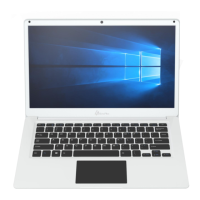
The LincPlus P1 is a portable and powerful laptop designed for young users, offering a seamless computing experience. This guide focuses on enhancing the device's performance and storage capabilities through the installation of a Solid State Drive (SSD) and optimizing its operation by configuring Windows to boot from the newly installed SSD. The LincPlus P1 aims to provide users with a faster and more efficient system, making it suitable for various tasks, from everyday productivity to entertainment.
The LincPlus P1, at its core, functions as a portable computing device capable of running the Windows 10 operating system. Its primary purpose is to provide users with a versatile platform for work, study, and leisure. By integrating an SSD, the laptop's core functionality is significantly enhanced, particularly in terms of data access speed and overall system responsiveness. An SSD, unlike traditional hard disk drives (HDDs), uses flash memory to store data, resulting in much faster boot times, quicker application loading, and more efficient file transfers. This upgrade transforms the LincPlus P1 into a more agile and capable machine, reducing wait times and improving the user's workflow.
The guide details the process of installing an M.2 2280 B+M type SATA interface SSD, which is crucial for maximizing the laptop's potential. This type of SSD is specifically chosen for its compatibility with the LincPlus P1, ensuring a smooth integration and optimal performance. The installation process is designed to be straightforward, allowing users to upgrade their device with relative ease. Once the SSD is installed, the laptop's operating system can be migrated to it, enabling Windows 10 to boot directly from the SSD. This configuration drastically cuts down the time it takes for the laptop to start up and for applications to launch, providing a noticeably snappier user experience.
Beyond the hardware upgrade, the LincPlus P1, with its enhanced SSD, supports a wide range of software applications and multimedia content. Users can expect improved performance in tasks such as web browsing, document editing, streaming high-definition videos, and running various productivity tools. The increased speed and responsiveness contribute to a more fluid and enjoyable interaction with the device, making it a reliable companion for both academic and professional pursuits. The portable design further emphasizes its utility as a device that can be carried and used in diverse environments, from classrooms and offices to cafes and homes.
The LincPlus P1, especially after an SSD upgrade, offers several usage features that cater to a dynamic user base. The most prominent feature is the dramatic improvement in speed. With Windows 10 booting from an SSD, users will experience near-instantaneous startups, allowing them to get to work or entertainment much faster. Applications that previously took several seconds to load will now open in a fraction of the time, significantly enhancing productivity and reducing frustration. This speed is not just limited to booting and application launch; file operations, such as copying, moving, and saving large documents or media files, also become considerably quicker.
The guide also highlights the importance of configuring the file saving path to the SSD. This feature ensures that new documents, music, photos, videos, films, TV programs, and apps are saved directly to the faster storage medium. By default, many systems might save to slower internal storage, but by consciously directing new content to the SSD, users can maintain optimal performance and ensure that frequently accessed files benefit from the SSD's speed. This proactive management of storage helps in keeping the laptop operating smoothly over time, preventing slowdowns that can occur when the primary drive becomes cluttered or fragmented.
Another key usage feature is the ability to migrate the operating system to the SSD. This process, detailed in the guide, involves preparing a USB flash drive with the Windows OS package and then booting the laptop from this drive to install Windows onto the new SSD. This ensures that the entire system, including critical operating system files, benefits from the SSD's performance. The guide provides specific download links for English, German, and French versions of the OS package, making it accessible to a broader international audience. The step-by-step instructions for formatting the USB drive and selecting the correct boot device are crucial for a successful OS migration, empowering users to take full control of their laptop's performance.
The LincPlus P1's compatibility with a specific type of SSD (M.2 2280 B+M type SATA interface) is a critical usage feature. This ensures that users select the correct hardware for their upgrade, preventing compatibility issues and ensuring optimal performance. The guide even offers friendly tips, suggesting LincPlus' own SSD for better technical support and warranty service, which adds a layer of convenience and assurance for users. This guidance simplifies the upgrade process, making it less daunting for those who may not be highly technically inclined.
Maintaining the LincPlus P1, particularly after an SSD upgrade, involves several key practices outlined in the guide to ensure its longevity and sustained performance. One of the primary maintenance features is the proper installation of the SSD itself. The guide provides clear instructions on how to locate the SSD cover, insert the SSD into the slot, and secure it with a screw. This physical installation is the first step in maintenance, as a correctly installed SSD is less prone to physical damage or connectivity issues. The emphasis on shutting down the laptop before installation is a fundamental safety and maintenance practice, preventing potential hardware damage.
Post-installation, the guide details the software maintenance steps, starting with disk management. Users are instructed to initialize the new SSD through Windows' "Disk Management" tool and create a "New Simple Volume." This process prepares the SSD for use by the operating system, ensuring it is recognized and formatted correctly. Proper initialization and partitioning are vital for the SSD's functionality and prevent data corruption or accessibility issues. The guide's clear visual aids and step-by-step instructions make this technical process manageable for users.
Another crucial maintenance feature is the recommendation to change the default file saving paths to the SSD. By directing new content (apps, documents, music, photos, videos, etc.) to the faster SSD, users can prevent the slower internal storage from becoming a bottleneck. This practice not only optimizes performance but also helps in managing storage space more effectively across both drives. Regularly reviewing and adjusting these settings ensures that the system continues to operate at its peak efficiency, avoiding slowdowns caused by inefficient data storage.
The guide also provides comprehensive instructions for migrating the Windows operating system to the SSD. This involves formatting a USB flash drive with specific settings (NTFS file system and "WINPE" label) and then using it to install the OS onto the SSD. This process is a critical maintenance step for ensuring that the primary operating system benefits from the SSD's speed. The strict adherence to the formatting instructions, such as using the "WINPE" label, is highlighted as essential for the SSD to recognize the USB flash drive, underscoring the importance of precision in these maintenance tasks.
Furthermore, the guide addresses potential troubleshooting scenarios, such as when the SSD is not found after installation. It suggests checking for incorrect SSD type or compatibility issues, offering practical advice for users to diagnose and resolve problems. This proactive troubleshooting information is invaluable for maintaining the device, as it empowers users to identify and correct common errors without needing immediate professional assistance. The provision of a support email (Info@lincplus.com.cn) further reinforces the maintenance support available to users, ensuring that help is at hand if complex issues arise.
Finally, the process of booting from the new SSD, by pressing "FN+F7" and selecting the "Windows Boot Manager" of the SSD, is a key operational maintenance step. This ensures that the laptop consistently utilizes the faster SSD for its primary operations. The guide's detailed instructions for navigating the boot menu and the subsequent Out-of-Box Experience (OOBE) wizard ensure a smooth transition to the newly configured system. By following these maintenance guidelines, users can significantly extend the life and optimize the performance of their LincPlus P1 laptop.
 General
| Display Resolution | 1920 x 1080 pixels |
|---|---|
| Storage | 64GB eMMC |
| Operating System | Windows 10 Home |
| Battery Life | Up to 8 hours |
| RAM | 4GB |
| Weight | 1.3 kg |
| Ports | 2 x USB 3.0, 1 x HDMI |
| Wireless | Bluetooth 4.0 |
| Display Size | 14 inch |

 To Next Page