Page 5
● Ensure the operator understands and follows the instructions in operator
handbook.
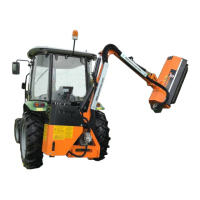
● Ensure the tractor front, rear and side(s) are fitted with metal mesh or
polycarbonate guards of suitable size and strength to protect the operator against
thrown debris or parts.
● Ensure tractor guards are fitted correctly, are undamaged and kept properly
maintained.
● Ensure that all machine guards are in position, are undamaged, and are kept
maintained in accordance with the manufacturer’s recommendations.
● Ensure flails and their fixings are of a type recommended by the manufacturer,
are securely attached and that none are missing or damaged.
● Ensure hydraulic pipes are carefully and correctly routed to avoid damage by
chaffing, stretching or pinching and that they are held in place with the correct fittings.
● Always follow the manufacturer’s instructions for attachment and removal of the
machine from the tractor.
● Check that the machine fittings and couplings are in good condition.
● Ensure the tractor meets the minimum weight recommendations of the machine
manufacturer and that ballast is used as necessary.
● Always inspect the work area thoroughly before starting to note obstacles and
remove wire, bottles, cans and other debris.
● Use clear suitably sized warning signs to alert others to the nature of the
machine working within that area. Signs should be placed at both ends of the work
site. (It is recommended that signs used are of a size and type specified by the
Department of Transport and positioned in accordance with their and the Local
Highways Authority guidelines).
● Ensure the operator is protected from noise. Ear defenders should be worn and
tractor cab doors and windows must be kept closed. Machine controls should be
routed through proprietary openings in the cab to enable all windows to be shut fully.
● Always work at a safe speed taking account of the conditions i.e.: terrain,
highway proximity and obstacles around and above the machine.


 To Next Page
 Loading...