The Research
Dr. Nils Bergman's comprehensive
research
promotes the concept of bringing the mother and
baby together as almost a single entity. His studies
revealed that babies have a biological need for skin-
to-skin contact, and that a mother’s body responds
to this need.
Dr. Bergman’s research concludes:
A mother’s chest temperature changes to meet her
baby’s needs, rising if baby is cold and decreasing
if baby becomes too warm. The mother’s chest
responds through biofeedback, doing a superior job
when compared to a traditional incubator.
A baby’s stress hormones, blood pressure,
oxygenation, temperature and heart rate stabilize
with skin-to-skin contact. These ndings are
changing hospital practices for the better. Babies are
more likely to be left on their mothers for at least an
hour after birth in order to stabilize vital signs. This
is also true before and after any invasive procedure
such as drawing blood.
A baby that experiences skin-to-skin
contact is
more likely to breastfeed without problems.
The closeness elicits maternal caregiving and
protective behaviors.
Skin-to-Skin:
The Overall Results
According to Dr. Sears and many other
pediatric experts, skin-to-skin care and babywearing
are proven to:
• Reduce Crying
• Increase Baby’s Weight
• Help Prevent Colic
• Increase Baby’s Overall Health
• Boost Milk Production
• Improve Baby’s Sleep Time
and Quality
• Lower Baby’s (& Mother’s)
Stress Hormones
1
Importance
Touch
1 Lawrence, Ruth and Robert Lawrence, Breastfeeding:
A Guide for the Medical Profession, 1999
2 Sears, William, M.D., The Attachment Parenting Book, 2001
Skin-to-skin contact is used to
promote parent/infant bonding,
especially for premature babies.
It is the practice of holding an
infant dressed only in a diaper
between a mother’s bare breasts
or on father’s chest. Through
contact with parents' skin, babies
remain warm and experience
more interaction.
Skin-to-Skin & Breastfeeding
Mothers who practice skin-to-skin care with their
infants breastfeed longer and more frequently.
Babies have better weight gain and are discharged
from the hospital earlier. Mothers also report greater
condence in caring for their infants.
2
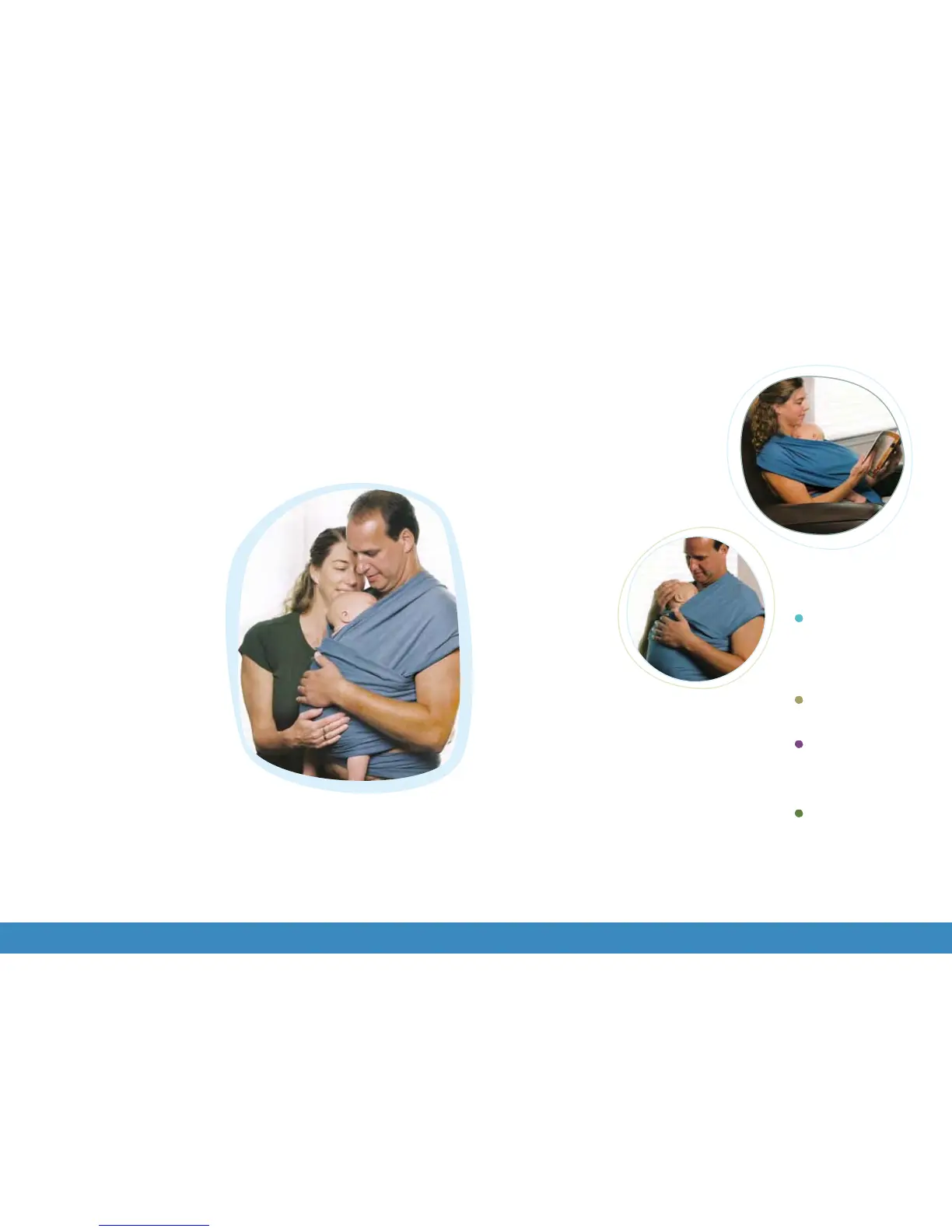
Dads Too!
Fathers who practice
skin-to-skin care with their
babies feel an incredible
bond. This is highly
preferable to having dad
involved by bottle feeding,
which can have the adverse
eect of decreasing the
mother’s milk supply,
leading to early weaning.
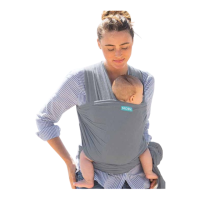
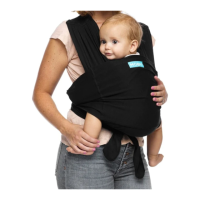
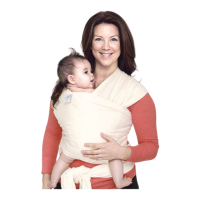
Skin-to-Skin Care in the Moby Wrap
of
There is no fabric
separating the parent
from the baby, so
parents can practice
skin-to-skin for several
hours a day with ease.
The Moby Wrap is wide
enough to keep the parent
covered and warm.
This is a wonderfully
rewarding way for
parents and caregivers
to bond with their
babies!
It may take a few tries to
feel condent with the
wrapping process.
Read Practice Makes
Perfect on page 40 for
more helpful hints.
Discover Moby
37
Moby® Wrap
38
The Comfortable Baby Carrier


 To Next Page
 Loading...