Need help?
Do you have a question about the Nice EPMORB and is the answer not in the manual?
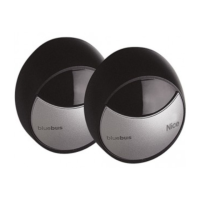
The Nice EPMORB / EPMORB/A is a reflective photocell system designed for presence detection in automated gate and door systems. It consists of a receiver-transmitter element (photocell) and a reflector, working together to detect obstacles along the optical axis between them. This device is categorized as a Type D presence sensor according to EN 12453 and is part of the Era-EP series, intended for use with various automation systems for doors, gates, and garage doors. Any use outside of this specified purpose is considered improper and prohibited.
The EPMORB / EPMORB/A utilizes "BlueBus" technology, which simplifies connection and communication between the photocells and the control unit (or interface) using only two electrical wires. The connection is made in parallel, and each photocell is assigned a specific function within the automation system by inserting a few jumpers. This technology allows for efficient integration into existing Nice automation systems. The product can also be used in conjunction with "FT210B" series devices, which are also equipped with "BlueBus" technology, to resolve electrical connection issues with sensitive edges on moving door leaves. For the US market, the EPMORB reflective photocell serves as an external entrapment protection device (Type B1 non-contact sensor), compliant with UL 325 requirements, designed to protect individuals from accidental injury by moving gates or doors by disabling the gate's movement.
The photocells are designed for outdoor use, protected against rain and dust infiltrations, but are not suitable for particularly salty, acidic, or potentially explosive atmospheres. Installation in areas subject to flooding or water stagnation should be avoided. Power cables must enter the photocell through the designated holes in the lower section of its support, inserted from below to prevent water penetration.
The device's proper functioning can be influenced by several factors, including the position of the devices, their proximity to systems lacking interference suppressors, and interference from other similar devices during adverse weather conditions. It is crucial not to install the device too close to the ground or near large metal objects.
The photocells are not primary safety devices but auxiliary safety devices. While built for maximum reliability, they may malfunction or fail in extreme conditions, and this may not be immediately evident. Therefore, it is recommended to observe the following precautions:
Regular maintenance of the photocells is recommended at least every 6 months. The procedure involves:
 General
| Brand | Nice |
|---|---|
| Model | EPMORB |
| Category | Security Sensors |
| Language | English |

 To Next Page