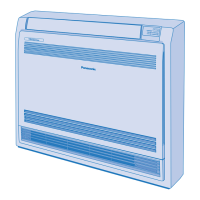
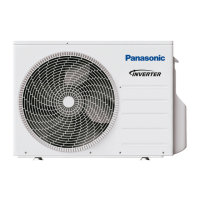
Why does the indoor fan stop sometimes on my Panasonic Air Conditioner?
- HHeather StevensonSep 12, 2025
The indoor fan on your Panasonic Air Conditioner stops occasionally during automatic fan speed setting to help remove surrounding odors.
Why does the indoor fan stop sometimes on my Panasonic Air Conditioner?
The indoor fan on your Panasonic Air Conditioner stops occasionally during automatic fan speed setting to help remove surrounding odors.
What to do if my Panasonic Air Conditioner unit does not work?
If your Panasonic Air Conditioner unit isn't working, check if the circuit breaker is tripped and check if timers have been set.
How to improve heating/cooling efficiency of my Panasonic Air Conditioner?
To improve the heating/cooling efficiency of your Panasonic Air Conditioner, you can try the following: Ensure the temperature is set correctly, close all doors and windows, clean or replace the filters, and clear any obstructions at the air inlet and outlet vents.
What to do if Patrol sensor or e-ion indicator on the indoor unit is blinking on my Panasonic Air Conditioner?
To resolve this, stop the Patrol or e-ion operation and then restart it. If the patrol sensor or e-ion indicator continues to blink, please consult an authorized dealer.
Why does the indoor fan stop occasionally during heating operation of my Panasonic CU-2E15LBE?
The indoor fan stops occasionally during heating operation of your Panasonic Air Conditioner to avoid unintended cooling effect.
Why does my Panasonic CU-2E15LBE make a cracking sound during operation?
The cracking sound during operation of your Panasonic Air Conditioner is due to changes in temperature causing the expansion and contraction of the unit.
What does outdoor heat exchanger temperature sensor 1 abnormality mean for Panasonic Air Conditioner?
If your Panasonic Air Conditioner indicates an outdoor heat exchanger temperature sensor 1 abnormality, it means that the outdoor heat exchanger temperature sensor 1 is open or short circuit.
What does outdoor air temperature sensor abnormality mean for Panasonic CU-2E15LBE Air Conditioner?
If your Panasonic Air Conditioner indicates an outdoor air temperature sensor abnormality, it means that the outdoor air temperature sensor is open or short circuit.
Why does my Panasonic CU-2E15LBE make a water flowing sound during operation?
The water flowing sound you hear during the operation of your Panasonic Air Conditioner is due to refrigerant flow inside the unit.
What to do if my Panasonic CU-2E15LBE has compressor discharge pressure overshoot protection?
If your Panasonic Air Conditioner is experiencing compressor discharge pressure overshoot protection, check the refrigeration system.
Explains the concept of multi air conditioner systems connecting multiple indoor units to a single outdoor unit.
Describes the operation of indoor units, individual/simultaneous use, and mode priority.
Details the operating temperature ranges (cooling and heating) for specific single split outdoor unit models.
Details the operating temperature ranges (cooling and heating) for specific multi split outdoor unit models.
Covers warnings and precautions related to the indoor and outdoor units of the air conditioner.
Advises on safety precautions when handling the remote control, especially concerning children.
Details safety measures related to the power supply cord and outlet to prevent hazards.
Explains how to use the power button and adjust temperature settings.
Describes how to select operation modes like AUTO, HEAT, COOL, and DRY.
Details how to adjust fan speed and control airflow direction.
Explains the air swing function for ventilation and airflow direction in different modes.
Describes the NANOE-G function for removing harmful micro-organisms and purifying the air.
Explains how the unit helps to reduce air dryness and improve humidity during cooling.
Details how to select POWERFUL mode for quick adjustments or QUIET mode for reduced noise.
Explains sensor features for optimizing energy saving and comfort.
Provides instructions on setting ON and OFF timers for automatic operation.
Provides instructions on how to clean the indoor unit using appropriate cleaning agents.
Details the steps for removing and reattaching the front panel for cleaning or access.
Identifies and describes the function of key sensors like human activity and sunlight sensors.
Explains the importance and procedure for cleaning and replacing air filters.
Provides guidance on cleaning the nanoe-G generator.
Lists common symptoms that do not necessarily mean the unit is malfunctioning.
Provides a checklist of common issues to verify before contacting a service technician.
Guides on how to retrieve error codes when the unit stops and the timer indicator blinks.
Provides guidance on checking the unit before and after periods of extended non-use.
Details the steps to take when the air conditioner is not going to be used for a long time.
Lists conditions under which the unit requires consultation with an authorized dealer.
Explains how to properly collect, dispose of, and recycle old equipment and used batteries.
Explains the concept of multi air conditioner systems connecting multiple indoor units to a single outdoor unit.
Describes the operation of indoor units, individual/simultaneous use, and mode priority.
Details the operating temperature ranges (cooling and heating) for specific single split outdoor unit models.
Details the operating temperature ranges (cooling and heating) for specific multi split outdoor unit models.
Covers warnings and precautions related to the indoor and outdoor units of the air conditioner.
Advises on safety precautions when handling the remote control, especially concerning children.
Details safety measures related to the power supply cord and outlet to prevent hazards.
Explains how to use the power button and adjust temperature settings.
Describes how to select operation modes like AUTO, HEAT, COOL, and DRY.
Details how to adjust fan speed and control airflow direction.
Explains the air swing function for ventilation and airflow direction in different modes.
Describes the NANOE-G function for removing harmful micro-organisms and purifying the air.
Explains how the unit helps to reduce air dryness and improve humidity during cooling.
Details how to select POWERFUL mode for quick adjustments or QUIET mode for reduced noise.
Explains sensor features for optimizing energy saving and comfort.
Provides instructions on setting ON and OFF timers for automatic operation.
Provides instructions on how to clean the indoor unit using appropriate cleaning agents.
Details the steps for removing and reattaching the front panel for cleaning or access.
Identifies and describes the function of key sensors like human activity and sunlight sensors.
Explains the importance and procedure for cleaning and replacing air filters.
Provides guidance on cleaning the nanoe-G generator.
Lists common symptoms that do not necessarily mean the unit is malfunctioning.
Provides a checklist of common issues to verify before contacting a service technician.
Guides on how to retrieve error codes when the unit stops and the timer indicator blinks.
Provides guidance on checking the unit before and after periods of extended non-use.
Details the steps to take when the air conditioner is not going to be used for a long time.
Lists conditions under which the unit requires consultation with an authorized dealer.
Explains how to properly collect, dispose of, and recycle old equipment and used batteries.
| Brand | Panasonic |
|---|---|
| Model | CU-2E15LBE |
| Category | Air Conditioner |
| Language | English |


Loading...