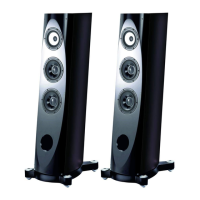
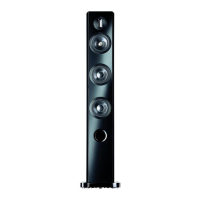
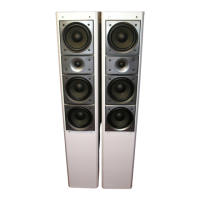
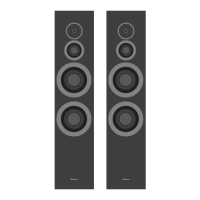
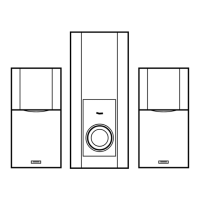
The Pioneer S-V7000 is a speaker system designed for high-quality audio reproduction, suitable for a range of applications from home stereo setups to musical instrument amplification. This operating guide provides essential information for proper use, connection, and maintenance to ensure optimal performance and longevity of the speaker system.
Function Description
The S-V7000 is a speaker system that connects to an amplifier to output sound. It is designed to extend the service area by allowing multiple speakers to be connected to each amplifier channel. The system is equipped with various input terminals for flexible connection options.
Important Technical Specifications
- Enclosure Type: Phase inversion system, which enhances bass response by utilizing a port or vent to tune the enclosure.
- Configuration: 2-way 10 speakers. This indicates that the system uses two types of drivers (woofer and tweeter) and contains a total of ten individual speaker units.
- Woofer: 4 x 16 cm cone-type speakers. These larger drivers are responsible for reproducing low-frequency sounds (bass).
- Tweeter: 6 x 7.7 cm cone-type speakers. These smaller drivers handle high-frequency sounds (treble).
- Rated Impedance: 8 ohms. This is the nominal electrical resistance of the speaker system.
- Frequency Range: 35 – 20,000 Hz. This wide range indicates the speaker's ability to reproduce sounds from deep bass to crisp highs, covering most of the human hearing spectrum.
- Sensitivity: 97 dB/W (1 m). This high sensitivity rating means the speaker can produce a loud sound level with relatively little amplifier power, making it efficient.
- Allowable Input:
- Maximum Input: 800 W (EIAJ). This is the peak power the speaker can handle without damage, as measured by the Electronic Industries Association of Japan standard.
- Rated Input: 200 W (EIAJ). This is the continuous power the speaker can handle under normal operating conditions.
- External Dimensions: 508 (W) x 783 (H) x 483 (D) mm. These dimensions indicate a substantial size, suggesting a robust design for powerful sound output.
- Weight: 37.0 kg. The significant weight further emphasizes the robust construction and quality components.
- Accessories: Includes 1 Operating Guide.
Usage Features
Connecting to an Amplifier:
- Power Off: Always turn off the amplifier power switch before making any connections.
- Input Terminals: The S-V7000 features two types of input terminals: screw-type (compatible with banana plugs) and phone-jack terminals. All input terminals are connected in parallel, so only one type needs to be used for input.
- Speaker Cords: Speaker cords are used to connect the speaker system to the amplifier. The red input terminal is for the positive (+) cord wire, and the black one is for the negative (-) cord wire.
- Wire Preparation: Remove cable insulation to expose the wires and twist them together for a secure connection.
- Connection Confirmation: After connecting, ensure the cords are firmly attached. Loose connections can interrupt sound or cause noise.
- Safety Precautions:
- Avoid accidental contact of bare, unshielded wires, as this can cause excessive load on the amplifier and damage both the amplifier and speaker system.
- Ensure correct polarity (+ and -) for both left and right speakers. Incorrect polarity can result in insufficient bass and disable the normal stereo effect.
- Be mindful of synthetic impedance in parallel connections, as extremely low impedance can damage the amplifier.
- Musical Instrument Amplifiers: If using an amplifier with a phone jack as the output terminal (common for musical instruments), use a commercially available standard cord with a plug to connect the speaker system.
Multiple Speaker Connections:
The S-V7000 is designed to allow multiple speakers to be connected to each amplifier channel to extend the service area. The rated impedance of the S-V7000 is 8 ohms. When connecting multiple speakers, it's crucial to follow the amplifier's operating guide to prevent low synthetic impedance on any channel, which can damage the amplifier.
- Connecting Two Speakers to Each Channel: When connecting two S-V7000 speakers to a single amplifier channel, the synthetic impedance becomes 4 ohms. The manual provides a diagram illustrating the correct serial connection for this setup.
- Connecting Four Speakers to Each Channel: For a four-speaker setup per channel, the synthetic impedance will be 2.7 ohms or less. This configuration requires careful attention to avoid amplifier damage due to extremely low impedance. The manual provides a diagram for a serial-parallel connection.
Installation Precautions:
- Microphone Placement: Placing a microphone too close to the front of the speaker can cause howling and damage the speaker. Position the speaker to prevent its sound from directly entering the microphone.
- Environmental Factors: Avoid direct sunlight or proximity to heaters, as this can damage the speaker or discolor its cabinet.
- Adhesive Tape: Do not stick adhesive tape directly to the cabinet, as it can damage the coated surface.
Suspended Installation (from the Ceiling):
- Professional Installation: Improper suspended installation is highly dangerous and can cause injury if the speakers fall. Pioneer strongly recommends having a specialist assemble and install the speaker system.
- Ceiling Strength: Before installation, carefully check that the ceiling has sufficient strength to support the speaker system's weight. Pioneer is not liable for any accidents resulting from insufficient installation strength or improper installation.
- Liability: Pioneer is not liable for any accidents or damage caused by improper assembly, installation, insufficient installation strength, remodeling, incorrect use, or natural calamities.
General Usage Guidelines:
- Rated Impedance: The rated impedance of this speaker system is 8 ohms. Connect it to a stereo amplifier with a load impedance of 4 to 16 ohms (as indicated on the amplifier's speaker output terminals).
- Input Limits: Do not input beyond the allowable limits to prevent damage.
- Power Off for Connections: Always turn off the amplifier power before connecting or disconnecting cords.
- Graphic Equalizer: Do not turn up the volume when increasing treble with a graphic equalizer, as this can lead to excessive input and potential damage.
Maintenance Features
Care of the Speaker Cabinet:
- Light Cleaning: For light dust or dirt, use a polishing cloth or a dry wiping cloth.
- Heavy Cleaning: If the cabinet is very dirty, use a soft cloth moistened with a neutral detergent diluted five times with water. Afterward, wipe off any surface moisture with a dry cloth.
- Avoid Harsh Cleaners: Do not use furniture wax or cleaners that may dissolve or discolor the cabinet surface.
- Chemical Solvents: Note that paint thinner, benzine, or insecticide spray can dissolve or discolor the surface.
- Chemically Treated Dustcloths: If using a chemically treated dustcloth, carefully follow the instructions provided with the dustcloth.

 Need help?
 General

 To Next Page