This document describes the POWERTMAT PM-GGS-520M combustion glazing machine, also referred to as a tiller or rotary cultivator, designed for work in home gardens and plots. It is not suitable for professional use in agriculture.
Function Description
The PM-GGS-520M is a manual agricultural machine designed for one-man operation. Its primary function is soil cultivation. The working unit consists of arched or hooked knives mounted on a rotary shaft, which cut out billets of soil. The soil loosening intensity can be adjusted by varying the rotational speed of the roller and the translational speed according to the required depth of cultivation. Rapid rotation of the shaft can cause destruction of the lumpy structure of the soil. The device is intended for loosening and cultivating soil, preparing seedbeds, and mixing fertilizers or compost into the soil.
Important Technical Specifications
- Model: PM-GGS-520M
- Engine capacity: 52 cm³
- Engine speed: 6500 rpm
- Motor rated parameters: 3.8kW / 5.2KM (horsepower)
- Fuel tank capacity: 1.2L
- Working width: 340mm
- Depth of work: 130mm
- Racing: Forward
- Starter: Manual starter
- Sound pressure level LWA: 93 dB (A)
- Vibration level: (Not specified, indicated by '?')
- Net weight: 17kg
The engine uses a two-stroke fuel mixture, specifically gasoline and 2-stroke grease (oil) in a ratio of 25:1 for engine break-in, and 40:1 after the break-in period for daily work.
Usage Features
Safety:
Operating the device requires adherence to strict safety guidelines. Users must read the instruction manual carefully before starting work.
- Bystander Safety: Maintain a safe distance from bystanders during operation.
- Rotating Parts: Do not place hands or feet near knives or other rotating parts.
- Personal Protective Equipment: Wear headphones and safety goggles.
- Covers and Safety Elements: All covers and safety elements must be absolutely installed during operation.
- Age Restriction: The device may not be used by children and adolescents under 18 years of age, or by people under the influence of alcohol, drugs, or other intoxicants.
- Physical Condition: Use the mower only when you are rested, sick, or under the influence of alcohol, medicines, or other intoxicants.
- Clothing: Wear appropriate protective attendant clothing and footwear.
- Damaged Parts: Do not use the mower with damaged guards or casing, or without properly mounted safety devices, e.g., grass or container covers.
- Fuel Handling: Refuel outdoors before starting the engine. Do not smoke or refuel near open flame sources. Wipe off any fuel spills. Fuel transfer should only be done in sealed containers.
- Engine Stop: Always stop the engine and wait for the blade to stop if the mower is passing over unevenness (edges, curbs, or other) and when moving the mower on surfaces other than the lawn, e.g., when reaching the work site and back.
- Slope Operation: Do not cultivate slopes that are too sloping (max. 15-degree slope). Be especially careful when reversing.
- Knife Condition: Replace a worn or damaged knife with a new one immediately.
- Engine Adjustment: Do not change the engine regulation or exceed the specified engine speed.
- Starting: Never start the engine when anyone is in front of the ejection handle, grass, or when there are bystanders in the vicinity of the device.
Operation:
- Mounting the Upper Handle: The upper part of the handle should be screwed to the lower part with two mounting screws.
- Gas Throttle Installation: The carburetor lever should be connected to the handle using a cable tie and attached to the handle using straps.
- Switch Installation: The switch and throttle cable should be installed in the right handle.
- Fuel Preparation: Use a mixture of two-stroke engine oil and gasoline. Avoid gasoline that contains ethanol or methanol (types of alcohols). This will help avoid possible damage to the motor cables and other parts. Do not mix gasoline and oil directly in the machine's fuel tank.
- Fuel Quality: Use 95 octane gasoline of good quality.
- Fuel Storage: Store fuel in a clean, safe, certified tank. Check the fuel tank regularly.
- Starting the Engine (Cold Start):
- Gently push the pump primer several times (7-10 times) until the fuel reaches the primer.
- Winter start: Pull the jack until the gland is closed.
- Pull the starter handle until the engine flashes.
- Pull the center jack (excessive movement of the throttle jack will flood the engine or make starting difficult).
- Pull on the starter handle until the engine starts.
- Let the engine warm up for a few minutes before starting work.
- Starting a Warm Engine: If the fuel tank has not dried, pull the start one to three times until the engine starts.
- Engine Stop: To stop the engine, place the throttle control in the closed position and press the stop button. Avoid contact with moving parts of the rotary tiller until it stops.
Maintenance Features
General Maintenance:
The device may only be repaired and maintained at an authorized service center.
- Air Filter: Check and clean the air filter regularly.
- Spark Plug: Check and replace the spark plug as needed.
- Depth Adjustment Lever: Check the position of the depth adjustment lever.
- Fuel Leaks: Look carefully at the device from all sides and underneath for fuel leaks.
- Fuel Lines: Check that the fuel lines are firmly seated and not leaking.
- Engine Damage: Check for any signs of engine damage.
- Muffler and Starter: Clean all dirt around the muffler and starter.
K Tiller Conservation:
- Grease: The device is delivered with the right amount of grease in the gearbox. It is recommended that checking the lubricant level once a month. DO NOT add too much grease.
- Screws and Nuts: Make sure that all screws, nuts, and bolts are always tight.
K Engine Conservation:
Perform engine maintenance in accordance with the instructions in the engine manual.
S Long-Term Storage:
If you will not be using the rotary tiller for more than one month, prepare it for long-term storage.
- Allow the running engine to draw (burn) fuel from the tank and carburetor until the end of immobilization.
- Unscrew the spark plug, pour some oil into the cylinder, screw the plug back in, ignition, turn the crankshaft so that the oil is evenly distributed inside the cylinder.
- Pull the starter rope slowly until you feel resistance, tie a knot to lock the rope, close the air valve so that no dirt gets inside.
- Clean the tines of the tiller and the engine of any debris.
- Set the rotary tiller in a dry and cool place.
Typical Maintenance Actions:
| Element |
Action |
At each use |
First month / 20h |
First 3 months / 50h |
First 8 months / 100h |
Each year / 300h |
| Gear oil |
Check |
|
|
X |
|
|
|
Check |
X |
|
|
|
|
| Air filter |
Clear |
|
X |
|
|
|
|
Replace |
|
|
|
X |
|
| Spark plug |
Clear |
|
|
|
X |
|
|
Replace |
|
|
|
|
X |
| Candle cover |
Clear |
|
|
|
X |
|
| Carburetor |
Clear |
|
|
|
|
X |
| Tank and filter |
Clear |
|
|
|
|
X |
| fuel |
|
|
|
|
|
|
| Fuel line |
Check and clean |
|
|
|
|
X |
Disposal of Used Devices:
After the end of its useful life, this product must not be disposed of via normal household waste. It should be returned to the collection and recycling point for electrical and electronic equipment. This symbol indicates that the product, instruction manual, or packaging should be recycled. By reusing, using materials, or other forms of using used devices, you make a significant contribution to protecting our environment.
For EU countries, in accordance with European Directive 2012/19/EU, unusable power tools, and in accordance with European Directive 2006/66/EC damaged or worn out batteries/batteries should be collected separately and recycled in accordance with environmental protection principles. The manufacturer is active under the BDO registration number: 000063719.
Each store is obliged to take back old equipment free of charge if you buy new equipment of the same type and having the same function. You can leave your used equipment in the store where you bought a new device.
Stores with a surface for household equipment sales of min. 400 m² are obliged to accept, free of charge, in this unit or in its immediate vicinity used equipment from households, whose external dimensions do not exceed 25 cm, without the need to purchase new equipment intended for households. You can leave small-sized used equipment in a large market without having to buy a new one.
The distributor, by providing the buyer with equipment intended for households, is obliged to take back free used equipment from households at the place of delivery of this equipment, provided that the waste equipment is of the same type and has the same functions as the equipment supplied. When placing an order through the official website of the manufacturer, simply inform us by entering your comment in the field "Comments to order". In this way, waste electrical and electronic equipment can be returned to the place of delivery. You can also refer the old device to a collection point.
For more information on storage points for used equipment, please visit: https://sklep.powermat.pl/webpage/pl/recycling.html

 Need help?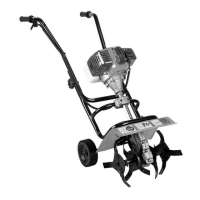

 To Next Page
 General