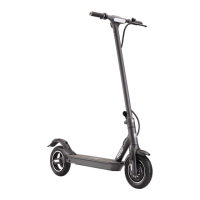
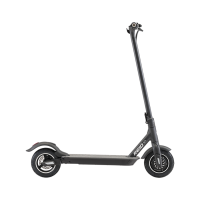
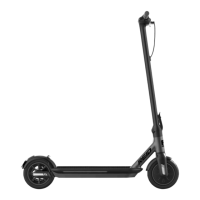
The document describes the Reid Era 500W Electric Scooter, an entertainment tool designed for personal mobility. It emphasizes safe operation, maintenance, and community engagement.
Function Description
The Reid Era eScooter is a personal electric scooter designed for urban and recreational use. Its primary function is to provide an eco-friendly and enjoyable mode of transport. The manual guides users through basic driving methods, safe driving principles, and maintenance to ensure a safe and enjoyable experience. It also highlights the importance of understanding health and safety recommendations.
Important Technical Specifications
The scooter has the following key specifications:
- Dimensions (LxWxH): 1180x530x1260mm
- Weight Capacity: 100kg
- Net Weight: 21kg
- Max Speed: 25km/h
- Range:
- 10.4Ah battery: 40km
- 15.6Ah battery: 60km
- Max Slope: 7°
- Road Conditions: Asphalt/flat roads, ramps less than 7°
- Working Temperature: -10°C to 40°C
- Storage Temperature: -20°C to 45°C
- Waterproof Level: IP54
- Nominal Voltage: 48V
- Max Charging Voltage: 54.6V
- Battery Capacity (Wh): 10400mAh/499Wh
- BMS (Battery Management System): Overcharge protection, overheat protection, overdischarge protection, short circuit protection, overcurrent protection.
- Motor Rated Power: 500W
- Motor Max Power: 720W
- Charger Rated Input Voltage: 100-240VAC/50-60Hz
- Charger Rated Output Voltage: 54.6V
- Charger Rated Current: 2A
- Charge Time: Approximately 5 hours
The display features include:
- Bluetooth display: Indicates connection to a mobile device.
- Light display: Headlight status.
- Cruise control: Indicates cruise control status.
- Lock: Scooter locked status.
- Modes: Three modes available (ECO for energy saving, D for standard, S for sport).
- Speedometer: Shows current speed in mph/km/h.
- Battery level: Five bars, each representing 20% of full capacity.
- Mileometer: Total mileage.
Usage Features
The manual provides detailed instructions for installation, folding, handling, and riding:
Installation:
- Unfolding: Involves pulling up the steering column, pressing a metal button, and pushing on the folding buckle.
- Stem Head Assembly: Attaching the stem head with screws and a wrench, ensuring they are tight for safety.
- Handlebar Grips: Fastening the bell to the left grip and installing left and right grips, ensuring they are tight.
- Switch Check: Verifying the switch is working.
- Brake Test: Testing the brake before each use.
Folding & Handling:
- Folding: Ensure the eScooter is off. Hold the steering column, open the folding buckle, press the metal button, and fold the steering column.
- Handling: Hold the middle part of the steering column to keep it balanced.
Learning to Ride:
- Safety Gear: Always wear a helmet and other protective gear.
- Initial Practice: Check the battery indicator, long-press the switch button for 3 seconds, and practice in an open area (≥4m*4m).
- Starting: Hold handlebars, slide backward with one foot, then place the other foot on the back deck to balance, and gently speed up with the regulator.
- Braking: Use brakes to slow down after steady driving.
Safety Instructions (Avoid Dangerous Use & Accidents):
- Age Restriction: Riders must be over 14 years old and able to confidently handle the scooter.
- Hands on Handles: Do not ride without both hands on the handles.
- Terrain: Avoid riding up/down stairs, jumping over obstacles, or riding in motor vehicle lanes/residential districts mixed with cars.
- Foot Placement: Do not put a single foot on the deck or on the ground while riding.
- Steering: Do not turn the handle substantially when riding.
- Passengers: Do not carry any passengers or children.
- Sudden Acceleration: Turn off power to prevent sudden acceleration.
- Downhill: Do not accelerate or stop abruptly downhill.
- Road Conditions: Slow down or get off if road conditions are bad; avoid obstacles.
- Weather: Do not ride in rain or on roads with more than 2cm of water; avoid icy conditions or temperatures below 0°C.
- Obstacles: Avoid hitting door frames, elevators, and tall obstacles.
- Heavy Objects: Do not hang heavy objects (e.g., backpacks) on the handlebar.
- General Precautions: Wear protective equipment, inspect the scooter before riding, avoid rapid acceleration/deceleration, keep low speed when the charge is low, focus on personal safety, use both hands, avoid high temperatures for storage, comply with local traffic laws, pay attention to surroundings, maintain safe distance from others, reduce speed in bad light, do not go backwards, do not lend to inexperienced riders, do not ride when unhealthy or under influence, do not lift from the tire, and avoid contact with the disc brake rotor when spinning.
Maintenance Features
Cleaning and Storage:
- Regular Cleaning: Clean the eScooter regularly with a damp cloth. Do not use high-pressure water guns, alcohol, gasoline, or corrosive chemical solvents.
- Drying: Dry in a ventilated place to prevent corrosion.
- Safety during Cleaning: Ensure the eScooter is shut down and the charging port cover is closed.
Battery Pack Maintenance:
- Read Instructions: Follow precautions on the battery label.
- Temperature: Store the battery pack at 0°C ~ 40°C. Avoid below -20°C or above 50°C.
- Performance: Battery range and performance degrade below 0°C.
- Dry Environment: Store in a dry, cool environment to prevent water damage.
- Charging: Avoid completely running out of batteries. Charge when the dashboard indicates 10%-20% remaining. Prolonged exhaustion affects capacity and life.
- Storage Drain: A fully charged eScooter drains storage capacity in 90-100 days; a nearly depleted battery drains in 10-20 days. Failure to charge in time can lead to irreversible damage.
- Professional Service: Non-professionals are prohibited from removing the battery pack due to safety risks.
Common Failures & Treatment Methods:
The manual provides a troubleshooting guide for common issues:
- No power output after startup: Check battery installation and charge the battery if insufficient voltage.
- Riding range decreases: Check for battery damage, worn tires, frequent braking, battery aging, or low environmental temperature. Solutions include replacing parts, developing good driving habits, and riding in room temperature.
- Battery not charging: Check if the charger is plugged in, if the battery temperature is too low or too hot. Solutions include checking the plug, waiting for the battery to reach the right temperature.
- Instrument no display: Check for power supply, damaged power converter, or dashboard malfunction. Solutions include checking battery connection, charging under negative pressure, or contacting after-sales service.
- Power supply and motor cannot start: Check if the brake is on or for dashboard key failure. Solutions include checking the brake and contacting after-sales service.
Environmental Pledge:
Reid is committed to sustainability:
- Recycling: Most packaging is recyclable, and users are encouraged to recycle all carton materials.
- Reuse: Packaging can be repurposed, e.g., bike carton as a pet bed or child's play item.
- Tree Planting: Reid pledges to plant a tree for every branded product sold, having planted over 200,000 trees. This initiative aims to offset carbon emissions and promote an eco-friendly lifestyle.
The document also encourages users to join the Reid community on social media platforms like Instagram, Facebook, TikTok, and YouTube for updates, adventure videos, maintenance guides, and community engagement.

 Need help?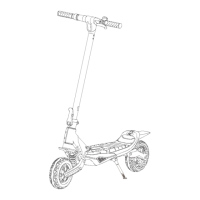

 To Next Page
 General