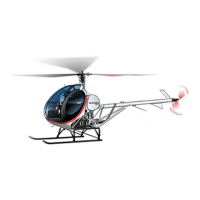
Normal Procedures
Pilot's Flight Manual
4-2 Reissued: 16 Jan 2019
4-2. PILOT’S PREFLIGHT INSPECTION
Visually check the following items for wear, general condition and
obvious damage. Damage is defined as any condition that is not
normal or not within limits. Examples of conditions to look for are:
inoperable equipment, excessive leakage, discoloration due to heat,
dents, cracks, punctures, abrasion, chaffing, galling, nicks and
evidence of corrosion. These are the most common types of
damage; however, do not limit inspection to the above conditions.
1. If discrepancies are noted perform further inspection prior to
flight.
2. Flight is prohibited when unrepaired damage exists which makes
the rotorcraft unairworthy.
WARNING
GROUND RES O NANCE MAY RE SULT IF HE LI -
COP TER IS OP ER ATED WHEN THE LANDING
GEAR DAMPERS ARE NOT IN GOOD OP ER -
ATING CON DI TION. (REFER TO BA SIC HMI,
SEC TION 12 FOR DE TAILED IN SPEC TIONS.)
EX TE RIOR
NOSE AREA
1. Aircraft tiedowns and covers REMOVED
2. Aircraft attitude for weak or damaged oleos CHECK
NOTE: With fuel tank full, ob serve stance of he li -
cop ter. Nor mal stance is slightly nose up.
3. Canopy for condition and cleanliness CHECK
4. Battery INSPECT
5. OAT thermometer sun shield NO OBSTRUCTIONS
6. Induction system and fairing NO OBSTRUCTIONS
SCHWEIZER
Model 269C-1 Helicopter
FAA Approved
CSP book 2..indd 76 8/4/19 12:53 PM



 To Next Page